Welcome to Our Travel Agency!




Travel Guide
Is outdoor team building in Henan suitable for employees with no hiking experience? Yes, when the outing is designed around manageable walking, shared activities, and flexible participation. A cultural visit with short outdoor walks can work well for beginners. A mountain route with long stair sections and a fixed finishing time may be unsuitable, even if it is advertised as sightseeing.
The decision depends less on whether people have hiked before than on what the day requires: how long they will be on their feet, what surfaces they will cross, and whether they can comfortably shorten the route. Henan offers opportunities to combine cultural exploration with outdoor interaction, but the destination name alone does not tell you how demanding an itinerary will be.
Start with everyday walking ability
“No hiking experience” covers very different situations. Someone who regularly walks for leisure may feel comfortable on a maintained trail. Someone who spends most of the day seated may find extended sightseeing tiring, especially when it includes steps, heat, or prolonged standing.
Before choosing a venue, collect practical information privately. Ask about comfortable walking duration, difficulty with stairs or uneven ground, and any access requirements that affect participation. People should be able to request an adjustment without sharing medical details with colleagues.
A useful question is: “Would you be comfortable walking outdoors at a relaxed pace, with breaks and some steps?” This produces more useful answers than asking whether everyone is “fit.” Explain the proposed conditions so responses reflect the actual outing.
Where someone has a health concern that could affect exertion, they should seek individual medical advice before committing to the walking element. Organizers can then plan around the participation needs communicated to them.
How to recognize a genuinely beginner-friendly route
A short route is not automatically easy. Repeated stairs can be more demanding than a longer level path, and a smooth outward walk can leave a difficult uphill return. Evaluate the whole journey, including the approach from the vehicle drop-off point and the walk back after activities.
Ask the provider to describe the proposed route in ordinary language: approximate walking time, stair sections, surfaces, rest locations, and the return arrangement. A description such as “easy mountain walk” leaves too much unexplained. A route outline showing where walking begins and where people can stop is more useful.
For groups with varied abilities, a shared base can simplify the day. Everyone joins the main activity, while an optional walking extension gives more energetic participants something extra to do. This works only when both options have suitable supervision and clear meeting arrangements.
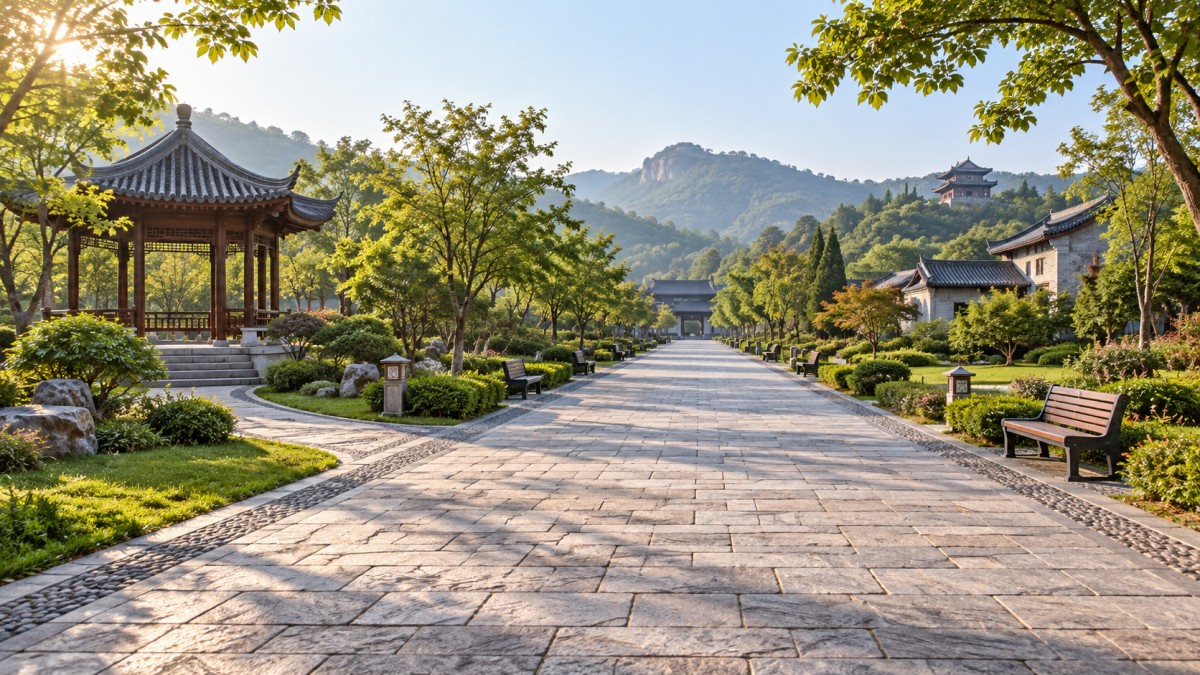
Choose the Henan experience before choosing the mountain
Henan’s cultural attractions can support an outdoor team day without making hiking the main event. A visit connected with Luoyang’s history, for example, can combine guided interpretation, observation tasks, and manageable walking. However, cultural sightseeing still involves physical effort: approaches, steps, queues, and standing time all count.
Longmen Grottoes may suit a culture-focused outing when the selected visiting route and pace match the group. The relevant question is which sections are included and how much movement they require. Trying to cover every available section can undermine an otherwise comfortable plan.
A Shaolin-themed visit can emphasize cultural interpretation and martial arts heritage. Adding a mountain walk changes the demands of the day, so the outdoor extension needs its own assessment. The temple visit and a nearby hiking route should not be treated as interchangeable activities.
Scenic destinations such as Mount Laojun and the southern Taihang Mountains require particular attention to the chosen route. Cable cars or vehicle transfers may reduce part of the climb, but they do not remove all walking, stairs, waiting, or exposure to weather. Descent can also be uncomfortable for people who struggle with steps.
If scenery is the main attraction, choose a manageable viewing experience and build the team activities around it. If the proposed route depends on every participant maintaining a demanding pace, select another route or a different setting.
Make cooperation the activity, rather than physical endurance
A beginner-friendly outing still needs a purpose beyond walking together. Small cooperative tasks give people reasons to communicate without requiring speed or strength. The strongest activities connect with the place and allow different contributions.
During a cultural visit, small groups might use information from a guide to create a short interpretation of something they have seen. On a gentle scenic walk, participants could gather observations for a shared photo story, staying on designated paths and respecting photography restrictions. A seated discussion afterward lets everyone contribute to the result.
Avoid tasks that reward arriving first, completing the most steps, or continuing without breaks. These can turn an accessible itinerary into an endurance contest. Employees may push beyond their comfort level when stopping feels like letting their colleagues down.
Choose tasks that can accommodate someone walking less. A participant who returns to the meeting area early should still have a useful role in the shared activity. Offering an alternative works best when it feels like a normal part of the day.
Build a schedule with room to slow down
The most demanding part of a corporate outing is sometimes the timetable. A long transfer, extensive sightseeing, outdoor challenges, and a late meal can create fatigue even when each individual activity appears easy.
For a first outing, a practical sequence is arrival and a comfort stop, a short briefing, a gentle shared walk, a cooperative activity, and a relaxed meal or discussion. An optional extension can follow if conditions and energy levels allow. This is a planning example, not a fixed package.
Estimate walking time using a comfortable group pace that includes stops and regrouping. Photography, guide explanations, toilet visits, and crowded entrances all affect progress. Leave enough space that a slower participant does not appear to be causing a delay.
Rest breaks need to happen before people are exhausted. Encourage participants to report discomfort early, and make clear who they should tell. Where the group spreads out, arrange suitable support toward the rear as well as guidance at the front.
Meal and transport arrangements also influence comfort. Drinking water should be accessible throughout the active portion, and the return vehicle should meet the group at a practical location. Finishing the advertised walk should not reveal another tiring approach to the pickup point.
Decide the weather alternative before departure
A route that works in comfortable weather may become unsuitable in heat, rain, or poor visibility. Wet steps change footing, exposed paths offer little relief from sunshine, and thunderstorms can require outdoor activities to stop.
A useful backup preserves the purpose of the outing. A shorter cultural visit, sheltered group task, or indoor activity can still support interaction. Simply shortening a mountain walk may leave the same difficult surface or exposed section in place.
Agree in advance who can change the schedule and how participants will receive instructions. The decision should consider conditions along the route, rather than only the weather at the departure point. Guides and transport staff need the same revised plan so a change does not leave people waiting without a clear next step.
Busy periods deserve similar attention. Queues add standing time and can disrupt meal or transport arrangements. An itinerary with some flexibility is easier to adapt than one dependent on tightly timed connections.
What participants need to bring—and what organizers must arrange
For a maintained, low-difficulty walking route, comfortable footwear with reliable grip is usually more useful than specialist equipment bought just for the event. New shoes can cause discomfort, so encourage people to wear a familiar pair suitable for the surface.
Send a short briefing covering walking conditions, expected weather, clothing, water, and any personal medication participants normally require. A small day bag can keep essentials accessible. Walking poles may help some people, but they do not make an unsuitable route appropriate.
Equipment is only one part of preparation. The organizer and provider should also agree on:
- Who leads the group and supports anyone who needs to stop.
- How participants contact the responsible person during the outing.
- Where the route can be shortened and how return transport will work.
- What first-aid arrangements are available and how outside assistance would be reached.
- Which booked activities are covered by the selected travel or activity insurance, including relevant exclusions.
A licensed sightseeing guide brings valuable cultural and visitor-management skills. If the itinerary includes more demanding terrain, the staffing must also match those outdoor demands. A standard sightseeing arrangement should not automatically be treated as sufficient for a challenging walk.
Ask for a route proposal that makes the decision easy
When comparing providers, look beyond the attraction list and headline price. Request a written outline covering the actual walking, essential transfers, included services, optional expenses, shorter participation options, and weather alternatives. This shows whether the proposal addresses the group’s needs.
For inbound groups, include the working language, dietary needs, and travel fatigue in the brief. Instructions about meeting points and route changes must be understood by everyone. A demanding outing immediately after a long journey may also produce a very different experience from the same route after adequate rest.
Henan Le Journey Travel Agency Co., Ltd., based in Luoyang, provides customized group travel and inbound services across Henan, including transport, guides, accommodation, dining, and ticket arrangements. These services are relevant when the walking route needs to fit a wider cultural itinerary. A useful inquiry should specify that participants include hiking beginners and request a manageable main route, a meaningful shorter option, and a weather alternative.
Before booking, ask one final practical question: can someone who becomes tired halfway through still finish the day comfortably and participate in the team experience? A proposal that explains how this works gives you a stronger basis for choosing than an “easy” label alone.
Your 1:1 travel consultant will respond within 1 business day
How to plan your trip
- “Discover Hebei in Winter” Tourism Exchange and Matchmaking Event Held in Jinan
- Zhangjiakou 2026–2027 Snow Season Launch and Ice and Snow Tourism Promotion Event Held in Shanghai
- The Palace Museum Explained: From Imperial Residence to Public Museum
- The 2026 autumn break covers over 100 cities, with family trips driving off-season demand for cultural and tourism services
- Family Travel in China: Planning a Relaxed Itinerary with Young Children
Monthly travel guide
- Luoyang launches the “Autumn Charm of the Divine Capital” tourism promotion to build anticipation for winter travel
- Typhoon “White Dolphin” Forces Henan Scenic Areas to Close, Putting Summer Ground-Handling Services Under Pressure
- RCEP Implementing Rules for Indonesia Take Effect: Zero Tariffs for Cultural and Tourism Services Alongside Strict Customer Service Requirements
- Saudi Arabia’s New SASO Regulations Take Effect: Taqat Certification Required Before Chinese-Language Cultural Tourism Services Can Access Visit Saudi
- Zhengzhou Launches a Dedicated LCL Shipping Route for Cultural and Tourism Materials, Cutting Freight Costs by 18%
- Luoyang Cold Chain Intensification: Cultural and Creative Exports Delivered in 9 Days
- Expedited Pre-Approval for Group Visas to Three Southeast Asian Countries
- Tightening air freight capacity at Zhengzhou Airport delays the delivery of cultural and tourism materials
- Vietnam's New Regulations on Bus Monitoring Requirements for Group Tours
- Saudi SAMA New Regulations on Travel Liability Insurance Compliance Preparation
- Japanese tourists' new regulations for entering Henan local transport vehicles
- Wai Gao Qiao Wen Travel customs bonded warehouse summer group equipment fast lane
Popular destinations
- Outdoor Team Building: Planning for Bad Weather and Mixed Fitness Levels
- Guided or Self-Guided Cultural Tour in China: Which Suits Your Interests?
- Is Jinshanling Great Wall Right for Beginners? Routes, Steps, and Fitness
- Business Travel in China: What to Include in a Corporate Travel Budget
- China's Natural Landscapes: Choosing Between Karst, Mountains, and Deserts
Why choose us

High cost-performance and transparent experience
Offer astonishing low prices without hidden tourism traps, enabling travelers to explore at lower costs while avoiding unnecessary spending loopholes, ensuring transparent consumption.

Personalization and dedicated service
Support 100% free customization, paired with one-on-one expert service, crafting exclusive itineraries based on travelers' specific needs, while providing professional guidance to enhance the personalization and professionalism of the journey.

Premium itinerary planning
Compact yet rich itineraries allow travelers to experience more within limited time; simultaneously, carefully selected hotels in prime locations provide convenient lodging conditions, overall enhancing travel comfort and experience.