Welcome to Our Travel Agency!




Travel Guide
Choose a guided cultural tour in China when understanding the sites matters more than controlling every hour, or when transport and reservations would consume too much of your trip. Choose self-guided travel when you enjoy researching places, want unhurried exploration, and feel comfortable managing local arrangements. A mixed approach often works well: arrange expert interpretation for a complex heritage site, then explore nearby neighborhoods independently.
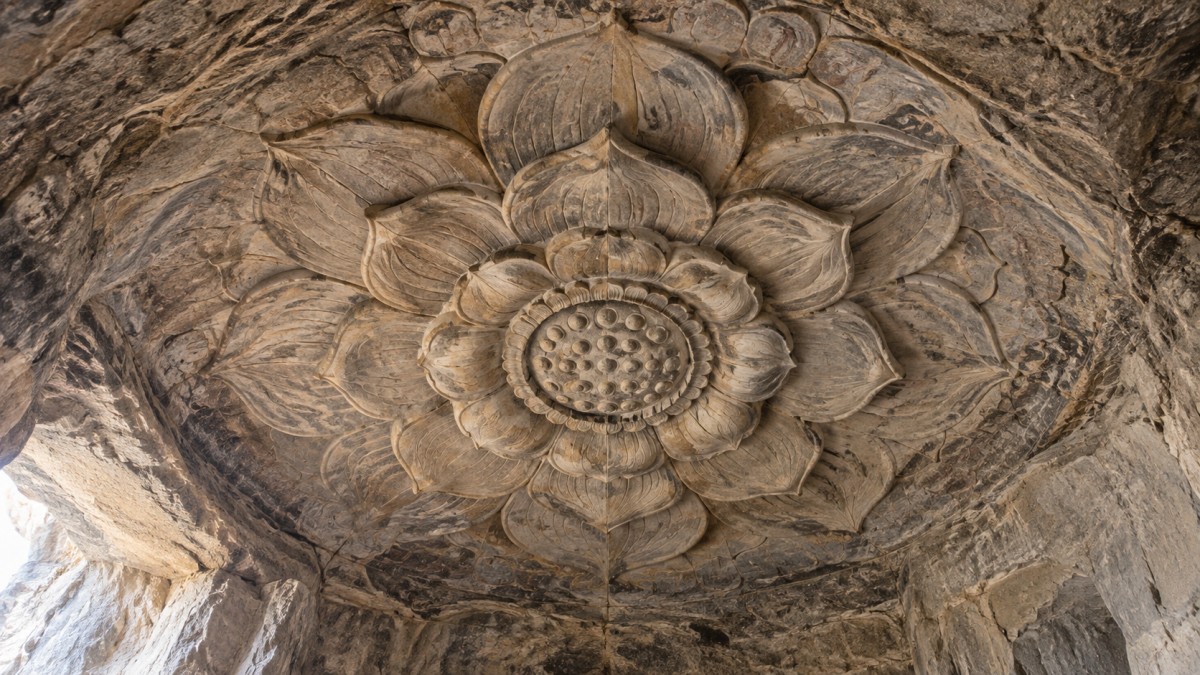
Henan makes these differences especially clear. The carvings at Luoyang’s Longmen Grottoes reward close explanation, while a walk through historic streets allows more room for personal discovery. Around Shaolin Temple, the value of a guide depends on whether your interest centers on Buddhist heritage, martial arts traditions, or simply seeing the grounds. Start with what you want to understand, then decide how much support that experience requires.
Match the format to the experience you want
“Guided” covers several arrangements with very different levels of freedom. A scheduled group tour follows a shared timetable. A private guided visit offers more scope for questions and changes, provided those are agreed in advance. A guide hired for one attraction adds interpretation without taking over the rest of the day. Transport-only arrangements solve a different problem: reaching a place does not automatically include help understanding it.
Self-guided travel also has degrees. You can book everything yourself, reserve transport through an agency, or use an audio guide inside a site. Comparing a fully escorted itinerary with completely unsupported travel creates an unnecessarily narrow choice.
The most useful comparison is between actual itineraries. A small group with substantial free time could feel less restrictive than a private day packed with distant stops.
Where a guide changes what you notice
At Longmen Grottoes, recognizing individual figures is only part of the experience. Questions about patronage, religious imagery, carving styles, and the relationship between caves give the visit greater depth. A knowledgeable guide can connect visible features to those subjects and direct attention toward details that are easy to overlook.
The benefit grows when explanations respond to your interests. An interest in sculpture calls for a different discussion from an interest in Buddhist practice or the relationship between religion and political authority. Before booking, describe the questions you hope to explore. “English-speaking guide” establishes a communication requirement; it does not establish expertise in every historical subject.
Independent exploration remains rewarding when you enjoy preparing beforehand and looking slowly. Read a focused introduction, identify a few features you want to examine, and leave time to observe them. Trying to absorb a long historical overview on a phone while moving through a crowded site divides attention between the screen and the place itself.
Shaolin Temple requires a similar distinction between interests. Temple heritage, martial arts training, and scheduled demonstrations are separate parts of a possible visit. A tour description that mentions “kung fu” does not establish access to training, a lesson, or a particular performance. Ask what is included and how the day is organized. For independent travel, confirm the arrangements relevant to your visit before planning the entire day around one activity.
In Anyang, an interest in oracle bone inscriptions introduces another decision. Specialist interpretation is valuable when you want to understand how inscriptions relate to early writing and archaeological evidence. If your interest is primarily visual, a shorter museum visit with accessible interpretive material might provide enough depth. The subject’s complexity matters only in relation to the questions you bring.
Freedom has practical boundaries
Self-guided travel offers the greatest freedom within an area you can explore comfortably. You can stay longer in a museum gallery, return to an interesting street, or stop for a meal without coordinating with others. That freedom is particularly useful when photography, food, or observation matters more than covering a list of attractions.
Distance changes the calculation. A day combining city attractions with a site outside the urban area requires more attention to transport, entry times, and the return journey. A workable outward route does not guarantee a convenient return. Confirm departure locations and operating information, and leave room for queues and slower movement through the attraction.
Language comfort also affects independence. Translation tools help with short exchanges, but explaining a ticket problem or locating the correct entrance can take longer than ordering lunch. Save attraction names and accommodation addresses in Chinese, keep reservation confirmations accessible, and prepare a way to contact your accommodation or transport provider.
A private guided itinerary still needs realistic timing. Requests to add another destination can reduce the time available at the place you care about most. Agree on priorities before departure: which visit deserves an extended stop, what can be shortened, and where free time belongs. Flexibility works better when everyone understands what should take precedence.
Compare the full day’s cost
The advertised price rarely settles the guided-versus-independent decision. Compare the same route, visit duration, transport standard, and inclusions. A low tour price has little meaning until you know whether admission tickets, transfers, meals, and guide services are included.
For independent travel, add local journeys at both ends of longer transport connections. A rail fare alone does not represent the cost of reaching an attraction from your hotel. Include booking charges where applicable and any transport needed when the original plan no longer fits the available time.
Private arrangements spread some expenses across the group. That changes the comparison when several people travel together, although vehicle capacity and luggage space still need confirmation. Traveling alone creates a different calculation: a shared excursion might offer useful transport and interpretation at a lower total expense than hiring both privately.
Preparation time deserves attention, too. Research can be an enjoyable part of the holiday. It becomes a burden when a short stay requires several unfamiliar booking processes and tightly connected journeys. Paying for support has greater value when it protects time you would otherwise spend resolving arrangements.
When comparing a short itinerary such as the Beijing Essence Two-Day Tour with an independent visit, look beyond the attraction names. Establish how much time is allocated inside each site, whether the schedule includes transfers from your accommodation, and what “free time” means. The title alone does not establish those details or the depth of interpretation.
Reservations and physical comfort can decide the format
Before choosing either approach, establish whether your intended attractions require advance booking, timed entry, or particular identity details. Requirements vary by site and can change. Use the attraction’s current booking information, or obtain written confirmation from the organizer about what they will arrange and what you must provide.
Where a reservation requires passport information, enter it consistently with the travel document and confirm which document must be presented. A booking confirmation does not resolve every entry issue: arrival time, entrance location, and the document used for the reservation can all affect admission.
Organized travel reduces administrative effort only when responsibility is clear. Ask whether the guide meets you before entry or inside the attraction, who holds the tickets, and how changes will be communicated. A service described as a “guided visit” might begin after you have independently reached the meeting point and entered the site.
Physical comfort is another reason to examine the route closely. Long walks, steps, uneven surfaces, exposed areas, and limited places to rest can shape a cultural visit as much as the historical content. A private vehicle reduces travel between locations; it does not remove walking within them.
Ask for the expected walking conditions and opportunities to shorten the route. During hot weather or busy periods, a less crowded schedule leaves more room for rest and slower movement. Self-guided exploration allows spontaneous breaks, while an agreed private itinerary can combine those breaks with transport support. A tightly scheduled group departure offers less control over this balance.
Build a trip around the moments that need support
You do not need one travel style for the entire journey. In Luoyang, you could arrange a guided visit to Longmen Grottoes and keep another part of the trip open for independent neighborhood walks and meals. This concentrates paid interpretation where you expect to ask questions while preserving time to follow your own interests.
A different arrangement suits a day when access is the main challenge. Book the necessary transport, then explore independently if the site’s available interpretation meets your needs. Conversely, an easily reached museum may deserve a specialist guide even when you need no help getting there.
Before committing, write down the experience you would most regret missing. It might be understanding a particular group of carvings, spending time with a collection, or having an uninterrupted afternoon to explore. Then compare each option against that priority. A crowded itinerary can include every attraction on your list while leaving too little time for the one that motivated the trip.
Reserve the services that protect that experience, and leave genuine gaps elsewhere. On a cultural tour, an hour available for an unexpected discovery can be as valuable as an hour planned with an expert.
Your 1:1 travel consultant will respond within 1 business day
How to plan your trip
- “Discover Hebei in Winter” Tourism Exchange and Matchmaking Event Held in Jinan
- Zhangjiakou 2026–2027 Snow Season Launch and Ice and Snow Tourism Promotion Event Held in Shanghai
- The Palace Museum Explained: From Imperial Residence to Public Museum
- The 2026 autumn break covers over 100 cities, with family trips driving off-season demand for cultural and tourism services
- Family Travel in China: Planning a Relaxed Itinerary with Young Children
Monthly travel guide
- Luoyang launches the “Autumn Charm of the Divine Capital” tourism promotion to build anticipation for winter travel
- Typhoon “White Dolphin” Forces Henan Scenic Areas to Close, Putting Summer Ground-Handling Services Under Pressure
- RCEP Implementing Rules for Indonesia Take Effect: Zero Tariffs for Cultural and Tourism Services Alongside Strict Customer Service Requirements
- Saudi Arabia’s New SASO Regulations Take Effect: Taqat Certification Required Before Chinese-Language Cultural Tourism Services Can Access Visit Saudi
- Zhengzhou Launches a Dedicated LCL Shipping Route for Cultural and Tourism Materials, Cutting Freight Costs by 18%
- Luoyang Cold Chain Intensification: Cultural and Creative Exports Delivered in 9 Days
- Expedited Pre-Approval for Group Visas to Three Southeast Asian Countries
- Tightening air freight capacity at Zhengzhou Airport delays the delivery of cultural and tourism materials
- Vietnam's New Regulations on Bus Monitoring Requirements for Group Tours
- Saudi SAMA New Regulations on Travel Liability Insurance Compliance Preparation
- Japanese tourists' new regulations for entering Henan local transport vehicles
- Wai Gao Qiao Wen Travel customs bonded warehouse summer group equipment fast lane
Popular destinations
- Outdoor Team Building: Planning for Bad Weather and Mixed Fitness Levels
- Guided or Self-Guided Cultural Tour in China: Which Suits Your Interests?
- Is Jinshanling Great Wall Right for Beginners? Routes, Steps, and Fitness
- Business Travel in China: What to Include in a Corporate Travel Budget
- China's Natural Landscapes: Choosing Between Karst, Mountains, and Deserts
Why choose us

High cost-performance and transparent experience
Offer astonishing low prices without hidden tourism traps, enabling travelers to explore at lower costs while avoiding unnecessary spending loopholes, ensuring transparent consumption.

Personalization and dedicated service
Support 100% free customization, paired with one-on-one expert service, crafting exclusive itineraries based on travelers' specific needs, while providing professional guidance to enhance the personalization and professionalism of the journey.

Premium itinerary planning
Compact yet rich itineraries allow travelers to experience more within limited time; simultaneously, carefully selected hotels in prime locations provide convenient lodging conditions, overall enhancing travel comfort and experience.