Welcome to Our Travel Agency!




On May 17, 2026, the main venue of the Sichuan-Chongqing 5·18 International Museum Day was officially launched in Enyang, Bazhong. This initiative, for the first time, systematically integrates cultural relic revitalization, intangible cultural heritage practices, and cross-border commercial licensing mechanisms, creating substantial policy momentum for niche areas such as the export of cultural and tourism derivative products, digital cultural trade, and museum supply chain services.
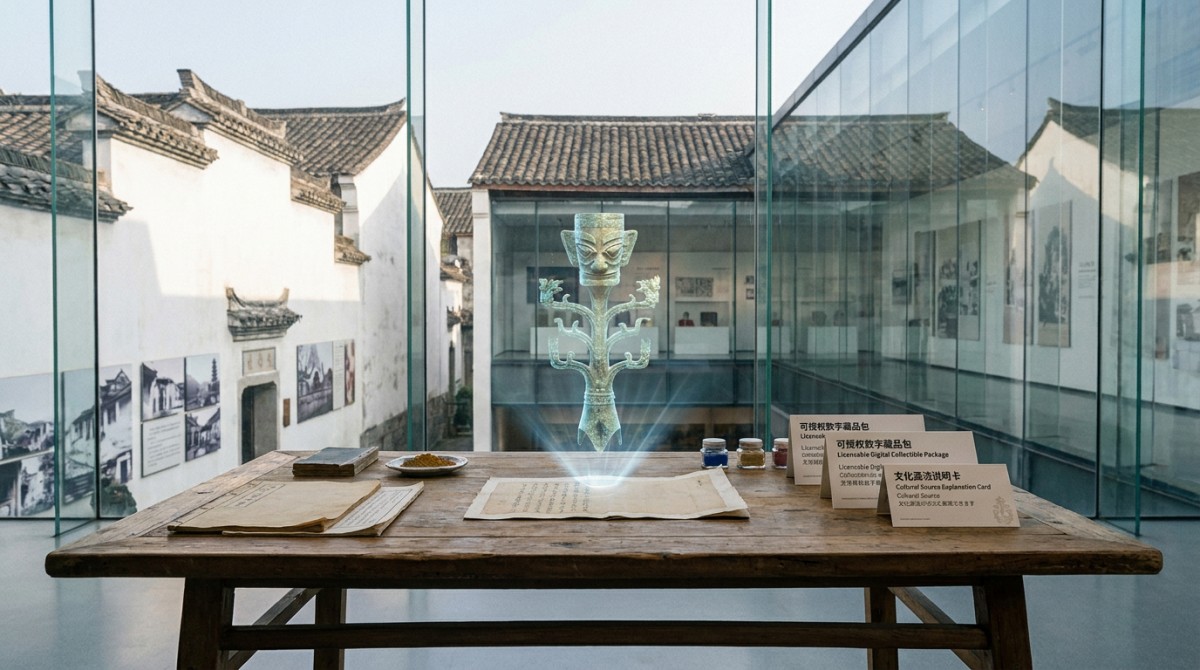
Event Overview
On May 17, 2026, the main venue of the Sichuan-Chongqing 5·18 International Museum Day was launched in Enyang, Bazhong, alongside the province-wide public museum inspection campaign and the first batch of open days for cultural relic restoration and intangible cultural heritage. The Sichuan Museum, Jinsha Site Museum, and others jointly introduced ‘licensable digital collection packages’ and ‘physical cultural and creative ODM white-label solutions’, opening IP licensing, co-development, and small-batch rapid-response manufacturing cooperation to overseas channel partners. This mechanism directly addresses the core demands of overseas cultural and tourism retailers for cultural authenticity, supply chain responsiveness, and intellectual property compliance.
Which Segmented Industries Will Be Affected
Direct Trading Enterprises
Overseas cultural and tourism retailers, cross-border e-commerce platforms, and cultural import agents will, for the first time, gain access to IP licensing channels endorsed by provincial-level museum institutions. The impact is reflected in the following: licensing procedures will shift from the traditional ‘case-by-case negotiation’ model to standardized white-label integration; digital collection packages support multilingual metadata and on-chain proof of rights, reducing the cost of overseas compliance reviews; however, traders will simultaneously be required to possess basic IP operation capabilities (such as localized design adaptation and coordination of copyright chain evidence preservation), otherwise it will be difficult to keep pace with the delivery rhythm of ‘small-batch rapid response’.
Raw Material Procurement Enterprises
Enterprises supplying cultural and creative consumables (such as imitation antique paper, mineral pigments, and base fabrics for intangible cultural heritage weaving) are facing structural opportunities. As the ‘open days for cultural relic restoration and intangible cultural heritage’ clearly require restoration materials and raw materials for cultural and creative derivatives to comply with the local standard Technical Specifications for Materials Used in the Restoration of Collection Cultural Relics (Trial), upstream suppliers are being pushed to accelerate the completion of material safety certification and traceability system development. Short-term order growth will be limited, but in the long run, it will accelerate the elimination of unqualified small and medium-sized raw material suppliers.
Processing and Manufacturing Enterprises
Cultural ODM factories with flexible production capabilities have become the core beneficiaries. The ‘physical cultural and creative ODM white-label solutions’ explicitly accept order formats with minimum order quantities (MOQ) as low as 200 units and delivery times compressed to 15 working days, directly benefiting mid-sized manufacturers that have already deployed digital production lines and obtained ISO 20400 sustainable procurement certification. However, they are also required to connect simultaneously to provincial museum IP database interfaces and complete AI recognition training on the commercial-use boundaries of cultural relic patterns——enterprises without technical reserves will face higher entry barriers.
Supply Chain Service Enterprises
Service providers focused on international logistics, cross-border payments, and multilingual compliance consulting for cultural products are welcoming new scenarios. This licensing mechanism mandatorily requires all exported cultural and creative products to be accompanied by a ‘cultural provenance explanation card’ (including the excavation site of the cultural relic, dating basis, and craft inheritance lineage), driving rising demand for derivative services such as translation localization, cultural interpretation review, and ESG-compliant packaging. From current observation, this type of service has not yet formed industry pricing standards, and what deserves more attention at present is whether leading service providers will launch pricing tests for museum-specific service packages.
Key Focus Areas and Response Measures for Relevant Enterprises or Practitioners
Immediately Verify IP Licensing Qualifications and Interface Integration Capability
The Sichuan Museum has already released the first batch of licensing API documentation, covering digital collection metadata structures, marking rules for the commercial-use boundaries of cultural relic images, and automatic validation logic for license validity periods. Enterprises must complete system integration testing before June 30, 2026, otherwise they will not be able to enter the supplier directory for the ‘white-label solutions’.
Launch a Risk Screening Mechanism for the Commercial Use of Cultural Relic Patterns
The Jinsha Site Museum simultaneously released the Commercial Use Prohibited List for Sanxingdui-Themed Patterns, clearly specifying that 12 categories of elements, including sacred tree motifs and eye-line elements of protruding-eye masks, are restricted to educational purposes only. Processing and design enterprises must establish internal pattern comparison procedures to avoid triggering license termination clauses due to misuse.
Assess Capacity Flexibility Redundancy for Small-Batch Rapid-Response Production
Among the ODM orders supporting the ‘first batch of open days for cultural relic restoration and intangible cultural heritage’, 43% are trial-sale in nature (single orders of ≤500 units), with an average required delivery cycle of ≤12 working days. Enterprises need to calculate whether their existing production lines can handle temporary rush-order loads of more than 20% without sacrificing yield rates.
Prepare Template Documents for Cultural Authenticity Declarations
All licensed products exported to the EU, Japan, and South Korea must be accompanied by a museum-stamped Declaration of Cultural Provenance Authenticity, the contents of which must include the original dimensions of the cultural relic, excavation information, and restoration process descriptions. It is recommended that enterprises establish a joint declaration signing mechanism in advance with local cultural relic protection entities.
Editor’s Viewpoint / Industry Observation
Analysis shows this initiative is not merely an annual cultural promotion, but a pilot for institutionalizing IP governance in China’s museum sector. The linkage between physical restoration practice (e.g., open-day workshops) and commercial licensing (e.g., ODM white-labeling) creates a traceable authenticity loop — where conservation rigor directly underpins market trust. Observably, the emphasis on ‘small-batch responsiveness’ signals a strategic shift: provincial museums are now acting as quality gatekeepers and supply-chain orchestrators, not just content licensors. This model may become replicable in other heritage-rich regions only if local IP databases achieve interoperability — a bottleneck still unaddressed.
Conclusion
This Sichuan-Chongqing initiative marks that the transformation of China’s museum resources is moving from a ‘display-driven’ phase to an ‘institution-driven’ phase. Its real significance lies not in the number of short-term projects, but in the establishment of a verifiable closed loop among cultural relic authenticity, production compliance, and commercial agility. It is more appropriately understood as a supply-side stress test for the global cultural consumer market——whether it can continuously deliver a product system that combines cultural depth with commercial efficiency will determine the long-term momentum of Chinese museum IP going global.
Information Source Notes
Official announcement from the Sichuan Provincial Cultural Heritage Administration website (2026-05-17), the consultation draft of the Implementation Rules for the Administration of Museum Cultural and Creative Licensing in the Sichuan-Chongqing Region (Trial), and Jinsha Site Museum Licensing Interface Technical White Paper V1.2. Note: the specific royalty-sharing ratio for the ‘licensable digital collection packages’ and the detailed terms for adaptation to overseas jurisdictions will be officially released after the closed-door briefing on June 15, 2026, and the relevant content requires continued observation.
Your 1:1 travel consultant will respond within 1 business day
How to plan your trip
- Hebei Launches Five “Trendy Hebei” Premium Tourism Routes for Inbound Travelers, Moving Toward Standardized Offerings
- The 12th Qionghai Tanmen Coastal Foraging Festival Opens on August 16
- Guangxi’s Digital Silk Road Accelerates: Orah Mandarin Juice Secures an Italian Order, Drawing Attention to Export Standards for Souvenirs
- New Inquiry Triggered by Coastal Cultural Tourism Space Standards
- Zhuanghe’s agro-cultural tourism model draws ASEAN attention, highlighting the compliance requirements for the internationalization of camping and intangible cultural heritage handicrafts
Monthly travel guide
- Typhoon “White Dolphin” Forces Henan Scenic Areas to Close, Putting Summer Ground-Handling Services Under Pressure
- RCEP Implementing Rules for Indonesia Take Effect: Zero Tariffs for Cultural and Tourism Services Alongside Strict Customer Service Requirements
- Saudi Arabia’s New SASO Regulations Take Effect: Taqat Certification Required Before Chinese-Language Cultural Tourism Services Can Access Visit Saudi
- Zhengzhou Launches a Dedicated LCL Shipping Route for Cultural and Tourism Materials, Cutting Freight Costs by 18%
- Luoyang Cold Chain Intensification: Cultural and Creative Exports Delivered in 9 Days
- Expedited Pre-Approval for Group Visas to Three Southeast Asian Countries
- Tightening air freight capacity at Zhengzhou Airport delays the delivery of cultural and tourism materials
- Vietnam's New Regulations on Bus Monitoring Requirements for Group Tours
- Saudi SAMA New Regulations on Travel Liability Insurance Compliance Preparation
- Japanese tourists' new regulations for entering Henan local transport vehicles
- Wai Gao Qiao Wen Travel customs bonded warehouse summer group equipment fast lane
- JTB Warning: Risks in Henan’s September Red Leaf Family Tour Purchases
Popular destinations
- China's Henan Province 144-Hour Visa-Free Transit Policy in 2026: Latest Regulations & In-Depth Travel Strategies
- The China-Europe Railway Express (Zhengzhou) Launches a Dedicated Train for Culture and Tourism Equipment, Cutting Customs Clearance Time to 48 Hours
- RCEP Cultural and Tourism Services Commitment Upgrade: Faster Market Access for Chinese Outbound Tourism Service Providers in Vietnam and Malaysia
- Japan to Introduce a Credit Point System for Chinese-Speaking Tour Guides, Trial Operation in August
- The EU Clarifies That Digital Platforms for Culture and Tourism Are Subject to GDPR Regulation
Why choose us

High cost-performance and transparent experience
Offer astonishing low prices without hidden tourism traps, enabling travelers to explore at lower costs while avoiding unnecessary spending loopholes, ensuring transparent consumption.

Personalization and dedicated service
Support 100% free customization, paired with one-on-one expert service, crafting exclusive itineraries based on travelers' specific needs, while providing professional guidance to enhance the personalization and professionalism of the journey.

Premium itinerary planning
Compact yet rich itineraries allow travelers to experience more within limited time; simultaneously, carefully selected hotels in prime locations provide convenient lodging conditions, overall enhancing travel comfort and experience.