Welcome to Our Travel Agency!




Travel Guide
On May 15, the Chinese Consulate General in Cebu issued a special safety reminder regarding the frequent occurrence of safety accidents in water-related tourism activities such as snorkeling and diving, clearly requiring tourists to pay attention to key matters including the provision of lifesaving equipment, real-time sea condition assessment, and avoiding entry into non-open sea areas. Although this reminder is aimed at outbound tourists, it essentially transmits overseas compliance pressure upstream along the outbound travel supply chain—particularly affecting various market entities in China that procure foreign-related tourism services. Companies involved in travel agency product design, destination management company selection, procurement of insurance and emergency plans, and outsourcing of bilingual safety training should pay close attention.
Event Overview
On May 15, the Chinese Consulate General in Cebu published the "Reminder on Strengthening Safety Precautions for Water-Related Tourism Activities" on its official website and social media platforms, pointing out that multiple incidents have recently occurred in the Cebu area of the Philippines involving Chinese citizens participating in activities such as snorkeling and diving, including drowning, hypoxia, and boating accidents; the reminder includes: qualified life jackets must be used, sea conditions on the day of departure must be assessed by professionals, entry into undeveloped sea areas or waters without rescue support is strictly prohibited, and operators must be qualified and provide supervision throughout the entire process. The notice did not mention the specific number of incidents, the time span involved, or the names of the organizations concerned, nor did it announce any mandatory regulatory measures or penalty mechanisms.
Which Sub-Sectors Are Affected
Outbound Travel Agencies(including tour operators and customized travel service providers)
As they are required to fulfill due diligence obligations toward overseas destination management companies, their procurement decisions will rely more heavily on whether such destination management companies have valid liability insurance, written emergency response plans, bilingual safety operation manuals, and internationally recognized certifications(such as ISO 21101). The impact is reflected in longer product launch cycles, more frequent dynamic updates to supplier whitelists, and increased weight of risk control clauses in contracts.
Domestic Chinese Destination Management Companies and Overseas Tourism Service Suppliers
As directly affected parties, their service export capabilities face higher compliance thresholds. The impact is mainly reflected in the following: overseas buyers will conduct substantive checks during supplier comparison on the scope of insurance coverage(such as whether high-risk activities are included), emergency response time commitments(such as a 15-minute golden rescue process), retention of employees' bilingual safety training records, and whether third-party system certifications have been obtained.
Travel Insurance and Risk Management Service Providers
The demand structure for B-end products such as travel liability insurance, activity-specific insurance, and rescue coordination services is changing. The impact is reflected in the fact that buyers are paying more attention to whether policies explicitly cover specific activities such as snorkeling/diving, whether they are tied to qualified rescue institutions, and whether they support multilingual reporting and claims guidance, rather than merely emphasizing coverage amounts and rates.
Tourism Supply Chain Management and Compliance Consulting Institutions
For institutions providing services such as supplier audits, document compliance reviews, and certification guidance for outbound tourism enterprises, the focus of their work will shift toward a "verifiable chain of execution evidence". The impact is reflected in clients being more inclined to procure service modules that can provide deliverables such as on-site safety training video archives, sea condition assessment log templates, and ISO 21101 clause comparison tables.
What Key Points Should Relevant Companies or Practitioners Watch, and How Should They Respond at Present
Monitor Follow-Up Official Statements or Policy Changes
At present, this reminder is a consular safety notice and does not carry administrative mandatory force; however, it is necessary to continue tracking whether the Chinese Ministry of Culture and Tourism and the Department of Consular Affairs of the Ministry of Foreign Affairs will issue supporting guidelines, or whether local tourism regulatory authorities in the Philippines will simultaneously strengthen law enforcement inspections—such developments will determine whether compliance requirements shift from "recommendations" to "preconditions for market access".
Pay Attention to Changes in Key Categories, Key Markets, or Key Business Links
The share of high-risk water-related activities such as snorkeling, diving, and island-hopping trips in products for popular destinations such as the Philippines, Thailand, and Indonesia is being reassessed; enterprises should prioritize sorting out the SKU list in existing routes that involve the above activities, identifying weak links that rely on uncertified small-vessel operations, lack fixed rescue stations, or do not have the capability to access real-time weather data.
Differentiate Between Policy Signals and Actual Business Implementation
This reminder currently does not set a certification validity period, does not designate a single certification standard(for example, ISO 21101 is only an example), and does not require mandatory public disclosure of verification results; enterprises do not need to immediately replace all suppliers, but they should embed clauses such as "safety compliance self-declaration + random inspection rights" into newly signed/renewed contracts, and retain sign-in and assessment records of safety training from the last 6 months for inspection.
Make Advance Preparations in Procurement, Supply Chain, Communication, or Emergency Planning
It is recommended to launch the first round of compliance self-inspections for core destination management companies: confirm whether their insurance policies specify the types of covered activities and geographic scope; check whether emergency plans include Chinese-English bilingual versions and local rescue contact trees; verify whether at least 1 simulated drowning response drill has been completed within the past six months and whether video records have been retained; organize the above materials into a standardized "Supplier Safety Compliance Package" for buyer review.
Editorial Viewpoint / Industry Observation
Observably, this consular notice functions primarily as a risk signaling mechanism—not yet a regulatory enforcement tool. Analysis shows it reflects growing diplomatic attention to extraterritorial service quality spillovers, especially where Chinese outbound tourists are concentrated in high-risk activity segments. From an industry perspective, it is better understood as an early-stage compliance pressure point: it does not mandate new certifications, but reshapes procurement due diligence criteria and elevates documentation rigor in supplier management. The real impact lies less in immediate operational disruption, and more in the long-term recalibration of what constitutes ‘acceptable risk’ in cross-border tourism service contracting.
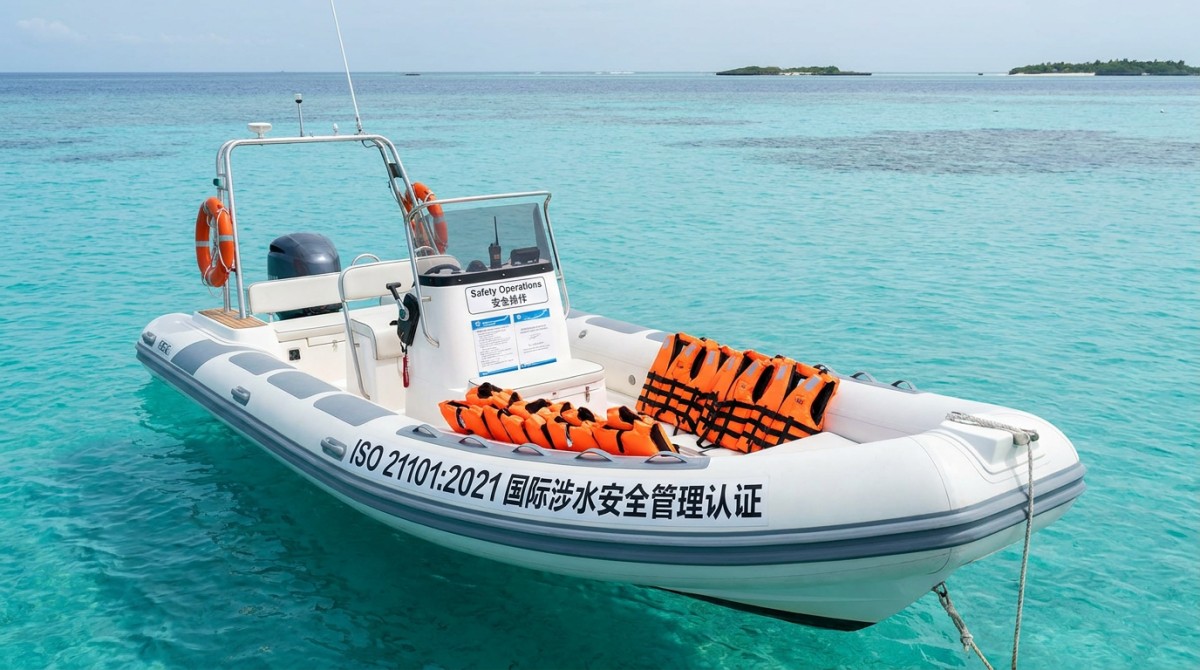
Conclusion: this reminder is not a sudden regulatory escalation, but rather a gradual manifestation of outbound travel compliance governance extending upstream from the end-consumer side to the supply chain. At present, it is more appropriate to understand it as a signal of "enhanced due diligence intensity", and its industry significance lies in pushing enterprises to transform safety compliance from contractual annex clauses into normalized supply chain management actions that are traceable, verifiable, and collaborative. The key to a rational response lies in distinguishing between "necessary preparation" and "overreaction", and focusing on making practical improvements in the links of existing business with the highest degree of risk exposure.
Source note:
Main source: the "Reminder on Strengthening Safety Precautions for Water-Related Tourism Activities" published by the official website and official social media accounts of the Chinese Consulate General in Cebu(May 15, 2024).
Parts requiring continued observation: whether the Ministry of Culture and Tourism of China and the National Immigration Administration will issue supporting operational guidelines on this matter; whether the Department of Tourism of the Philippines(DOT)will simultaneously update the detailed review rules for operating permits related to water-based activities.
Your 1:1 travel consultant will respond within 1 business day
How to plan your trip
- Hebei Launches Five “Trendy Hebei” Premium Tourism Routes for Inbound Travelers, Moving Toward Standardized Offerings
- The 12th Qionghai Tanmen Coastal Foraging Festival Opens on August 16
- Guangxi’s Digital Silk Road Accelerates: Orah Mandarin Juice Secures an Italian Order, Drawing Attention to Export Standards for Souvenirs
- New Inquiry Triggered by Coastal Cultural Tourism Space Standards
- Zhuanghe’s agro-cultural tourism model draws ASEAN attention, highlighting the compliance requirements for the internationalization of camping and intangible cultural heritage handicrafts
Monthly travel guide
- Typhoon “White Dolphin” Forces Henan Scenic Areas to Close, Putting Summer Ground-Handling Services Under Pressure
- RCEP Implementing Rules for Indonesia Take Effect: Zero Tariffs for Cultural and Tourism Services Alongside Strict Customer Service Requirements
- Saudi Arabia’s New SASO Regulations Take Effect: Taqat Certification Required Before Chinese-Language Cultural Tourism Services Can Access Visit Saudi
- Zhengzhou Launches a Dedicated LCL Shipping Route for Cultural and Tourism Materials, Cutting Freight Costs by 18%
- Luoyang Cold Chain Intensification: Cultural and Creative Exports Delivered in 9 Days
- Expedited Pre-Approval for Group Visas to Three Southeast Asian Countries
- Tightening air freight capacity at Zhengzhou Airport delays the delivery of cultural and tourism materials
- Vietnam's New Regulations on Bus Monitoring Requirements for Group Tours
- Saudi SAMA New Regulations on Travel Liability Insurance Compliance Preparation
- Japanese tourists' new regulations for entering Henan local transport vehicles
- Wai Gao Qiao Wen Travel customs bonded warehouse summer group equipment fast lane
- JTB Warning: Risks in Henan’s September Red Leaf Family Tour Purchases
Popular destinations
- China's Henan Province 144-Hour Visa-Free Transit Policy in 2026: Latest Regulations & In-Depth Travel Strategies
- Japan to Introduce a Credit Point System for Chinese-Speaking Tour Guides, Trial Operation in August
- The EU Clarifies That Digital Platforms for Culture and Tourism Are Subject to GDPR Regulation
- Thailand Upgrades “China Ready” Certification, Adding AI Voice Compliance Testing for Chinese-Language Commentary
- Japan Revises the Tourism Services Industry Act, Introducing a Credit Points System for Chinese-Speaking Tour Guides
Why choose us

High cost-performance and transparent experience
Offer astonishing low prices without hidden tourism traps, enabling travelers to explore at lower costs while avoiding unnecessary spending loopholes, ensuring transparent consumption.

Personalization and dedicated service
Support 100% free customization, paired with one-on-one expert service, crafting exclusive itineraries based on travelers' specific needs, while providing professional guidance to enhance the personalization and professionalism of the journey.

Premium itinerary planning
Compact yet rich itineraries allow travelers to experience more within limited time; simultaneously, carefully selected hotels in prime locations provide convenient lodging conditions, overall enhancing travel comfort and experience.