

Do we need extra insurance for a guided hiking group in Henan? Sometimes: additional cover is appropriate when your existing policy excludes the planned activities.
Before exploring Mount Laojun or the southern Taihang Mountains, check your existing protection. A guided itinerary does not automatically insure participants against injuries or evacuation.
An operator’s liability insurance also serves a different purpose from personal travel insurance. Having a professional guide does not remove the need to check both.
Drawing on Henan Le Journey Travel Agency’s local trip planning experience, this guide explains how to identify coverage gaps before committing your group to departure.
The practical answer is to insure the actual itinerary and participants. You may need an activity extension, a replacement policy, or no additional purchase.
What Does the Tour Operator’s Insurance Actually Cover?
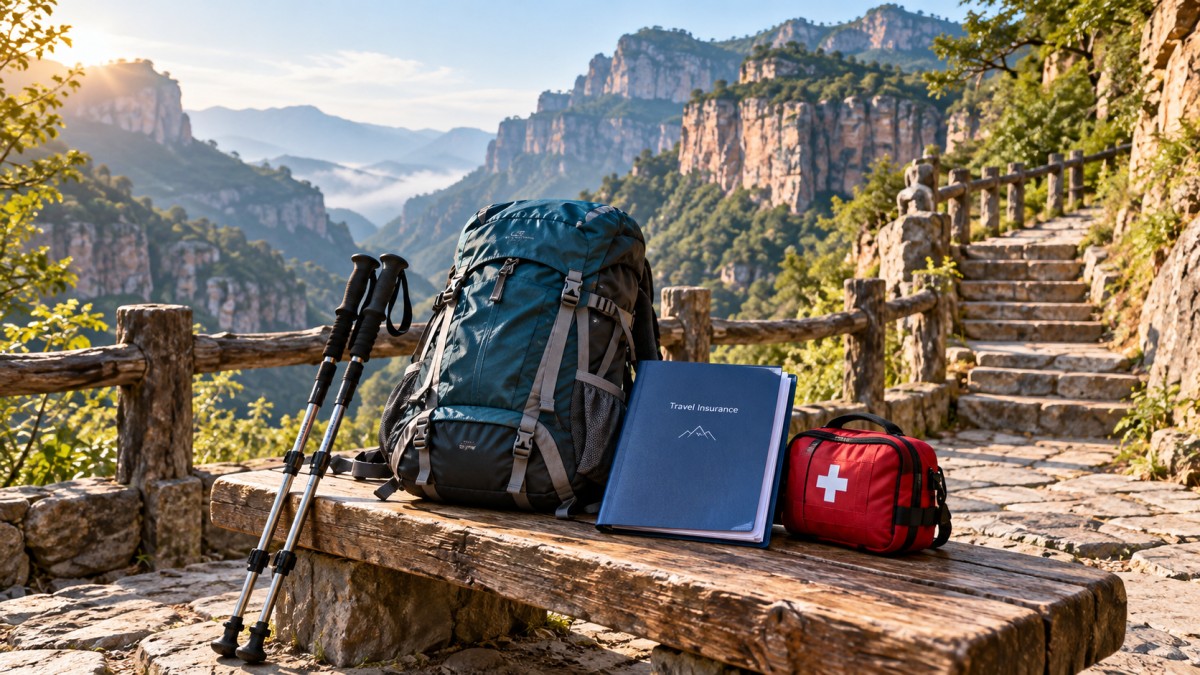
Start by separating the travel agency’s liability insurance from each traveler’s personal protection. They address different risks, and neither should be assumed to replace the other.
Operator liability insurance generally concerns the agency’s insured legal liability, subject to policy terms. It does not automatically pay every medical bill following an accident.
For example, a participant might slip on wet steps without any established fault by the operator. Personal medical or accident benefits may then become especially relevant.
Personal travel insurance can include emergency medical treatment, evacuation, cancellation, and other benefits. However, each benefit has separate conditions, exclusions, limits, and sometimes deductibles.
A personal accident policy may primarily provide specified injury, disability, or death benefits. Check whether it also includes meaningful medical expenses and emergency assistance.
If a quotation says “insurance included,” request the insurer’s name, policy wording, benefit schedule, and eligibility rules. A short booking description is insufficient evidence.
Also confirm who is insured, which dates apply, and whether foreign visitors qualify. A group booking does not establish that every participant has valid cover.
When Is Extra Hiking Insurance Worth Buying?
Additional insurance becomes useful when an existing policy leaves a material gap. The decision should follow a coverage comparison, rather than the destination’s reputation.
Your current comprehensive travel policy may already cover ordinary guided walking in mainland China. If the route satisfies its conditions, another policy could add little.
Extra protection deserves closer consideration when your itinerary includes remote trails, substantial elevation, exposed terrain, scrambling, or activities excluded from standard leisure travel cover.
Likewise, insurance offered through a payment card, employer, or membership may depend on payment methods, trip duration, residency, or whether the journey is personal.
Domestic travelers should also examine existing medical and accident arrangements. Reimbursement rules, treatment locations, and assistance benefits may differ from those of travel insurance.
Buying overlapping policies does not necessarily produce double reimbursement for the same expense. Ask how claims coordination works before paying for benefits you already hold.
If the insurer cannot confirm that the planned hiking is covered, resolve the uncertainty before departure. An upgrade or different policy may be necessary.
How Do Mount Laojun and Taihang Routes Affect Coverage?
Destination names alone tell an insurer very little. A sightseeing visit using established paths can differ substantially from a long mountain traverse within the same region.
At Mount Laojun, an itinerary might combine cable cars, paved paths, and numerous steps. Confirm the actual walking sections, maximum elevation, and expected physical demands.
In the southern Taihang Mountains, routes can vary between developed scenic areas and more remote walking terrain. Coverage should reflect the selected route and access arrangements.
Request a written itinerary stating walking duration, distance, ascent, highest elevation, surfaces, and any exposed sections. Include optional hikes that participants may realistically choose.
Then compare those details with the policy’s definitions of hiking, trekking, mountaineering, and climbing. Everyday descriptions used by guides may differ from insurance terminology.
A policy may impose altitude restrictions or exclude routes requiring technical equipment. Guided participation does not automatically override either condition, even when the outing seems straightforward.
Weather also changes practical difficulty. Rain, ice, heat, or closures may require a revised route; significant changes should be checked against the agreed insurance scope.
Insurance does not grant permission to enter restricted terrain. Keep the itinerary within open, authorized areas and follow local closures, site rules, and guide instructions.
Which Benefits Matter Most If Someone Is Injured?
Prioritize emergency medical expenses and medically necessary evacuation. These address different stages of an incident, and a policy can provide one without adequately covering the other.
Review medical limits alongside deductibles, outpatient treatment, inpatient care, diagnostic tests, and prescribed medicines. Check whether treatment must occur at particular hospitals or facilities.
Ask whether the traveler must initially pay expenses and seek reimbursement. Direct settlement may depend on the hospital, insurer approval, and the circumstances of admission.
Distinguish evacuation from search and rescue. Locating someone, reaching an injured walker, transferring them to hospital, and repatriating them may fall under separate provisions.
Check whether rescue expenses have their own limit or exclusion. Do not assume a general evacuation benefit automatically covers every mountain assistance or recovery cost.
Confirm who decides the appropriate destination for treatment. Policies may cover transport to the nearest suitable facility, rather than a hospital selected by the traveler.
Repatriation benefits also warrant review, particularly for international visitors. Check medical necessity requirements, assistance procedures, accompanying person benefits, and arrangements following a serious incident.
No insurance purchase guarantees helicopter access. Weather, terrain, local resources, and operational decisions affect rescue options, so the group still needs a practical emergency plan.
Who in the Group Needs an Individual Coverage Check?
A shared itinerary does not mean shared insurance eligibility. Each traveler’s age, residence, medical history, and planned activities can affect whether a policy responds.
For international visitors, confirm that mainland China is covered and that the policy accepts their country of residence. Check the entire journey’s start and end dates.
Older travelers should review enrollment age limits and any benefit reductions. Children may require specific family coverage or inclusion by name on a group policy.
Travelers with existing medical conditions should follow the insurer’s disclosure process. Ask how related emergencies are treated and whether written acceptance or additional cover is available.
For example, a hiking injury and an illness aggravated by exertion may be assessed differently. Avoid assuming that all emergencies receive identical treatment under the policy.
Corporate organizers should confirm whether employee policies cover recreational hiking during business travel. Accompanying relatives, contractors, and guests may fall outside the employer’s arrangements.
Assign one coordinator to check that coverage confirmations are complete, while handling medical information privately. Participants should disclose sensitive health details directly through appropriate channels.
What About Cancellation, Weather, and Changes to the Itinerary?
Medical protection is only part of the decision. Groups making substantial advance payments should also examine cancellation, interruption, delay, and missed departure benefits carefully.
These benefits generally depend on specified insured events. A traveler changing their mind or deciding that a walk looks difficult may not qualify for reimbursement.
Bad weather does not automatically create a valid claim. A scenic area closure, transport cancellation, and an uncomfortable forecast can produce different outcomes under policy wording.
Ask the organizer which payments are refundable and when cancellation charges increase. Compare that financial exposure with the policy’s limits, exclusions, and covered reasons.
For group bookings, establish what happens if one person becomes ill. Insurance may distinguish between that traveler, an insured companion, and the remaining participants.
Purchase timing can matter for particular benefits and known events. Read those conditions before paying deposits, especially when relying on cancellation or medical condition provisions.
Flexible planning also reduces disruption. Agree on suitable alternative activities, transport arrangements, and decision deadlines, while recognizing that itinerary flexibility and insurance provide different protections.
What Should You Ask the Insurer Before Booking?
Send the insurer a concise description of the proposed trip. Include Henan destinations, travel dates, participant eligibility details, and the most demanding planned walking activity.
A useful request describes maintained paths or rough terrain, daily walking hours, maximum elevation, and whether scrambling is involved. Attach the operator’s itinerary when available.
Ask for confirmation that emergency medical treatment is covered during those activities. Separately request clarification of search, rescue, evacuation, and repatriation benefits and limits.
Ask whether guide qualifications, authorized routes, particular equipment, or advance notification are conditions of cover. Record the answer alongside the applicable policy version and endorsements.
Request the emergency assistance number and instructions for urgent treatment. Clarify when authorization is required and what to do if communication is temporarily unavailable.
Written clarification is useful, but it should match the issued contract. If an exception is promised, request the relevant endorsement or other formal policy documentation.
Compare quotations by covered activities, eligibility, benefits, exclusions, deductibles, and assistance arrangements. A lower premium offers little value if the actual hiking remains excluded.
How Should the Group Prepare Before Departure?
Before departure, each participant should retain their policy number, assistance contact, identity documents, and emergency contact details. Keep essential information accessible without relying entirely on connectivity.
The organizer should confirm communication arrangements, meeting points, transport access, and procedures for separating an injured participant from the group safely with appropriate support.
Henan Le Journey Travel Agency can help groups clarify itinerary details, walking demands, transport, and guide arrangements so travelers can present accurate information to insurers.
Local planning also helps match routes to participant fitness and available time. Choosing an appropriate walk reduces avoidable exposure while preserving the cultural and scenic experience.
If an incident occurs, prioritize safety and urgent medical care. Contact local emergency services and the insurer’s assistance team as soon as circumstances reasonably allow.
Retain medical records, itemized invoices, payment receipts, and relevant incident documentation. Follow claim deadlines and avoid assuming that the tour operator submits personal claims automatically.
Make the Decision Around Your Actual Coverage Gaps
A guided hiking group in Henan needs extra insurance when existing protection does not adequately cover its participants, planned activities, emergency needs, or financial exposure.
Before buying, obtain the detailed itinerary, check every participant’s eligibility, and secure clear answers about medical treatment, rescue, and evacuation. Add protection where gaps remain.
When suitable coverage already exists, additional insurance may be unnecessary. The goal is a well prepared group with verified protection for the journey it will take.