Welcome to Our Travel Agency!




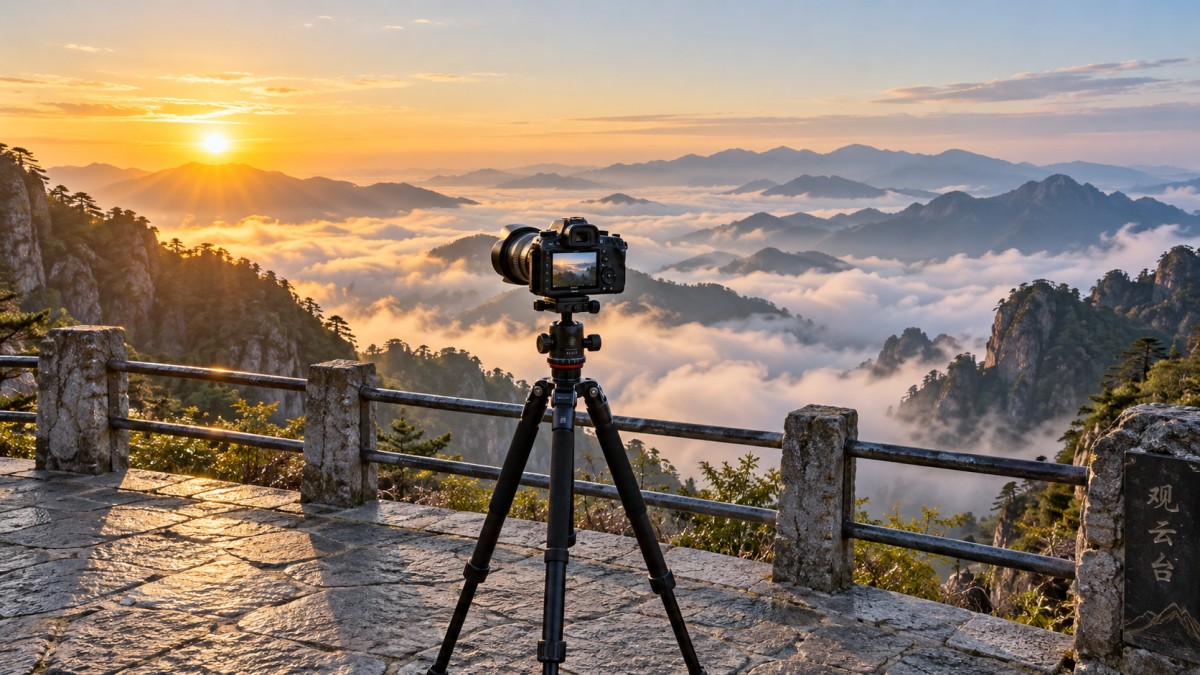
Whether you’re heading to the mountains to see a sea of clouds or wandering the lanes of an ancient town, the difference between a photography-focused itinerary and a regular sightseeing tour lies first and foremost in how the day is scheduled. Sightseeing tours place greater emphasis on the range and completeness of attractions and experiences, while photography tours plan activities around light, shooting locations, and waiting time. Getting the right shot may mean an early start and a late return, or visiting fewer attractions and spending longer at the same location.
If you’re willing to adjust your schedule for photography and can accommodate changing weather and waiting, a photography-focused tour may be more appealing. If you’d rather enjoy a more relaxed trip, spend time with family, and take photos as you go, a regular sightseeing tour or a customized itinerary with dedicated photography time may be a better fit. Owning expensive equipment is not a prerequisite for choosing this type of tour.
The difference lies in the itinerary, not just the list of attractions
Two itineraries can visit the same destinations yet offer very different travel experiences. A regular sightseeing itinerary may cover the main attractions during the day, while a photography tour needs to consider the subject matter and determine when to arrive, where to enter, and how long to stay. Early morning and late afternoon are often set aside for landscape photography, but subjects such as architectural details, everyday life in the lanes, and indoor exhibits each have their own lighting and opening-hour requirements.
Whether the time spent at each stop supports photography is a direct indicator of the type of itinerary. If the schedule lists “sunrise photography,” check the transport from the accommodation to the shooting location, the walking distance, and entry arrangements. If there isn’t enough time to find a spot and prepare your equipment, this stop can easily become a rushed photo opportunity.
Photography tours also depend more on adjustments made on site. When mountain fog rolls in, distant views may lose their depth, while forests and close-up subjects may be ideal to photograph. Overcast skies may not suit certain sunrise shots, but can bring out the details of historic buildings more softly. The itinerary should include feasible alternative subjects to photograph, though any changes will still depend on attraction opening hours, road conditions, and the group’s physical stamina.
So, fewer attractions do not necessarily mean a poorly planned trip, and a longer stay does not automatically mean a more professional one. What matters is whether the time set aside meets specific photography needs, and whether too much time and energy will be spent traveling between shooting locations.
Which photography enthusiasts are more likely to get the most out of a tour
People with clear subject preferences can more easily judge whether an itinerary suits them. If you enjoy landscapes, consider the seasonal scenery, orientation, walking intensity, and weather alternatives. If you prefer historic architecture and cultural subjects, check whether there is time to observe the lanes, understand the setting, and wait for people to enter the frame. Trying to fit landscapes, cultural subjects, and night scenes into a packed schedule can leave you barely scratching the surface of each.
Beginners can join too, but should distinguish between “providing opportunities to take photos” and “providing photography instruction.” A tour leader’s familiarity with the route and knowledge of shooting locations do not necessarily mean the itinerary includes composition lessons, camera-setting guidance, or feedback on your work. If you hope to learn as you go, ask in advance whether there is a clear teaching plan, how instruction is provided, and whether the tour leader can accommodate participants with different skill levels.
Smartphone users can also benefit from suitable lighting and plenty of time to observe. However, if the group’s main subjects are distant birds, long exposures, or other photography that relies on specific equipment, smartphone users may find it difficult to take part. Matching your photography goals and equipment capabilities to the group’s pace matters more than the price of your equipment.
For people who are not used to getting up early, cannot stand for long periods, or want to see more attractions each day, an intensive photography tour may not be comfortable. When booking, don’t rely solely on descriptions such as “easy hiking.” Ask about the walking surfaces, steps, nighttime activities, distances for carrying equipment, and opportunities to rest along the way.
When traveling with family, how much time should you set aside for photography?
Photography during a family trip needs to be planned alongside the experience of everyone traveling together. A photographer may be happy to wait for the light by the sea, while children may want to play in the sand or see animals. Companions may want to eat and rest on schedule, while the photographer may want to keep waiting for the evening glow. These differences in pace can affect the trip more than equipment preparation.
For example, on a family itinerary combining animal encounters and seaside activities, such as Guangzhou Chimelong/Xunliao Bay/Huizhou, you can capture family interactions as part of the activities and set aside a separate period for photography by the sea. If you want to arrange a dedicated wildlife or coastal landscape photography session, check the length of each stop, site rules, and your family’s rest schedule again.
For these kinds of trips, agreeing on one or two photography sessions in advance often makes it easier to accommodate everyone. Family members who enjoy photography get a reasonably uninterrupted block of time to create, while others have activities of their own and do not need to wait throughout the trip. A private vehicle offers more flexibility, but you still need to follow reservation times, attraction rules, and the driver’s work schedule.
When reviewing an itinerary, translate “great photo opportunities” into specific conditions
Promotional photos show the results of a particular shoot; they cannot guarantee the same sea of clouds, evening glow, or people will be there on the day of your trip. When comparing itineraries, ask about three things in particular:
- Are the photography times confirmed? When is each key location expected to be reached, how long will you stay, and is enough time allowed for transport and walking?
- Are the photography conditions permitted? Could restrictions on opening hours, tripod use, indoor photography, or drone flights affect the planned subjects?
- What happens if conditions change? What alternative activities are available in case of rain, road closures, or a temporary attraction closure, and how will any changes in cost be handled?
Compare prices in light of what is included. Small-group transport, accommodation close to shooting locations, additional transfers, and photography instruction can all affect the quoted price. A higher price does not necessarily mean a better photography experience. Check whether these arrangements address your actual needs and whether the scope of services is clearly stated in the itinerary or contract.
Cultural photography also involves the consent of the people being photographed and respect for the setting. Ask before entering people’s living spaces or taking close-up portraits. Follow on-site requirements at religious ceremonies, performances, and heritage sites. Crossing barriers or entering restricted areas for a shot should never be treated as a routine part of the itinerary.
Before choosing, list the two or three types of images you most want to capture, then match each one to the itinerary’s timing, locations, and physical demands. If these conditions can all be clearly explained, a photography tour with fewer attractions may still be well worth joining.
Your 1:1 travel consultant will respond within 1 business day
How to plan your trip
- Autumn Breaks in Multiple Regions Boost November Travel, Offering Hope for the Traditional Low Season
- China Tourism Academy Releases Report on Autumn Trends in China's Domestic Customized Tour Market
- Visiting China for the First Time: How Many Cities Should You Include in a 15-Day Grand Tour?
- Is a geology exploration tour suitable for elementary school students?
- Is it worth hiring a guide for a visit to the Terracotta Army?
Monthly travel guide
- Luoyang launches the “Autumn Charm of the Divine Capital” tourism promotion to build anticipation for winter travel
- Typhoon “White Dolphin” Forces Henan Scenic Areas to Close, Putting Summer Ground-Handling Services Under Pressure
- RCEP Implementing Rules for Indonesia Take Effect: Zero Tariffs for Cultural and Tourism Services Alongside Strict Customer Service Requirements
- Saudi Arabia’s New SASO Regulations Take Effect: Taqat Certification Required Before Chinese-Language Cultural Tourism Services Can Access Visit Saudi
- Zhengzhou Launches a Dedicated LCL Shipping Route for Cultural and Tourism Materials, Cutting Freight Costs by 18%
- Luoyang Cold Chain Intensification: Cultural and Creative Exports Delivered in 9 Days
- Expedited Pre-Approval for Group Visas to Three Southeast Asian Countries
- Tightening air freight capacity at Zhengzhou Airport delays the delivery of cultural and tourism materials
- Vietnam's New Regulations on Bus Monitoring Requirements for Group Tours
- Saudi SAMA New Regulations on Travel Liability Insurance Compliance Preparation
- Japanese tourists' new regulations for entering Henan local transport vehicles
- Wai Gao Qiao Wen Travel customs bonded warehouse summer group equipment fast lane
Popular destinations
- Luoyang Museum to Close; Night Tours at Longmen to Be Suspended; Restoration Work to Begin at White Horse Temple
- What cancellation fees apply when a participant drops out of a customized corporate trip at short notice?
- Which stop should come first on a Wudang Mountain and Shennongjia tour for the most convenient route?
- How should time for altitude acclimatization be planned for a Mount Siguniang and Bipenggou tour?
- How can you tell from an itinerary whether enough time has been set aside for photography?
Why choose us

High cost-performance and transparent experience
Offer astonishing low prices without hidden tourism traps, enabling travelers to explore at lower costs while avoiding unnecessary spending loopholes, ensuring transparent consumption.

Personalization and dedicated service
Support 100% free customization, paired with one-on-one expert service, crafting exclusive itineraries based on travelers' specific needs, while providing professional guidance to enhance the personalization and professionalism of the journey.

Premium itinerary planning
Compact yet rich itineraries allow travelers to experience more within limited time; simultaneously, carefully selected hotels in prime locations provide convenient lodging conditions, overall enhancing travel comfort and experience.