Is a geology exploration trip suitable for elementary school students? With the right route, manageable activity levels, and proper safety preparations, children can also enjoy learning about science as they observe rocks and landforms. The key is whether the activities match the child’s abilities.
For parents, the most important things to consider are whether the child can manage the walking, understand the explanations, and adapt if the weather changes. For a first trip, choose a light route in an officially open area with well-maintained trails and established educational interpretation.
Assess your child’s condition before choosing a route
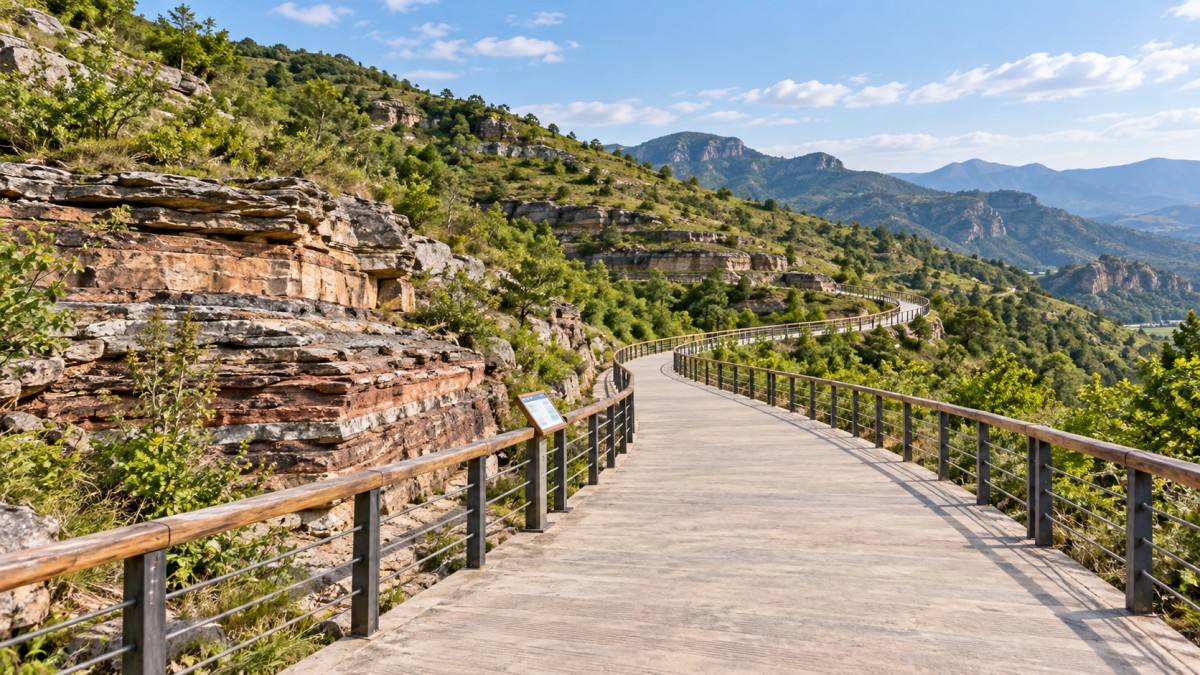
School grade can be a guide, but it cannot replace an assessment of physical fitness. Before signing up, think about how your child usually handles walking, climbing stairs, and outdoor activities: Do they often need to be carried? Can they express when they feel tired? Are they willing to follow group rules?
Younger children are better suited to learning about rocks through their colors, shapes, and textures. Activities should be simple, and observation sessions should not be too long. For older children, you can add topics such as comparing rock layers and water erosion, but there is no need to use complex terminology or pack in explanations just to “learn more.”
If your child is interested in rocks, dinosaurs, or caves but dislikes long walks, you could start with a combination of a geological museum visit and a short outdoor observation. Interest does not necessarily mean sufficient stamina, so allow for breaks at any time on a first outing.
If your child has recently been ill, is feeling unwell, or has a health condition that affects physical activity, first assess whether the outing is appropriate and consult a doctor if necessary. Let the organizer know about any relevant needs when booking so they can determine whether the route and care arrangements are suitable.
What details determine whether a route is suitable for elementary school students?
Do not rely only on labels such as “family-friendly” or “educational.” Ask for a detailed itinerary. Check the actual walking distance, total elevation gain, number of steps, trail conditions, and the locations of restrooms, water refill points, and places to leave the route partway through. Do not judge the difficulty based on promotional photos.
The effort required can vary greatly between a gentle trail and a continuous series of steep steps, even if both are a few kilometers long. Also ask how long the longest continuous walking section is, whether breaks can be taken flexibly, and how far the bus parking area is from the entrance, as these can all add to a child’s physical burden.
The mountains and canyons of Henan can provide opportunities to observe landforms, but that does not mean an entire scenic area is suitable for children. Different routes within the same scenic area may have different difficulty levels. Choose based on what is open that day, the specific sections of the route, and the weather.
For a first geology exploration trip, consider a light half-day experience or a full day focused on just one main observation area. Spending less time traveling between scenic areas leaves more time for observation, questions, and rest, and is usually more suitable for elementary school students than visiting several places in one day.
What children learn depends on how they observe
A valuable geology experience helps children ask questions about what they see. For example, why are rocks different colors? What are the stripes on the rock face? Why are stones by the river rounder? Observing first and explaining afterward is easier to understand than memorizing terms outright.
You can set three simple tasks: find two rocks with different appearances, draw the lines in a rock layer, and record one landform feature related to flowing water. There is no need for standard answers. The goal is for children to describe what they noticed and try to explain the reasons for their conclusions.
Guides should also be able to distinguish observed facts from speculation. For example, an unusual pattern on a rock does not, based on appearance alone, mean that it is a fossil. If a question cannot be answered on site, take a photo and look it up later using reliable sources.
Parents do not need to quiz their children while walking or expect them to remember everything at once. After the trip, ask your child to use photos to explain one discovery or draw an observation card. This can show whether they have made connections and help sustain their interest in exploring.
What safety preparations should not be overlooked?
Choose areas that are officially open and allow visitor access, and follow scenic-area notices and group instructions. Do not leave the trail to see a particular rock formation, or enter abandoned mines, closed caves, or dangerous areas near water. Keep within safe boundaries when taking photos, too.
Check the destination’s weather, alerts, and scenic-area announcements before setting out. For canyon and mountain routes in particular, pay attention to risks such as rain and falling rocks. If an area is closed or the weather is unfavorable, change or cancel the relevant activities; do not make the decision based only on whether it is sunny at your starting point.
Essential equipment includes well-fitting, non-slip athletic shoes, an appropriate amount of drinking water, sun protection, and a portable raincoat or umbrella. Adjust clothing to the season. Keep children’s backpacks light, and have parents bring any necessary medication after checking how it should be used and stored.
Observing rocks does not mean breaking them or collecting samples. For a regular family outing, looking, drawing, and taking photos are appropriate. Do not climb rock faces, take specimens, or damage landforms. If tools are used in an activity, confirm that the site permits it and that professional guidance, eye protection, and adequate spacing between participants are provided.
Before booking, clarify the costs and group arrangements
First confirm who will provide the tour guide service, who will explain the geology, and whether they have experience giving explanations to elementary school students. Licensed tour guides and staff with geological knowledge have different responsibilities. Do not judge the quality of a program solely by promotional claims that it is “led by experts.”
Ask about group size, staffing, whether parents must accompany children throughout the trip, and how the organizer handles a child falling behind or feeling unwell. Staffing should suit the children’s ages, the terrain, and the activities. Also confirm emergency contact arrangements and where to seek nearby medical care.
Check whether the quoted price includes transportation, admission tickets, interpretation, meals, materials, and insurance-related costs. Understand the insurance coverage and exclusions. Before paying, check what happens if the route changes, the activity is canceled due to weather, or an individual withdraws.
When choosing a local Henan service provider, you can tell Henan Letu Travel Agency Co., Ltd. your child’s grade, typical fitness level, interests, and travel dates, and discuss local ground services or a customized family trip. Specific routes, interpretation arrangements, and costs are subject to confirmation and the contract.
Use three conditions to decide whether it is suitable
It is more prudent to book only when your child is willing to take part and is in suitable physical condition, the route’s difficulty matches their everyday fitness level, and the organizer can clearly explain the interpretation, safety, and emergency arrangements. If any information is unclear, it is worth checking further.
The value of a geology exploration trip does not have to be measured by how far you walk or how many terms you remember. For an elementary school student, carefully observing a rock in a safe, well-managed setting, asking a question, and wanting to keep looking for an answer already makes for a worthwhile trip.