



If a thunderstorm strikes while you are camping on the grasslands, your tent is not a safe shelter. Stop all activities as soon as you hear thunder and get inside a sturdy, enclosed building or a hard-topped, enclosed vehicle as quickly as possible. Do not wait until heavy rain begins to leave, and do not delay seeking shelter to pack up your gear.
The grasslands offer wide-open views but often lack reliable shelter, and thunderstorms may also bring strong winds, hail, and flooding. Before setting out, confirm your evacuation route and safe shelter locations. This is more important than looking for somewhere to escape the rain at the last minute. Make arrangements in advance, especially when traveling with children or older adults.
What should you do first when you hear thunder?
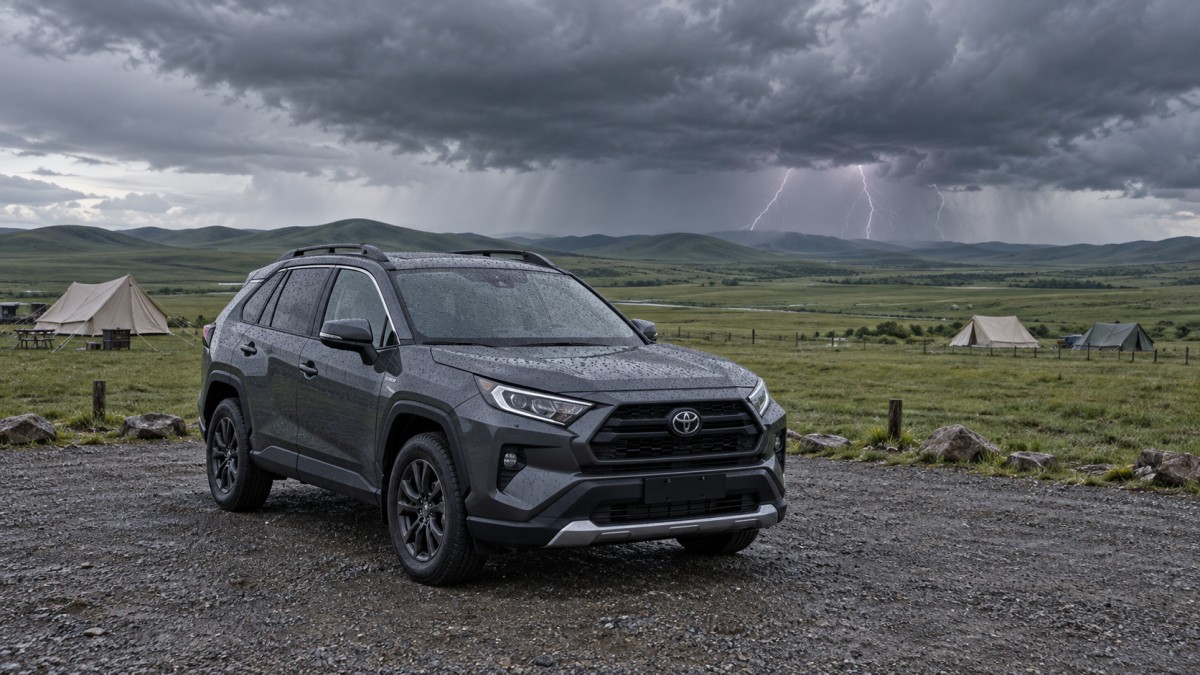
Stop taking photos, flying kites, riding horses, or pitching tents immediately, and alert everyone in your group to evacuate together. If you can hear thunder, lightning already poses a threat. You do not need to wait until you see a flash overhead, and you should not use the fact that it has not started raining as a measure of safety.
While evacuating, take only essential belongings such as your phone and necessary medication. Do not spend time taking down tarps, packing chairs, or sorting luggage. If you are using long items such as trekking poles or fishing rods, stop carrying them upright. Do not delay getting to a safe place to move your gear.
If you have a group leader, follow the planned route and take a head count promptly. If traveling independently, go directly to a shelter location you confirmed in advance. Adults should supervise children. Make sure no one sets off alone or returns to the campsite to retrieve belongings, which could expose them to danger again.
If you encounter significant flooding, rising water in a channel, or a blocked road while evacuating, do not try to wade through the water or drive across a flooded road. Contact the campsite staff promptly and tell them your location and how many people are with you. Call the local emergency services number if necessary.
Where can you take shelter from lightning: a tent, a campsite pavilion, or a car?
Ordinary tents, tarps, and sun shelters provide only limited protection from rain and are not safe places to shelter from lightning. Whether the tent poles are metal and whether the tent is waterproof do not change this. Staying in a tent to wait out a storm will only prolong your exposure.
Choose a sturdy, enclosed building with lightning protection, such as an official visitor center or campsite service building. An isolated pavilion, open-sided shelter, basic toilet block, or temporary prefabricated building without confirmed lightning protection should not be relied on as a safe shelter.
If there is no suitable building nearby, get inside a hard-topped, fully enclosed vehicle and close the windows. Avoid touching exposed metal parts inside the vehicle. Protection comes mainly from the metal body, not the tires; convertibles and open-sided tour vehicles are not suitable.
Park away from isolated trees, utility poles, billboards, and low-lying areas where water may collect. If you are already parked safely, stay inside the vehicle and wait. Do not resume driving just to get back to a hotel when wind, rain, or standing water makes visibility or road conditions hazardous. Follow any instructions from traffic control personnel.
How can you reduce the risk if you cannot reach a safe shelter right away?
First, remember that no outdoor location is completely safe during a thunderstorm. If you cannot get inside a building or vehicle immediately, keep looking for a reliable shelter you can reach. Stay away from ridges, hilltops, isolated tall objects, fences, and water, and minimize the time you spend exposed outdoors.
Do not shelter under the only large tree on the grassland, and do not wait for the rain to stop beside a utility pole, metal railing, or the outside of a vehicle. Lightning can injure people through side flashes, contact, and ground currents. You do not have to be struck directly by lightning to be in danger.
When moving, take a route away from prominent tall objects and, where possible, along relatively low ground that is not flooded. Do not enter gullies, dry riverbeds, or drainage channels. Water can collect in low areas, so do not seek shelter in places at risk of flash flooding or sudden rises in water level.
If you can stay in contact and supervise children, spread out appropriately rather than crowding together. Do not lie flat on the ground, and do not rely on crouching or sitting on a sleeping pad as a safe way to avoid lightning. These measures are no substitute for leaving the exposed area promptly.
Can you return to your tent as soon as the rain stops?
Do not judge safety solely by whether the rain has stopped. Wait at least 30 minutes after the last thunder before considering a return to outdoor activities. If you hear thunder again during that time, start the timer over. Lightning can occur outside the area where it is raining, so stay alert even when the skies clear.
While waiting, continue to monitor weather alerts and campsite announcements. Once indoors, stay away from doors and windows, and avoid showering, touching water pipes, or using equipment connected to a power outlet. Checking weather alerts on a phone that is not connected to a charging cable is not a major lightning risk.
Before returning, check whether the tent poles, stakes, or nearby trees have been damaged, and look for standing water, downed power lines, or other hazards at the campsite. Cancel the night's camping plans if campsite facilities are damaged, evacuation routes are blocked, or the forecast still calls for severe thunderstorms.
What should you do if someone is struck by lightning?
A person struck by lightning does not retain an electrical charge, so it is safe to touch and assist them. First check that the scene is safe, with no ongoing lightning threat or fallen power lines. Call 120 immediately and provide the precise location, access route, number of injured people, and their level of consciousness and breathing status.
If the person is unresponsive and not breathing normally, begin CPR immediately as directed by the emergency dispatcher, and obtain an automated external defibrillator (AED) as soon as possible. Follow the device's voice instructions. Do not delay assistance out of fear that the person could pass an electric shock to you.
If the person is breathing normally, keep monitoring their consciousness and breathing, keep them warm, and avoid moving them unnecessarily. Help them move if there is an ongoing danger at the scene. Even if they are conscious and have no obvious injuries, they should receive medical evaluation as soon as possible.
What should you ask before setting out to avoid confusion in an emergency?
Before booking a grassland camping trip, ask whether the campsite has an enclosed shelter that can accommodate guests, how far it is from the camping area, whether it can be accessed at night, and how shuttle vehicles will be arranged. Be cautious about choosing a campsite that has only tents and tarps and cannot clearly explain its evacuation plan.
Check official weather forecasts and alerts for lightning and severe thunderstorms before departure and on the day of your activity, and enable weather notifications. Do not rely only on the daily probability of rain. Adjust your plans if the campsite requires an evacuation, the scenic area closes, or roads are restricted.
For customized trips with family or a group, also confirm in advance how accommodation, transportation, and costs will be handled if camping is canceled. Asking your travel service provider these specific questions will help you assess whether the trip is well prepared more effectively than simply asking, “Can we still have fun if it rains?”


