Welcome to Our Travel Agency!




News and Updates
2026 Shanghai International Flower Festival Launches Export White List Mechanism for Non-Heritage Famous Products
Introduction
On April 8, 2026, the Shanghai International Flower Festival announced a pilot mechanism for the 'Non-Heritage Creative Export White List,' providing fast-track customs clearance for co-branded products authorized for production under national-level intangible cultural heritage projects. This initiative will directly impact manufacturers of cultural tourism derivative products, cross-border trade enterprises, and supply chain service providers, marking a new phase of policy support for the overseas expansion of China's intangible cultural heritage products.
Event Overview
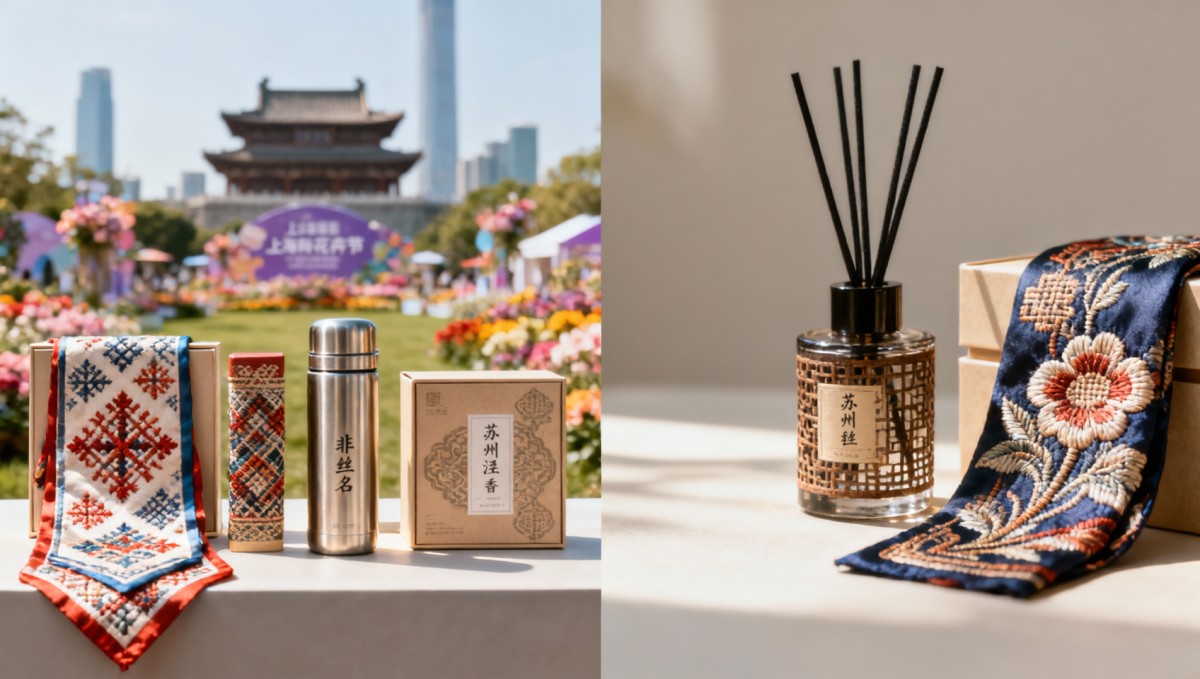
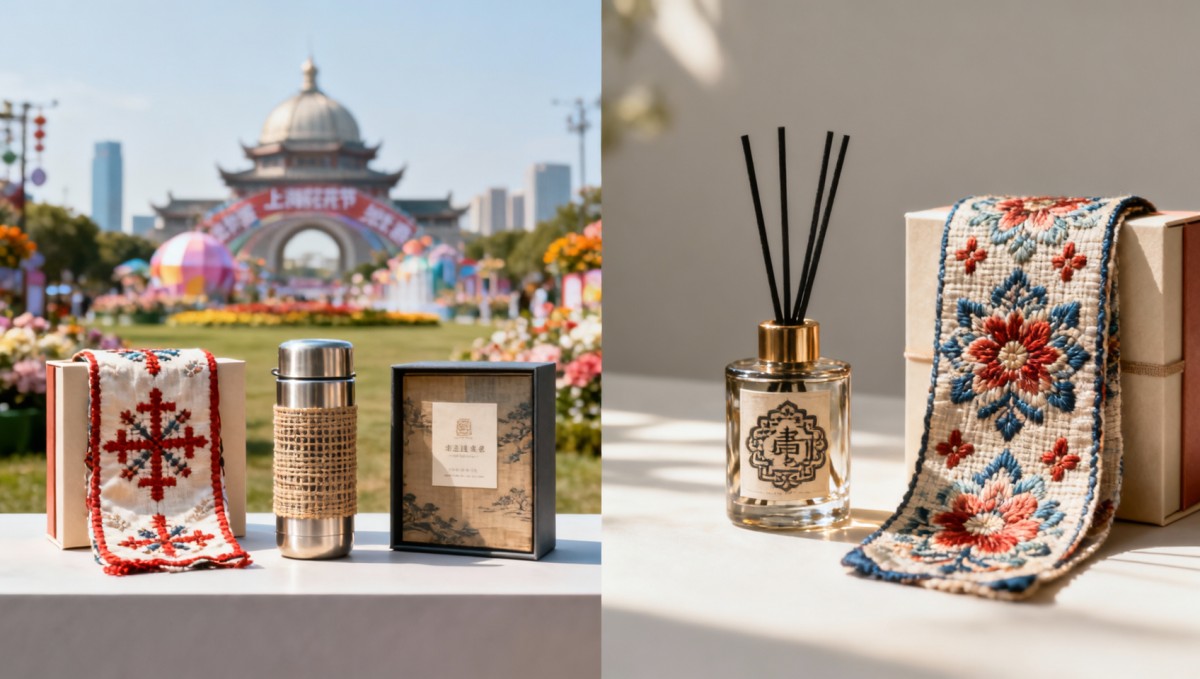
On April 8, 2026, the Shanghai International Flower Festival officially launched the pilot 'Non-Heritage Creative Export White List' mechanism. This mechanism covers co-branded products such as the Baoshan Luojing cross-stitch and Suzhou embroidery, which are authorized under national-level intangible cultural heritage projects, including thermos cups, silk scarves, and incense sachets. After exhibition certification, these products can enjoy green channel benefits in RCEP member countries, with customs clearance times compressed to within 48 hours and exemption from certain inspection and quarantine items.
Impact on Key Sub-Sectors
Cultural Tourism Derivative Manufacturers
Authorized non-heritage producers will gain direct export benefits but must accelerate capacity and certification standard alignment. Co-branded product production cycles and material selections must comply with target market access requirements.
Cross-Border Trade Enterprises
Importers in RCEP regions can bulk-purchase high-recognition cultural tourism companion gifts but need to reassess the balance between procurement costs and logistics efficiency.
Supply Chain Service Providers
Customs declaration, inspection, and quarantine service providers must adjust operational processes to establish rapid response mechanisms for white-listed goods.
Key Focus Areas for Relevant Enterprises
Certification Updates
Closely monitor newly added non-heritage projects and co-branded category expansions, and promptly obtain authorization filing information.
Southeast Asia Market Access
Focus on regulatory requirement changes for cultural and creative product imports in countries like Indonesia and Malaysia.
Supply Chain Responsiveness
Establish 48-hour emergency customs clearance protocols and pre-negotiate partnerships with certified logistics providers.
Industry Perspective
From an industry standpoint, this mechanism should currently be interpreted as a policy signal. Actual trade facilitation levels will depend on subsequent customs implementation details and RCEP member countries' alignment progress. Immediate attention should focus on whether production reserves of leading non-heritage projects like Suzhou embroidery can meet cross-border procurement demand.
Conclusion
This white list mechanism establishes a regional testing channel for China's non-heritage derivatives going global, but enterprises must rationally evaluate the balance between policy dividends and market risks. Relevant parties are advised to prioritize analyzing actual customs clearance data for the first batch of pilot products before formulating medium-to-long-term market strategies.
Source
Shanghai International Flower Festival Committee Announcement (April 8, 2026)
Note: Specific implementation details in RCEP member countries require ongoing observation.
Popular destinations
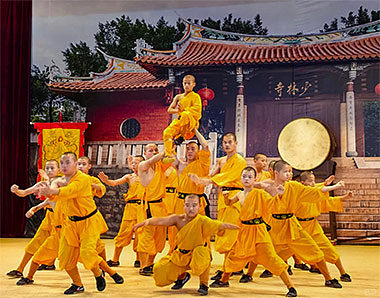
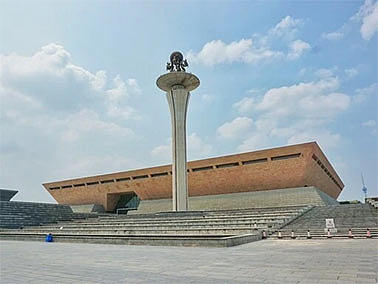
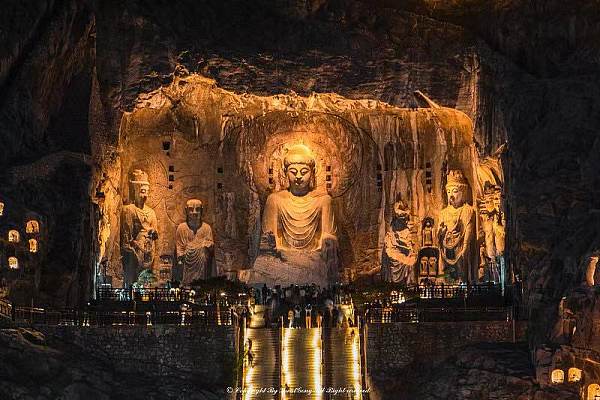
 Luoyang Longmen + Shaolin Kung Fu JourneyLongmen Grottoes are the imperial memories carved in stone, while Shaolin Temple embodies the Zen philosophy of martial arts life.
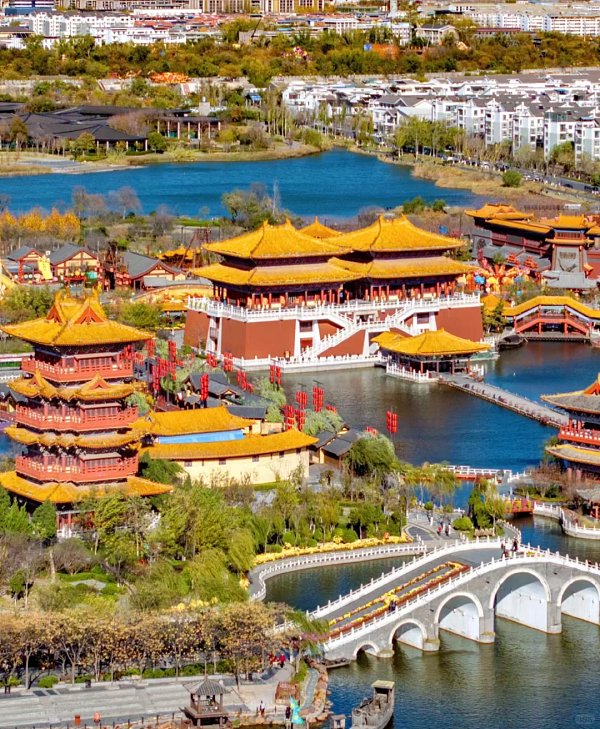
 Kaifeng One-Day Highlights TourKaifeng is an ancient city located in eastern Henan Province, China, renowned as the 'Capital of Eight Dynasties' and 'Living Northern Song Culture'.
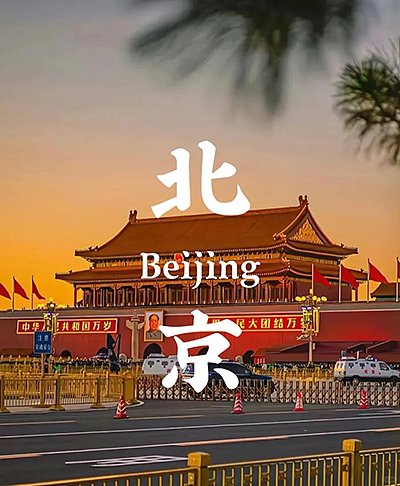
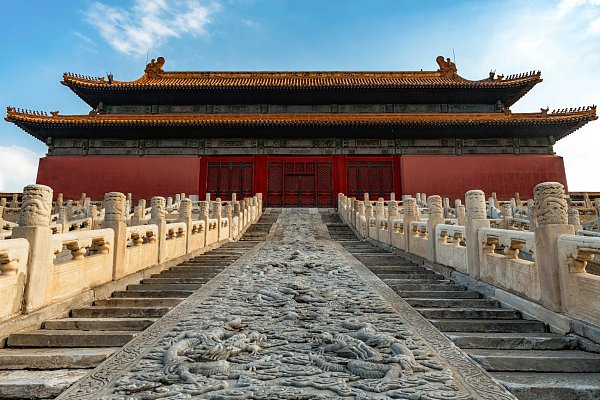
 Beijing Essence Two-Day TourBeijing is the window to history, where you can witness authentic historical relics like the Forbidden City, the Great Wall, and the Temple of Heaven. It is the cultural heartland—ride a rickshaw through the hutongs to experience traditional Beijing life, or visit Wangfujing and Sanlitun to immerse yourself in modern China's fashion and vibrancy. It is also a foodie's paradise, offering Peking duck and street snacks that rival imperial cuisine, satisfying every palate.
") Luoyang Essence One-Day Tour (customized tour, peony viewing in April)Find the Root · A one-day journey back to the Divine Capital. On this day, we are not just serving as guides, but helping you return as a "native of old Henan".
Luoyang Essence One-Day Tour (customized tour, peony viewing in April)Find the Root · A one-day journey back to the Divine Capital. On this day, we are not just serving as guides, but helping you return as a "native of old Henan".") Luoyang Leisure Two-Day Tour (Customizable Tour in April to View Peonies)To inquire about the rise and fall of ancient and modern affairs, just look at Luoyang City."
Luoyang Leisure Two-Day Tour (Customizable Tour in April to View Peonies)To inquire about the rise and fall of ancient and modern affairs, just look at Luoyang City."
Some say Luoyang is a city favored by time.
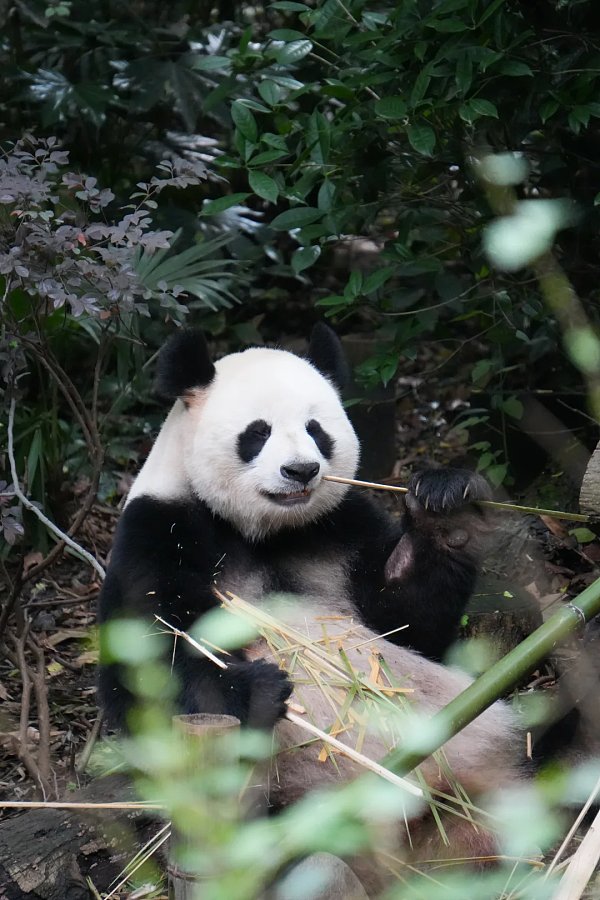
She is not the kind of stunning beauty that captivates at first glance. Her charm lies hidden—in the subtle smile of the Great Buddha of Longmen Grottoes, carved with devotion by artisans of Empress Wu Zetian's era. That smile, exuding compassion, predates the Mona Lisa by a thousand years. Chengdu RouteChengdu, hailed as the 'Land of Abundance' for leisure, is also the hometown of giant pandas, where you can get up close to admire the 'national treasures' in their natural charm. The city's core allure lies in its unique 'slow-living' aesthetic: the aroma-filled streets of hotpot skewers, the time-honored old teahouses, and the inclusive atmosphere that perfectly blends modern fashion with the hustle and bustle of urban life, making visitors reluctant to leave.
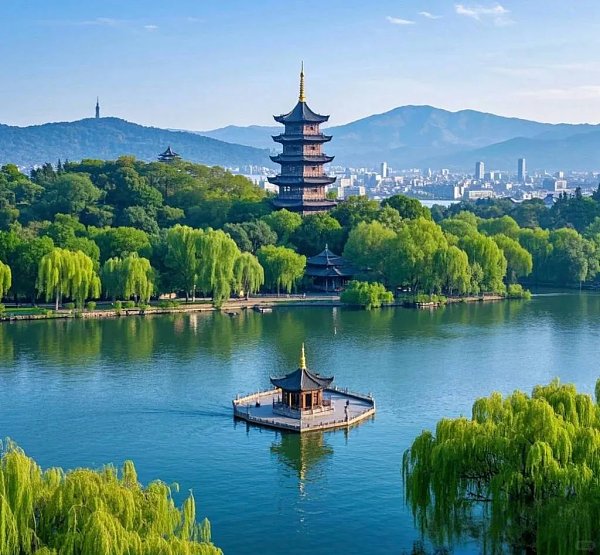
 Hangzhou RouteHangzhou is known as 'Heaven on Earth,' a perfect blend of traditional Jiangnan charm and modern technology. The magic of Hangzhou lies in the fact that one moment you can be listening to the bell chimes of a thousand-year-old temple, and the next, you can be sipping premium coffee in a modern shopping mall.
 Xi'an Tour RoutesChang'an One-Day Journey Through a Thousand Years
 Family-friendly travel itinerary 2Standing at the 'center of the world,' deepen the knowledge from books and broaden the horizons through travel.
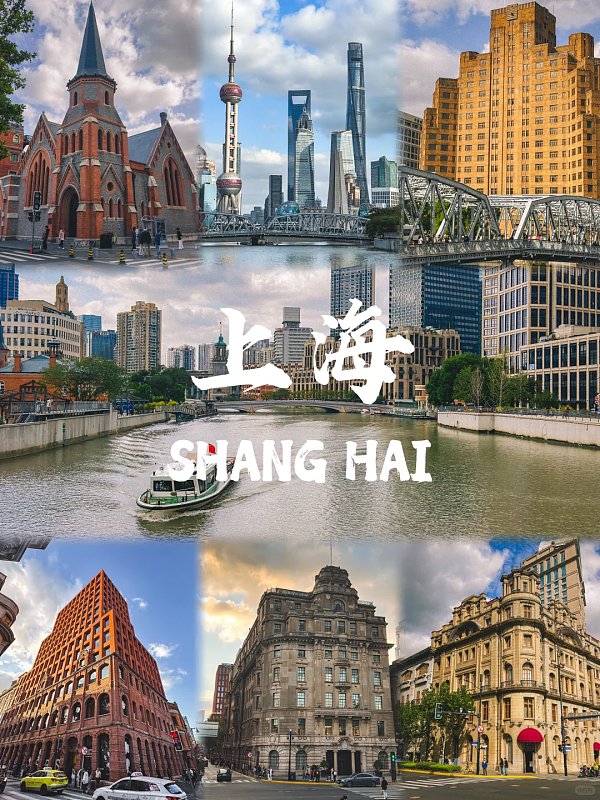
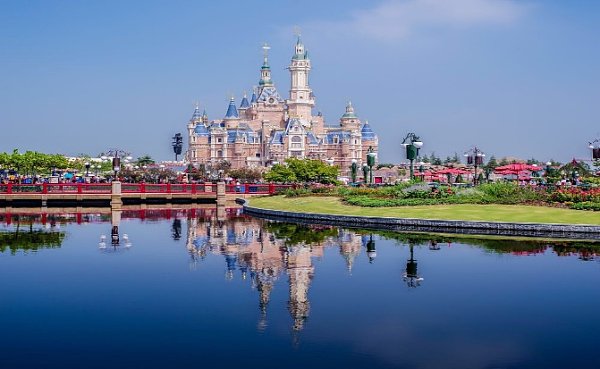
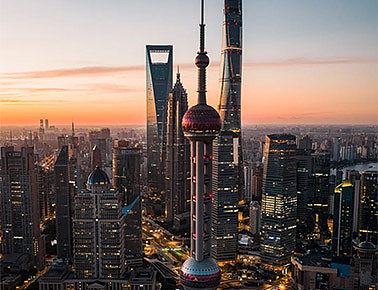
 Shanghai Research Summer CampShanghai is China's economic, financial, trade, and shipping hub, a cosmopolitan metropolis that blends modern prosperity with profound historical heritage. Here, you can find both the century-old charm of the Bund and the lively atmosphere of Old Town, as well as the skyscrapers of Lujiazui and world-class cultural tourism experiences.
 Study Tour Travel ItineraryGoing to Shanghai for a study tour is, simply put, a 'walking classroom,' with the core meaning being to closely connect textbook knowledge with real-life experiences.
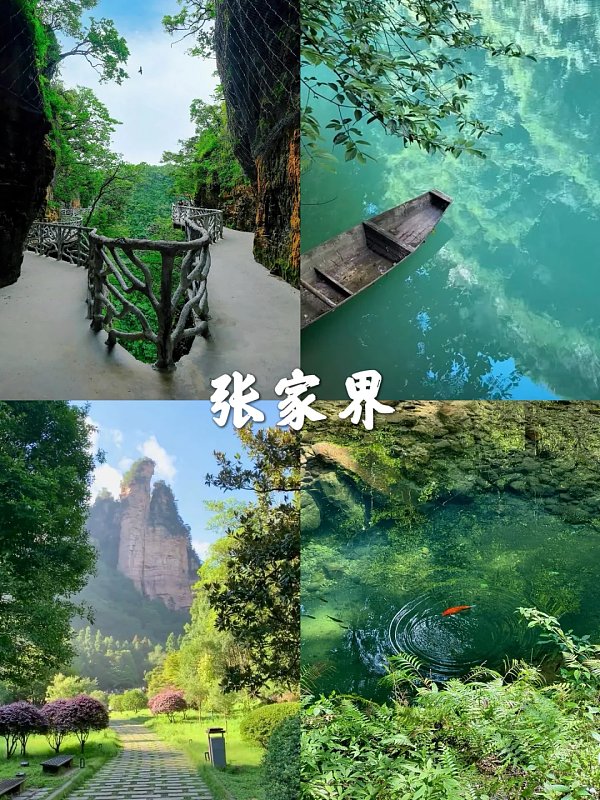
 Zhangjiajie and Fenghuang Ancient Town 4-day 3-night leisure tourZhangjiajie is a miracle of mountains when you look up, while Fenghuang Ancient Town is a hometown of water when you look down. Two places, two kinds of China.
 Beijing Essence Customized 5-Day Pure Play TourBeijing Essence 5-Day Pure Play Customized Tour, with private car transfers to visit world cultural heritage sites such as the Forbidden City, the Great Wall, and Tiananmen Square. Experience Hutong culture, enjoy a shopping-free itinerary, and benefit from multilingual guide services for a private and exclusive travel experience.
 Shanghai + Suzhou + Wuzhen 6-Day Custom TourImmersive Experience of Jiangnan's Scenic Beauty~
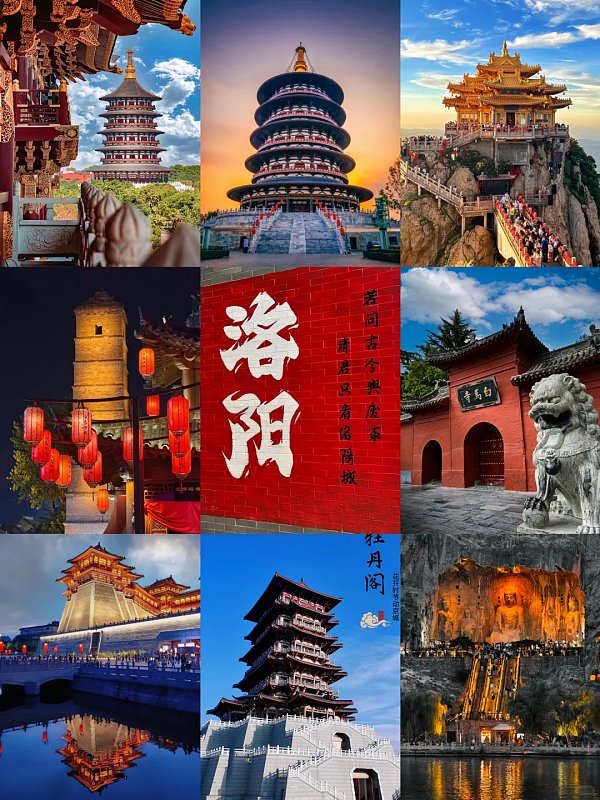
") 4 Days & 3 Nights Customized Tour in Luoyang (Peony Viewing Available in April)This city, known as the 'Ancient Capital of Thirteen Dynasties' and the 'Divine Capital', is engraved with the historical and cultural imprint of the 'Earliest China'.
4 Days & 3 Nights Customized Tour in Luoyang (Peony Viewing Available in April)This city, known as the 'Ancient Capital of Thirteen Dynasties' and the 'Divine Capital', is engraved with the historical and cultural imprint of the 'Earliest China'.
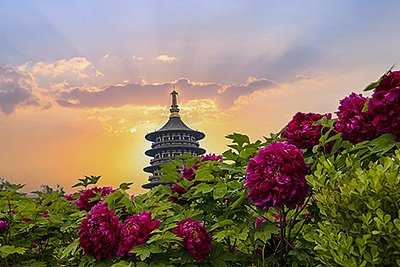
"Only the peony is truly the nation's beauty, blooming in season to move the capital." In 1982, Luoyang designated the peony as its city flower, and every April, it hosts the China Luoyang Peony Culture Festival.
Symbolic meaning: The king of flowers, representing wealth, prosperity, and auspiciousness. 5-Day In-Depth Xi’an TourThe ancient capital of thirteen dynasties, one of the world’s four great ancient capitals, and the starting point of the Silk Road, Xi’an is also the hometown of “glorious Chang’an in the Tang dynasty” in the hearts of overseas Chinese.
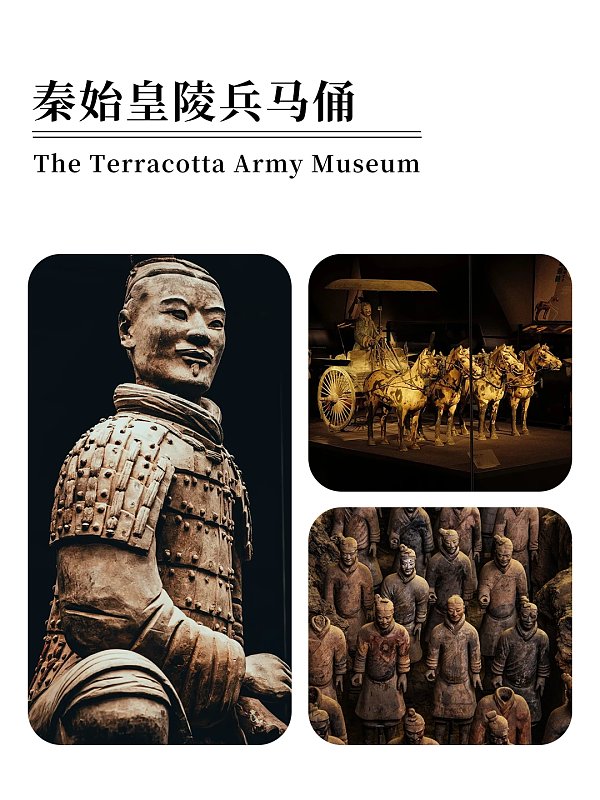
Here you’ll find the Terracotta Army, known as the Eighth Wonder of the World; China’s best-preserved Ming dynasty city wall; the Giant Wild Goose Pagoda, where Xuanzang translated Buddhist scriptures; and the dreamlike Grand Tang Mall, dazzling at night. Go Wild for Spicy Flavors--Mount Emei Leshan Chengdu City Small Private Group TourThoughtful customization:A relaxed itinerary with no early wake-ups, no rush packing, no crowds, and no noise Enhances travel comfort
VIP courtesy:24-hour private car pickup and drop-off at stations all day VIP sign-holding station-entry service No shared orders and 0 waiting inside the station
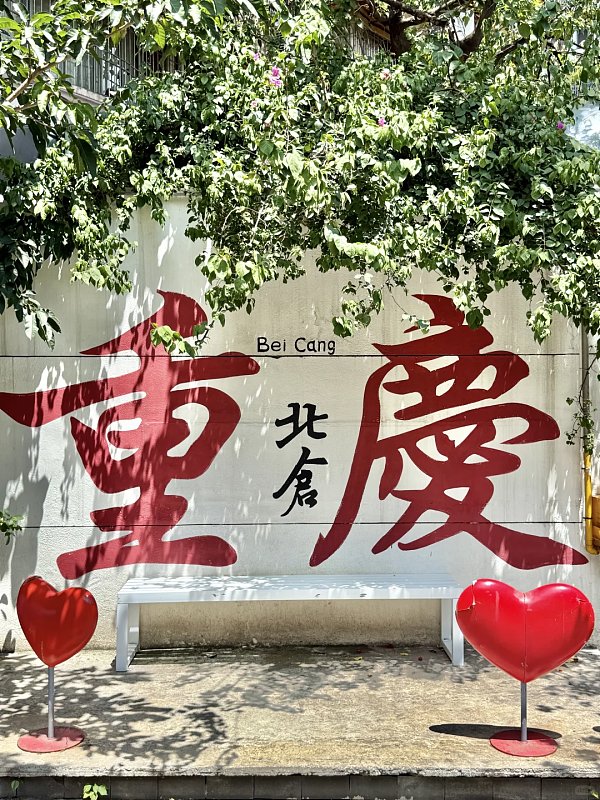
Dedicated service:Carefully selected local experienced drivers who also serve as guides One role with multiple skills 24-hour real-person travel butler throughout the trip ChongqingThis "8D magical mountain city" of Chongqing really makes you not want to leave once you arrive! The hot pot is fragrant, the light rail passes through buildings, and the night view is cyberpunk-level stunning, with street-life charm and a futuristic vibe wonderfully blended together. You might get lost on your first visit, but it is definitely worth taking your time to explore ~