



Two to three full days in Luoyang are enough for most first-time visitors to explore its major sights, including Longmen Grottoes, White Horse Temple, and Luoyang Museum.
But how much time should you allow for ancient streets, local food, and a relaxed pace? The right itinerary depends on your interests and arrival time.
Your travel season also matters, especially during the spring peony bloom. This guide explains what you can realistically see in one, two, or three days.
You will also learn when to add extra time, how to group attractions, and which practical arrangements help you spend less of your visit in transit.
Choose two days for the essentials, three days for a comfortable introduction, and four or more if you want excursions beyond Luoyang’s main urban sights.
Count usable sightseeing days rather than hotel nights. Arriving late on Friday and leaving early on Sunday gives you only one full day to explore.
What makes two or three days the right amount of time?
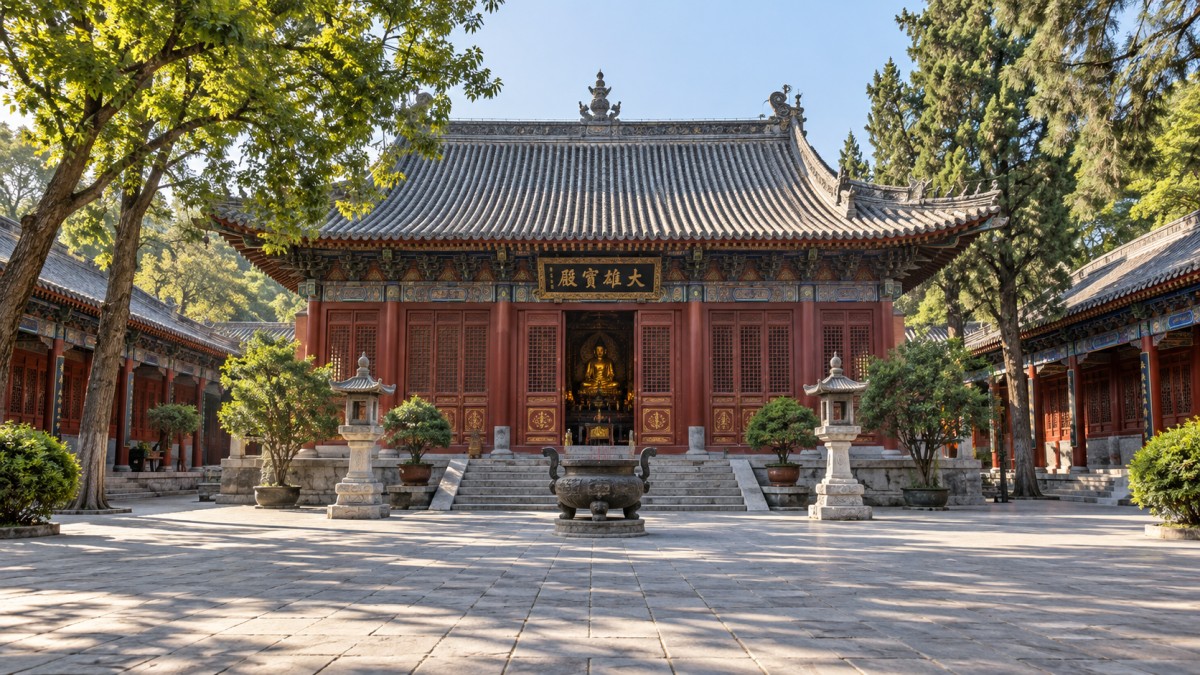
Luoyang’s principal attractions offer different experiences: Buddhist sculpture at Longmen, religious history at White Horse Temple, archaeological collections at the museum, and everyday life around older streets.
They are also spread across different parts of the city. A short-looking sightseeing list can still involve substantial transfers, entrance procedures, walking, and meal breaks.
Two days work when you prioritize these major sights and accept a fairly organized schedule. Three days provide breathing room without requiring additional major attractions.
That extra day becomes particularly useful for families, older travelers, photographers, and anyone who prefers reading museum displays or exploring temple grounds without watching the clock.
For planning purposes, allow roughly half a day for Longmen, two to three hours for White Horse Temple, and about two hours for Luoyang Museum.
These are flexible sightseeing allowances rather than guaranteed visit lengths. Your walking speed, chosen route, queues, and interest in individual collections can change them considerably.
Only one day in Luoyang? Make Longmen your priority
With one full day, begin with Longmen Grottoes. Its Buddhist carvings and riverside setting make it the strongest single introduction to Luoyang for many first-time visitors.
Reserve your morning for the grottoes and avoid scheduling another attraction immediately afterward. Walking between entrances, viewpoints, and exits takes time beyond viewing the carvings.
The site includes steps and exposed outdoor areas. Comfortable footwear, drinking water, sun protection, and realistic expectations about walking will make the visit much more enjoyable.
After lunch, choose one additional experience according to your interests. Visit Luoyang Museum if its opening schedule permits, or keep the afternoon for slower urban exploration.
Spend the evening around the old city, such as Lijing Gate and nearby streets. Allow time for dinner, browsing, and enjoying the atmosphere after dark.
Trying to add White Horse Temple to this schedule usually creates too much rushing. Save it for a longer stay unless another major stop is removed.
If your single day includes a train arrival or departure, reduce the plan further. Longmen plus one relaxed meal can still make a worthwhile short visit.
How to see Luoyang’s major sights in two days
Day one: Longmen Grottoes, Luoyang Museum, and an optional evening walk
Start at Longmen and give the visit most of the morning. An earlier start can help with heat and scheduling, although busy dates still attract crowds.
Keep lunch flexible rather than committing to a distant restaurant. The practical goal is to reach the museum with enough time before its last admission.
Spend the afternoon at Luoyang Museum, focusing on the collections that interest you most. Check current opening days, reservation requirements, and identification rules before finalizing this sequence.
If the museum is closed on your planned date, swap the two days or replace that afternoon with an old-city visit and another available attraction.
An evening walk is optional after this combination. Travelers arriving the previous night may enjoy it; families with tired children may prefer dinner near their hotel.
Day two: White Horse Temple, local food, and the old city
Dedicate the morning to White Horse Temple, east of central Luoyang. Its setting rewards a slower visit, especially if Buddhist history is a central interest.
Allow for the journey back before arranging lunch or afternoon activities. Check your actual hotel location and transport route instead of relying on citywide travel estimates.
Use the afternoon for whichever experience you missed: old-city streets, a cultural attraction, or a seasonal garden. Keep just one additional substantial stop in the schedule.
For food, try local beef soup or consider a Luoyang water banquet. Ask about portion sizes before ordering, particularly when traveling alone or as a couple.
A water banquet can become a substantial dining experience. If you want several dishes, reserve enough time and choose a meal format suited to your group.
Travelers seeking help arranging these priorities can consider the Luoyang Leisure Two-Day Tour (Customizable Tour in April to View Peonies) when comparing options for their visit.
Before booking, confirm the proposed sightseeing order, walking demands, transport arrangements, and inclusions. In April, ask which garden visit fits your dates and the current bloom.
Why three days often make a better first visit
Three days let you separate the main attractions instead of combining two substantial visits. This usually creates a more enjoyable balance between history, meals, and rest.
On day one, visit Longmen Grottoes and leave the afternoon flexible. You can recover from travel, explore your neighborhood, or enjoy a leisurely dinner afterward.
On day two, visit Luoyang Museum and explore the old city. This pairs historical context with street-level exploration while keeping the day adaptable to museum availability.
On day three, visit White Horse Temple and add one optional stop. During peony season, that might be a garden; otherwise, choose according to your interests.
Use this structure as a starting point rather than a fixed sequence. Opening schedules, arrival times, and hotel location should determine the final order of visits.
The third day also provides flexibility if rain affects outdoor sightseeing. Move the museum to the wetter period where opening hours and reservations make that possible.
For travelers with children or limited stamina, the extra time supports later starts and longer breaks. It does not remove the walking demands at individual sites.
Should you add time for peonies, Shaolin Temple, or Mount Laojun?
Peony season: allow room for crowds and changing bloom dates
April is closely associated with Luoyang’s peony displays, but flowering depends on weather, varieties, and garden conditions. A particular travel date cannot guarantee peak blooms.
If flowers are a major reason for your trip, three days are more comfortable than two. Reserve a half-day for a garden and its transfers.
Check current flowering reports before selecting your garden, and book accommodation early for popular dates. Weekends and public holidays can increase demand and waiting times.
Shaolin Temple: treat it as a regional excursion
Shaolin Temple is near Dengfeng and requires a separate journey from Luoyang. Allocate a full day rather than treating it as another short urban stop.
A four-day trip can combine three days in Luoyang with a Shaolin excursion. Depending on your onward route, an overnight stay elsewhere may also make sense.
Mount Laojun: account for the journey and mountain conditions
Mount Laojun lies well beyond central Luoyang and needs dedicated planning. Road travel, cableway queues, weather, and your intended walking route all affect the schedule.
A long day trip may be possible with suitable arrangements, but an overnight extension can reduce pressure. Assess it separately from your essential Luoyang sightseeing days.
What practical details can change your itinerary?
Your arrival station and hotel location
Check whether your train uses Luoyang Longmen railway station or Luoyang railway station. They are different stations, and the distinction matters when estimating your available sightseeing time.
A hotel near restaurants and useful transport connections can simplify evenings. Compare actual journeys to your planned attractions rather than choosing accommodation from its district name alone.
Leave a sensible departure buffer for luggage collection, traffic, station security, and boarding procedures. A tightly packed final afternoon can make an otherwise relaxed trip stressful.
Reservations, identification, and transport
Confirm ticket arrangements through official attraction channels or your travel provider before departure. Requirements can change, and international visitors should check how passport-based reservations are handled.
Public transport can suit independent travelers with flexible schedules. Taxis or arranged vehicles may simplify transfers for families, larger groups, and visitors with limited available time.
Choose transport after grouping your attractions geographically. A private vehicle helps with transfers, but it cannot eliminate queues, walking distances, or the need for rest.
Henan Le Journey Travel Agency Co., Ltd., based in Luoyang, can help coordinate transport, accommodation, ticket reservations, and guides around your group’s interests and preferred pace.
For any tailored itinerary, request clear inclusions, realistic transfer allowances, and an agreed sightseeing schedule. Discuss mobility needs and dietary preferences before the arrangements are finalized.
How many days should you book?
Book two full days if your priority is seeing Luoyang’s main sights efficiently. Choose three if you want a more comfortable pace, peonies, or additional flexibility.
One day works best as a focused introduction centered on Longmen Grottoes. Four or more days become worthwhile when adding regional destinations or pursuing deeper cultural interests.
Before booking, check your usable arrival and departure hours, museum availability, and seasonal priorities. Those details determine whether two days feel sufficient or three feel right.


