Welcome to Our Travel Agency!




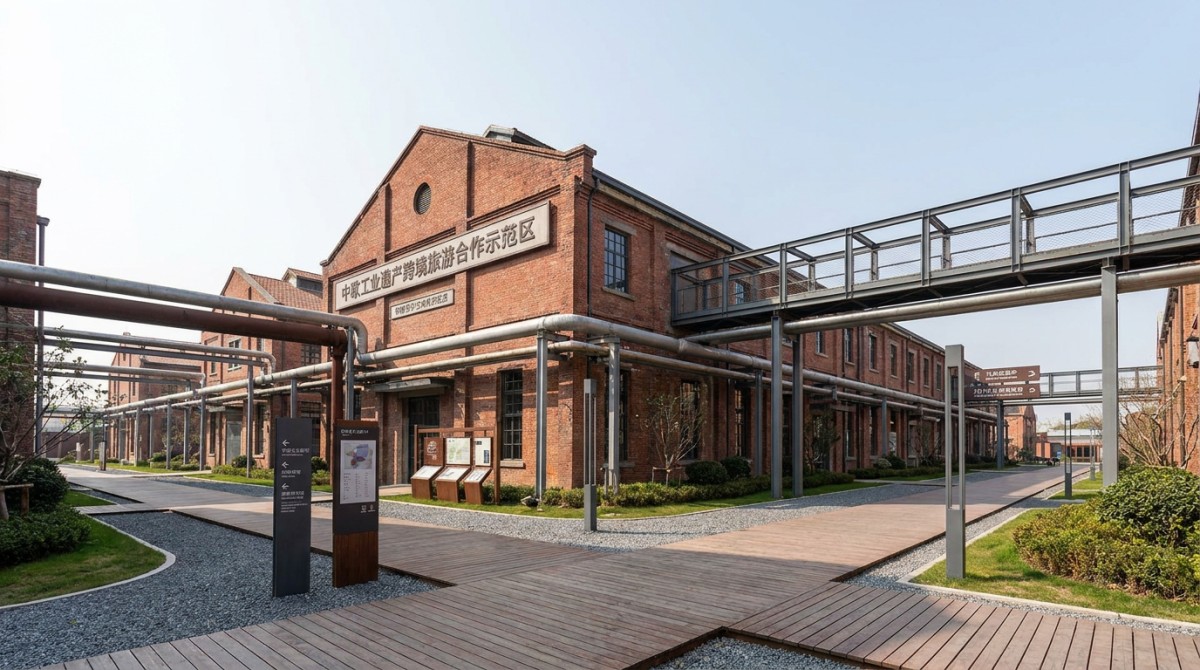
On May 29, 2026, the Ministry of Culture and Tourism and six other departments jointly issued the Guiding Opinions on Promoting the Inheritance of Industrial Culture and the High-quality Development of Industrial Tourism, for the first time incorporating the status of industrial heritage protection into the review system for A-level tourist attractions and the qualification evaluation system for cultural and tourism service exports. For industrial tourism, industrial heritage-themed cultural tourism, cross-border cultural tourism service exports, as well as customized study tour groups for the European and American, Japanese, and Korean markets, cultural heritage-themed charter groups, and B2B cultural tourism equipment and service export enterprises, this policy is no longer merely a development orientation for cultural tourism, but is also being transformed into more specific compliance access requirements and key points of attention for contract performance, and is therefore worth continuous follow-up by relevant industries.
Event Overview
According to publicly available information, on May 29, 2026, the Ministry of Culture and Tourism and six other departments jointly issued the Guiding Opinions on Promoting the Inheritance of Industrial Culture and the High-quality Development of Industrial Tourism. This document explicitly includes the status of industrial heritage protection in the review system for A-level tourist attractions and the qualification evaluation system for cultural and tourism service exports for the first time.
Based on the information currently available, this adjustment will directly affect the compliance access and contract performance standards of customized study tour groups and cultural heritage-themed charter groups targeting the European and American, Japanese, and Korean markets, as well as B2B cultural tourism equipment and service export enterprises. At this stage, the key point that can be confirmed is that “industrial heritage protection” has moved from a development issue into evaluation and qualification-related procedures.
Which Sub-sectors Will Be Affected
Industrial Tourism Scenic Areas and Industrial Heritage Operators
These entities will be affected most directly, because the status of industrial heritage protection has been incorporated into the review of A-level tourist attractions. The impact is first reflected in the possibility that, in order to continuously maintain the relevant rating, scenic areas may need to pay greater attention to the consistency among heritage protection presentation, operational management, and external communication; secondly, when undertaking industrial tourism products for external markets, especially overseas markets, the scenic area’s own heritage protection status may become an important basis for partner evaluation.
Customized Study Tour Groups and Cultural Heritage-themed Charter Group Operators
The core reason these companies are affected is that their product content is directly related to “industrial culture”, “heritage experience”, and “overseas customer compliance expectations”. The impact is mainly reflected in two aspects: first, when procuring products and designing itineraries, the verification requirements for the industrial heritage protection status of destinations may become stricter; second, in external contracting, itinerary descriptions, and service delivery, commitments involving industrial heritage content will need to be handled more prudently, so as to reduce performance risks arising from changes in qualifications, reviews, or project conditions.
B2B Cultural Tourism Equipment and Service Export Enterprises
For these enterprises, the impact comes not only from the equipment or services themselves, but also from whether the projects they serve are included in the qualification evaluation scenarios for cultural and tourism service exports. After the status of industrial heritage protection is incorporated into the evaluation system, relevant enterprises may need to respond simultaneously to the compliance background of projects when participating in overseas cooperation, project bidding, solution delivery, or acceptance inspection. The impact is mainly reflected in more complex preliminary business communication, more detailed contract terms, and potentially higher requirements for project document preparation.
Cross-border Cultural Tourism Service Procurement and Channel Partners
Buyers, channel partners, and joint operators targeting the European and American, Japanese, and Korean markets will also be indirectly affected. The reason is that procurement standards are usually adjusted in line with changes in policies and qualification requirements. The impact is mainly reflected in potentially stricter partner screening mechanisms, and increased buyer attention to the stability of scenic area qualifications, the status of industrial heritage protection, and the continuity of product delivery. For channel partners, subsequent product listing, promotional messaging, and cooperation period arrangements may all need to be handled more cautiously.
What Key Points Should Relevant Enterprises or Practitioners Pay Attention To, and How Should They Respond at Present
Continuously Follow Up on Official Wording and Supporting Implementation Standards
What is currently more worthy of attention is that the Guiding Opinions have already released a clear policy signal, but how it will actually be determined, evaluated, and affect reviews and qualifications in practice still requires continued attention to subsequent official statements. Relevant enterprises should give priority to sorting out their existing project lists related to industrial heritage protection, scenic area ratings, and export qualifications, so that they can quickly compare and adjust them once the new requirements are further clarified.
Promptly Review Key Markets and Key Product Lines
For customized study tours, heritage-themed group tours, charter products, and B2B service export projects targeting the European and American, Japanese, and Korean markets, it is recommended to prioritize internal review. Observably, this type of business is more closely related to “qualification evaluation”, “overseas procurement”, and “performance standards”. Enterprises can focus on checking whether there are cases in product introductions, cooperation proposals, scenic area selection, and service commitments where descriptions of industrial heritage content are overstated, but supporting materials are insufficient.
Manage Policy Signals and Actual Performance Risks Separately
From an industry perspective, the release of a policy itself and the immediate restriction of projects are not changes at the same level. It is more appropriate to understand this as enterprises needing to manage both “policy signals” and “contract implementation” simultaneously: one line is to monitor the future direction of changes in qualification evaluation and scenic area reviews; the other is to examine whether signed or pending contracts involve delivery obligations related to industrial heritage protection status, scenic area ratings, and consistency in external publicity. For projects currently under negotiation, it is advisable to set explanatory clauses and adjustment mechanisms in advance.
Improve External Communication and Document Retention in Advance
Analysis shows, such policy changes are often first reflected in partner inquiries, due diligence materials, and project attachment requirements. Relevant enterprises can prioritize preparing explanations of scenic area qualifications, basic materials for project cooperation, external introduction versions involving industrial heritage content, as well as unified wording used when communicating with partners. The significance of doing so is not to expand publicity, but to reduce procurement concerns or performance disputes caused by inconsistent wording.
Editorial Viewpoint / Industry Observation
Observably, the key point of this news is not only that “industrial tourism” has received a new round of policy support, but also that “industrial heritage protection” is beginning to enter evaluation scenarios with stronger constraints. For relevant enterprises, this means that industrial cultural resources are no longer merely product packaging elements, but may gradually become important conditions affecting qualifications, cooperation, and contract performance.
From an industry perspective, this change currently appears more like a clear institutional signal rather than the final result of all business rules having been fully implemented. Its practical significance lies in the fact that cultural tourism products and services targeting overseas markets may subsequently place greater emphasis on the alignment among resource foundations, qualification stability, and publicity compliance.
What is currently more worthy of attention is that the policy signal is already sufficiently clear, and the industry can no longer understand market opportunities merely in terms of “having industrial tourism content”, but needs to simultaneously pay attention to the more specific question of “whether the status of heritage protection will affect scenic area reviews, export qualifications, and procurement judgments”.
Conclusion
The Guiding Opinions jointly issued this time by seven departments have advanced industrial heritage protection from a general development issue to more specific review and evaluation dimensions. For industrial tourism scenic areas, cross-border cultural tourism product operators, themed group organizers, as well as B2B cultural tourism equipment and service export enterprises, this means that future business advancement will need to take into account both resource value and the compliance foundation.
It is more appropriate to understand that what this policy currently first releases is a signal that access and performance standards are becoming more refined, while what the industry truly needs to do is to sort out key projects, key markets, and key cooperation links as early as possible, so as to avoid being forced into passive responses in subsequent procurement, contracting, and delivery due to insufficient preparation.
Information Source Notes
Main source: the Guiding Opinions on Promoting the Inheritance of Industrial Culture and the High-quality Development of Industrial Tourism jointly issued on May 29, 2026 by the Ministry of Culture and Tourism and six other departments; and the event summary information already provided in the topic description.
Items pending continued observation: after the status of industrial heritage protection is incorporated into the review of A-level tourist attractions and the qualification evaluation system for cultural and tourism service exports, the specific implementation standards, business application boundaries, and further impact on actual contract performance still need to be subject to subsequent officially disclosed information.
Your 1:1 travel consultant will respond within 1 business day
How to plan your trip
- China Tourism Academy Releases Report on Autumn Trends in China's Domestic Customized Tour Market
- Visiting China for the First Time: How Many Cities Should You Include in a 15-Day Grand Tour?
- Is a geology exploration tour suitable for elementary school students?
- Is it worth hiring a guide for a visit to the Terracotta Army?
- Hebei Launches 5 “Trendy Hebei” Signature Tour Routes, Standardizing Inbound Tourism Services
Monthly travel guide
- Luoyang launches the “Autumn Charm of the Divine Capital” tourism promotion to build anticipation for winter travel
- Typhoon “White Dolphin” Forces Henan Scenic Areas to Close, Putting Summer Ground-Handling Services Under Pressure
- RCEP Implementing Rules for Indonesia Take Effect: Zero Tariffs for Cultural and Tourism Services Alongside Strict Customer Service Requirements
- Saudi Arabia’s New SASO Regulations Take Effect: Taqat Certification Required Before Chinese-Language Cultural Tourism Services Can Access Visit Saudi
- Zhengzhou Launches a Dedicated LCL Shipping Route for Cultural and Tourism Materials, Cutting Freight Costs by 18%
- Luoyang Cold Chain Intensification: Cultural and Creative Exports Delivered in 9 Days
- Expedited Pre-Approval for Group Visas to Three Southeast Asian Countries
- Tightening air freight capacity at Zhengzhou Airport delays the delivery of cultural and tourism materials
- Vietnam's New Regulations on Bus Monitoring Requirements for Group Tours
- Saudi SAMA New Regulations on Travel Liability Insurance Compliance Preparation
- Japanese tourists' new regulations for entering Henan local transport vehicles
- Wai Gao Qiao Wen Travel customs bonded warehouse summer group equipment fast lane
Popular destinations
- The Complete 2026 Guide to Inbound Tourism in Henan, China: 144-Hour Visa-Free Transit, the Latest Policies, and In-Depth Travel Tips
- Lhasa Conducts Standardization Training for the Travel Photography Industry, Strengthening Standards for Tourism Services
- Japan to Launch Credit Point System for Chinese-Speaking Tour Guides; Pilot Begins in August
- The EU Clarifies That Digital Tourism Platforms Fall Under GDPR
- Thailand upgrades its “China Ready” certification, adding AI voice compliance checks for Chinese-language commentary
Why choose us

High cost-performance and transparent experience
Offer astonishing low prices without hidden tourism traps, enabling travelers to explore at lower costs while avoiding unnecessary spending loopholes, ensuring transparent consumption.

Personalization and dedicated service
Support 100% free customization, paired with one-on-one expert service, crafting exclusive itineraries based on travelers' specific needs, while providing professional guidance to enhance the personalization and professionalism of the journey.

Premium itinerary planning
Compact yet rich itineraries allow travelers to experience more within limited time; simultaneously, carefully selected hotels in prime locations provide convenient lodging conditions, overall enhancing travel comfort and experience.