Welcome to Our Travel Agency!




Travel Guide
On March 19, 2026, nine Chinese government departments—including the Ministry of Commerce—jointly issued new policies to boost inbound tourism and travel service exports, directly impacting the global travel, education, healthcare, and retail sectors serving international visitors.
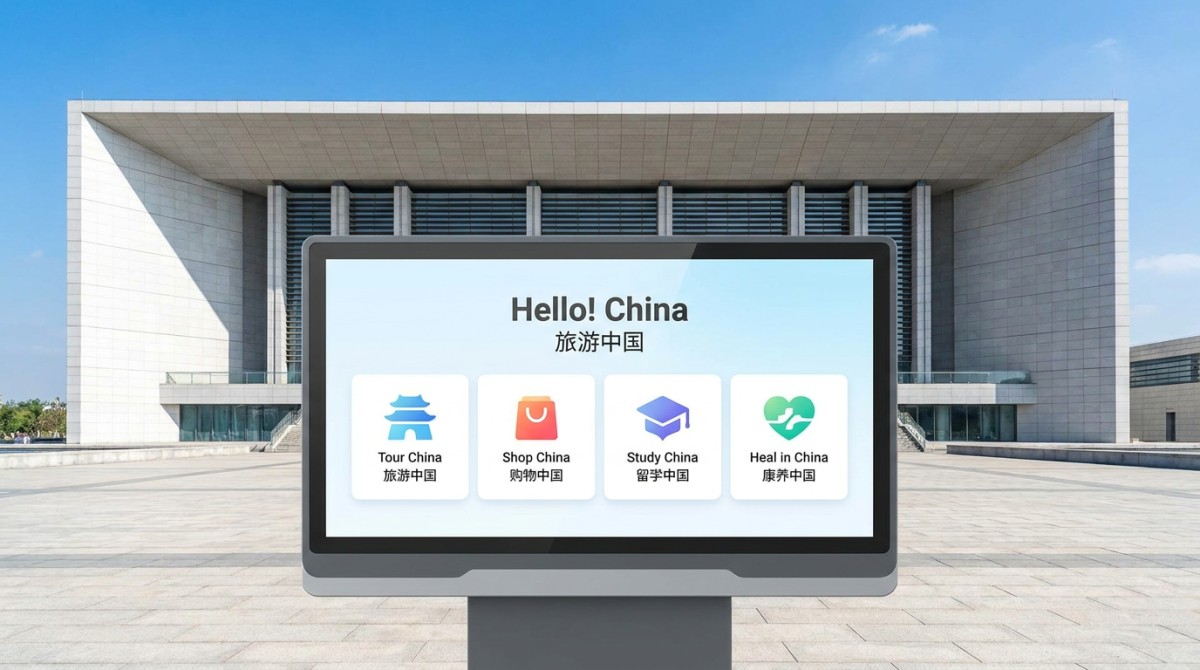
New National Policy Introduces Centralized Tourism Service Platform
On March 19, 2026, the Ministry of Commerce and eight other departments released thePolicy Measures on Promoting Travel Service Exports and Expanding Inbound Consumption. The policy explicitly integrates four experiential pillars—‘Tour China’, ‘Shop China’, ‘Study China’, and ‘Heal in China’—to reinforce China’s national tourism brand. A key operational component is the establishment of a centralized, official information platform for international tourists, branded as ‘Hello! China’, designed to serve as the national hub for inbound tourism promotion and coordination.
The policy mandates cross-sector resource integration—drawing on airlines, travel agencies, educational institutions, and medical facilities—and supports globally targeted marketing campaigns, including facilitating overseas film and television production teams’ visits to China.
Impact Across Industry Stakeholders
Direct Export-Oriented Service Providers
Operators offering travel, language support, guided tours, or cultural immersion services to foreign nationals will face updated service delivery expectations. Integration into the ‘Hello! China’ platform may become a de facto prerequisite for eligibility in official promotion channels or public-private co-marketing initiatives.
Education and Healthcare Service Providers
Institutions delivering short-term academic programs, language training, or outpatient medical services to international clients must prepare for standardized data sharing protocols and potential alignment with platform-based booking and verification systems—especially as ‘Study China’ and ‘Heal in China’ are formalized as core tourism value propositions.
Tourism-Linked Retail and Hospitality Operators
Vendors participating in duty-free shopping, multilingual e-commerce, or integrated hotel–tour–transport packages may be invited—or required—to connect their reservation and payment interfaces with the national platform, affecting API readiness, compliance documentation, and customer data handling practices.
Logistics and Cross-Border Support Services
Companies providing visa assistance, translation, insurance underwriting, or transportation coordination for inbound groups will need to assess whether platform integration introduces new certification requirements, reporting obligations, or interoperability standards for backend systems.
Key Considerations and Strategic Responses for Enterprises
Platform Integration Readiness Assessment
Businesses should evaluate technical compatibility with the upcoming ‘Hello! China’ digital infrastructure—including API specifications, multilingual content delivery, real-time inventory synchronization, and identity verification workflows—as early alignment may influence visibility in official promotional channels.
Compliance Alignment for Multi-Sector Offerings
Organizations combining tourism with education, healthcare, or retail must ensure internal compliance frameworks cover all relevant regulatory domains (e.g., education accreditation, medical licensing, consumer protection, cross-border data transfer), especially where bundled services are promoted via the unified platform.
Global Marketing Coordination Protocols
Enterprises engaged in overseas promotion—including through film crews, influencer collaborations, or trade fairs—should review contractual terms and internal approval processes to confirm alignment with the policy’s emphasis on coordinated, nationally endorsed messaging and branding guidelines.
Industry Perspective: Beyond Infrastructure, Toward Systemic Coherence
Analysis shows this initiative signals a structural shift—not merely adding another digital tool, but redefining how inbound tourism services are governed, verified, and scaled across administrative boundaries. What deserves closer attention is the implied requirement for interoperability between previously siloed sectors: an airline’s booking system, a university’s enrollment portal, and a hospital’s international patient unit may soon need shared data schemas and common authentication layers. From an industry perspective, the real challenge lies less in platform access and more in harmonizing compliance logic across disparate regulatory regimes—education, health, commerce, and immigration—within a single customer journey.
Strategic Implications for the Tourism Ecosystem
This policy marks a deliberate move toward institutionalizing inbound tourism as a coordinated national export service—not just a collection of fragmented experiences. Its significance lies not only in boosting visitor numbers, but in establishing a scalable governance model for cross-sector service integration. Success will depend on consistent implementation across provincial authorities, transparent platform governance, and sustained private-sector engagement—not just initial adoption.
Source Verification Notice
This article was generated exclusively from the provided title, event date (March 19, 2026), and summary text. Specific official source links were not provided in the input and should be verified continuously. Stakeholders are advised to monitor forthcoming implementation guidelines, platform technical specifications, interdepartmental coordination mechanisms, and feedback from pilot regions—none of which are included in the current input and remain subject to further official clarification.
Your 1:1 travel consultant will respond within 1 business day
How to plan your trip
- Hebei Launches Five “Trendy Hebei” Premium Tourism Routes for Inbound Travelers, Moving Toward Standardized Offerings
- The 12th Qionghai Tanmen Coastal Foraging Festival Opens on August 16
- Guangxi’s Digital Silk Road Accelerates: Orah Mandarin Juice Secures an Italian Order, Drawing Attention to Export Standards for Souvenirs
- New Inquiry Triggered by Coastal Cultural Tourism Space Standards
- Zhuanghe’s agro-cultural tourism model draws ASEAN attention, highlighting the compliance requirements for the internationalization of camping and intangible cultural heritage handicrafts
Monthly travel guide
- Typhoon “White Dolphin” Forces Henan Scenic Areas to Close, Putting Summer Ground-Handling Services Under Pressure
- RCEP Implementing Rules for Indonesia Take Effect: Zero Tariffs for Cultural and Tourism Services Alongside Strict Customer Service Requirements
- Saudi Arabia’s New SASO Regulations Take Effect: Taqat Certification Required Before Chinese-Language Cultural Tourism Services Can Access Visit Saudi
- Zhengzhou Launches a Dedicated LCL Shipping Route for Cultural and Tourism Materials, Cutting Freight Costs by 18%
- Luoyang Cold Chain Intensification: Cultural and Creative Exports Delivered in 9 Days
- Expedited Pre-Approval for Group Visas to Three Southeast Asian Countries
- Tightening air freight capacity at Zhengzhou Airport delays the delivery of cultural and tourism materials
- Vietnam's New Regulations on Bus Monitoring Requirements for Group Tours
- Saudi SAMA New Regulations on Travel Liability Insurance Compliance Preparation
- Japanese tourists' new regulations for entering Henan local transport vehicles
- Wai Gao Qiao Wen Travel customs bonded warehouse summer group equipment fast lane
- JTB Warning: Risks in Henan’s September Red Leaf Family Tour Purchases
Popular destinations
- China's Henan Province 144-Hour Visa-Free Transit Policy in 2026: Latest Regulations & In-Depth Travel Strategies
- The China-Europe Railway Express (Zhengzhou) Launches a Dedicated Train for Culture and Tourism Equipment, Cutting Customs Clearance Time to 48 Hours
- RCEP Cultural and Tourism Services Commitment Upgrade: Faster Market Access for Chinese Outbound Tourism Service Providers in Vietnam and Malaysia
- Japan to Introduce a Credit Point System for Chinese-Speaking Tour Guides, Trial Operation in August
- The EU Clarifies That Digital Platforms for Culture and Tourism Are Subject to GDPR Regulation
Why choose us

High cost-performance and transparent experience
Offer astonishing low prices without hidden tourism traps, enabling travelers to explore at lower costs while avoiding unnecessary spending loopholes, ensuring transparent consumption.

Personalization and dedicated service
Support 100% free customization, paired with one-on-one expert service, crafting exclusive itineraries based on travelers' specific needs, while providing professional guidance to enhance the personalization and professionalism of the journey.

Premium itinerary planning
Compact yet rich itineraries allow travelers to experience more within limited time; simultaneously, carefully selected hotels in prime locations provide convenient lodging conditions, overall enhancing travel comfort and experience.