Welcome to Our Travel Agency!




I. The Historical Origins of Shaolin Temple
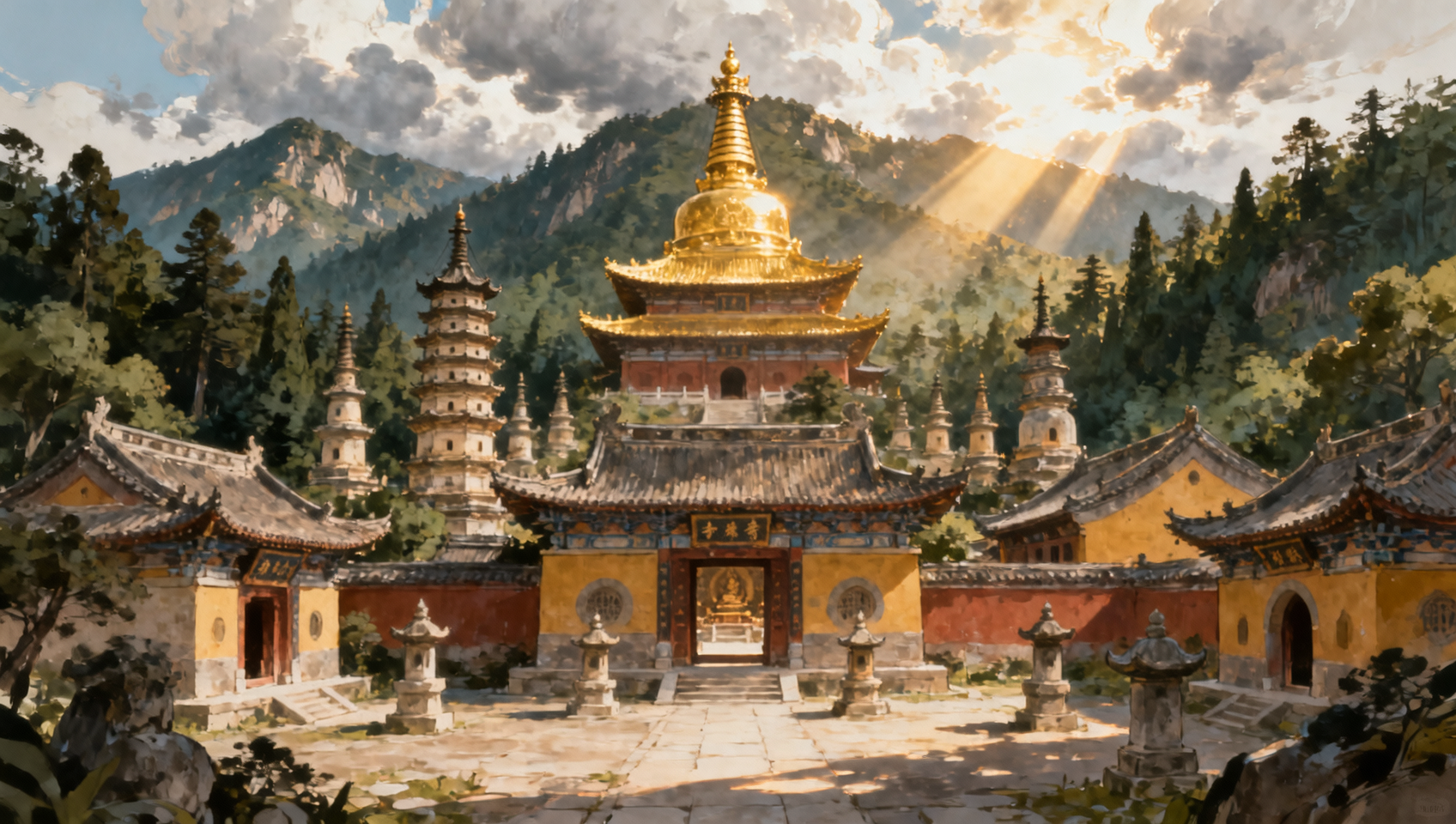
In 495 AD, Emperor Xiaowen of the Northern Wei Dynasty built the Shaolin Temple to accommodate the Indian monk Batuo. It was named after its location in the dense forests of Shaoshi Mountain. The founder of Zen Buddhism, Bodhidharma, meditated here for nine years, establishing the Zen tradition. The story of the Tang Dynasty's Thirteen Monks saving the Prince of Qin elevated it to an imperial temple. The existing architectural complex includes seven national protected units such as the Abbot's Hall, Pagoda Forest, and the Ancestral Founder’s Hall.
Shaolin Temple has witnessed major historical events, including the Buddhist persecution during the Northern Zhou Dynasty, its revival in the Sui and Tang Dynasties, and renovations in the Ming and Qing Dynasties. Most of its current structures date back to the Ming and Qing periods. The temple houses precious artifacts like the Tang Dynasty Imperial Stele and the Yuan Dynasty iron cauldron. The Stele of Mixed Three Religions and Nine Streams showcases the unique cultural phenomenon of the integration of Confucianism, Buddhism, and Taoism.
In 2010, the Shaolin Temple's historical architectural complex was inscribed as a UNESCO World Heritage Site. Its "Center of Heaven and Earth" cosmology and the integration of Zen and martial arts practice system make it an important carrier of human civilization dialogue. The annual Bathing Buddha Festival on the eighth day of the fourth lunar month attracts Buddhist devotees worldwide.
II. The Essence of Zen Martial Culture
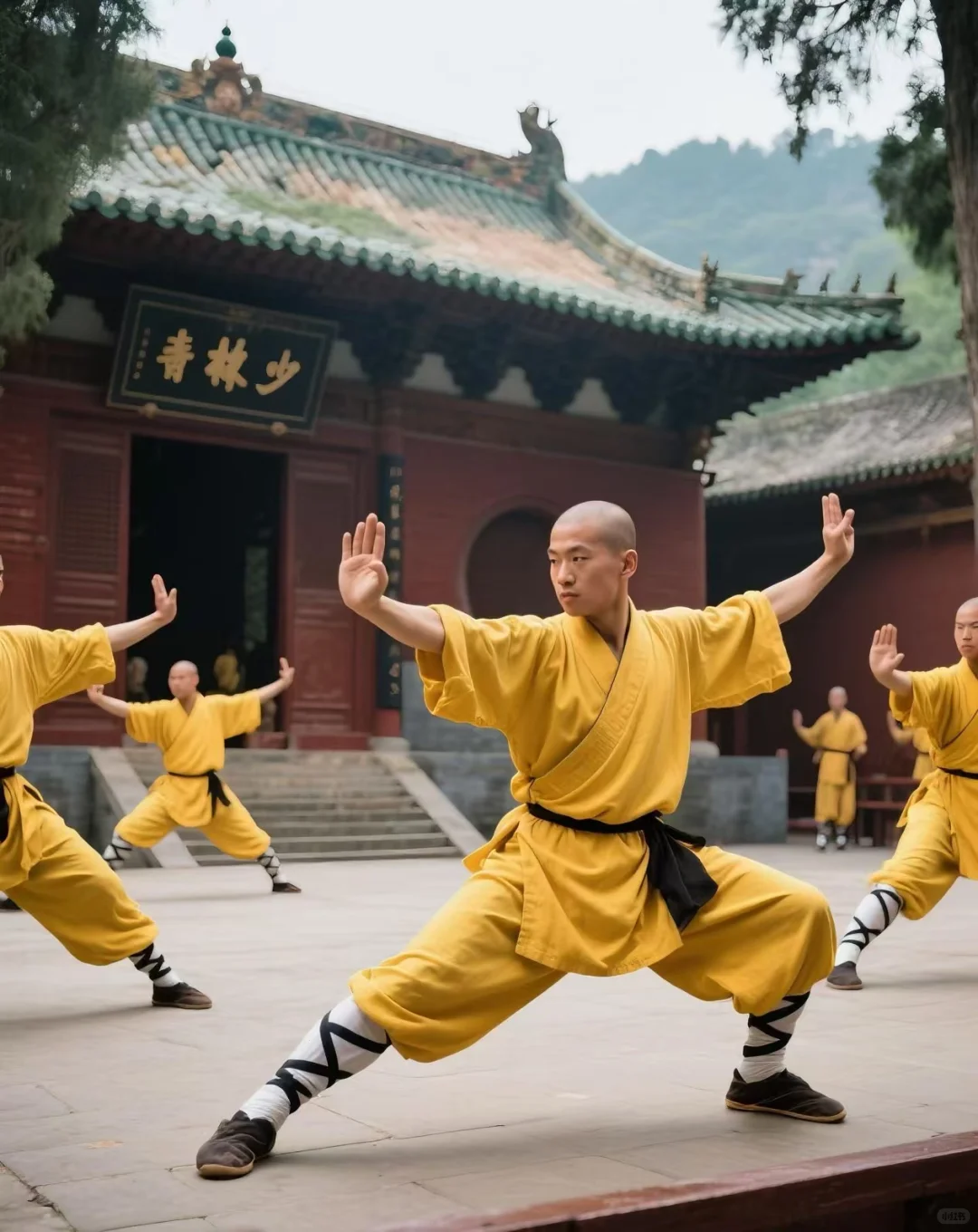
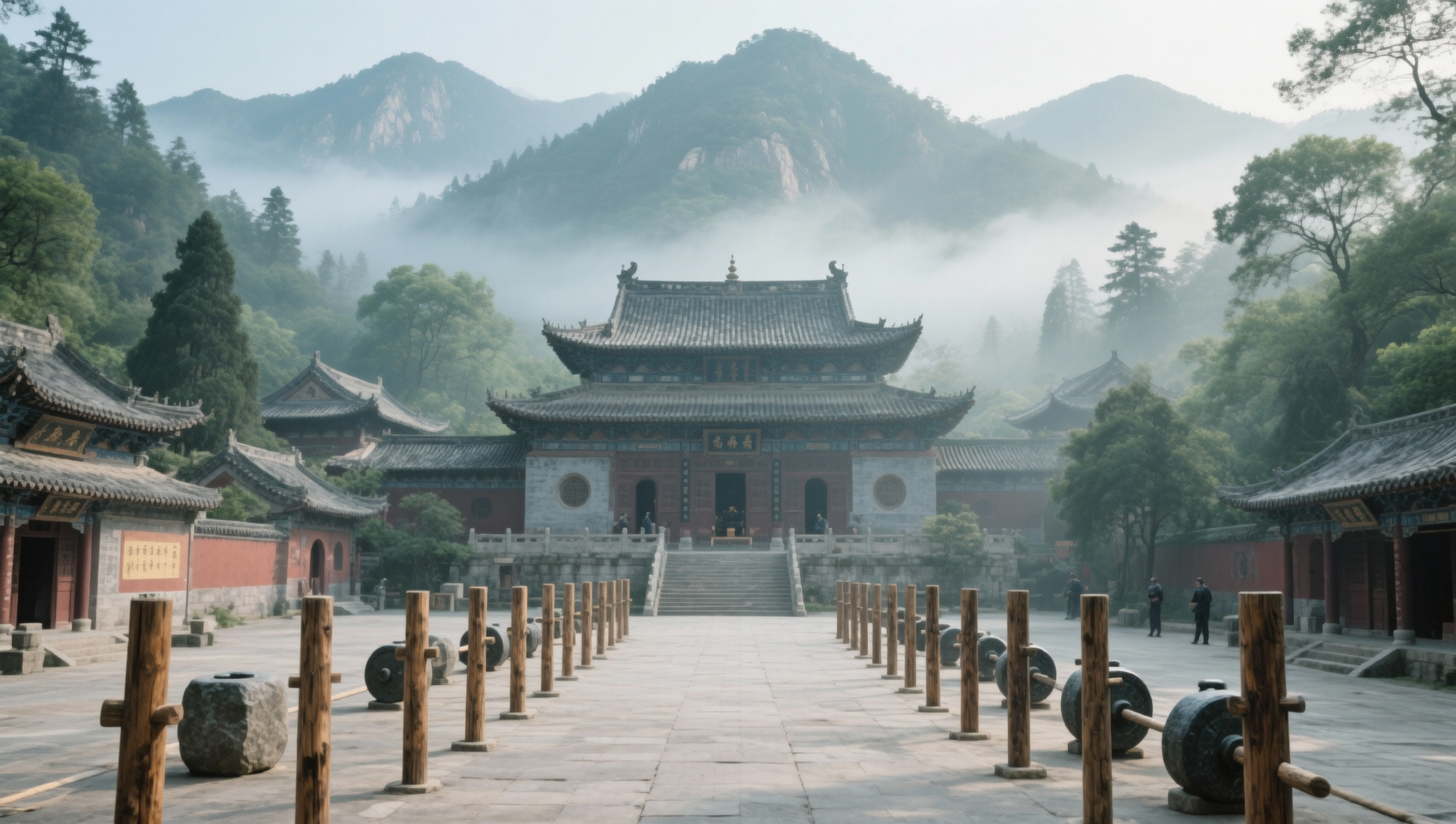
Shaolin martial arts encompass over 700 sets of techniques, including boxing, weaponry, and qigong, with the Muscle-Tendon Change Classic and Marrow Cleansing Classic being particularly profound. The practice philosophy of "Zen and Fist as One" emphasizes achieving enlightenment through physical movement, a unique body philosophy still relevant today.
The temple preserves Ming Dynasty martial arts manuals like Shaolin Staff Method Explained and Qing Dynasty texts such as Shaolin Temple Records. The daily scenes of monks training between morning bells and evening drums exemplify living cultural heritage. Recent Zen meditation programs allow visitors to experience Zen wisdom through incense sitting and walking.
Henan Letu Travel Agency's "Shaolin Zen Martial Culture In-Depth Tour" includes morning/evening practice sessions, martial arts lessons, and vegetarian meal preparation, offering deeper cultural immersion than regular sightseeing. Professional guides explain Zen koans like "Staff Shout" to help visitors grasp Zen's "direct pointing to the human mind" essence beyond words.
III. Architectural Art and Treasures
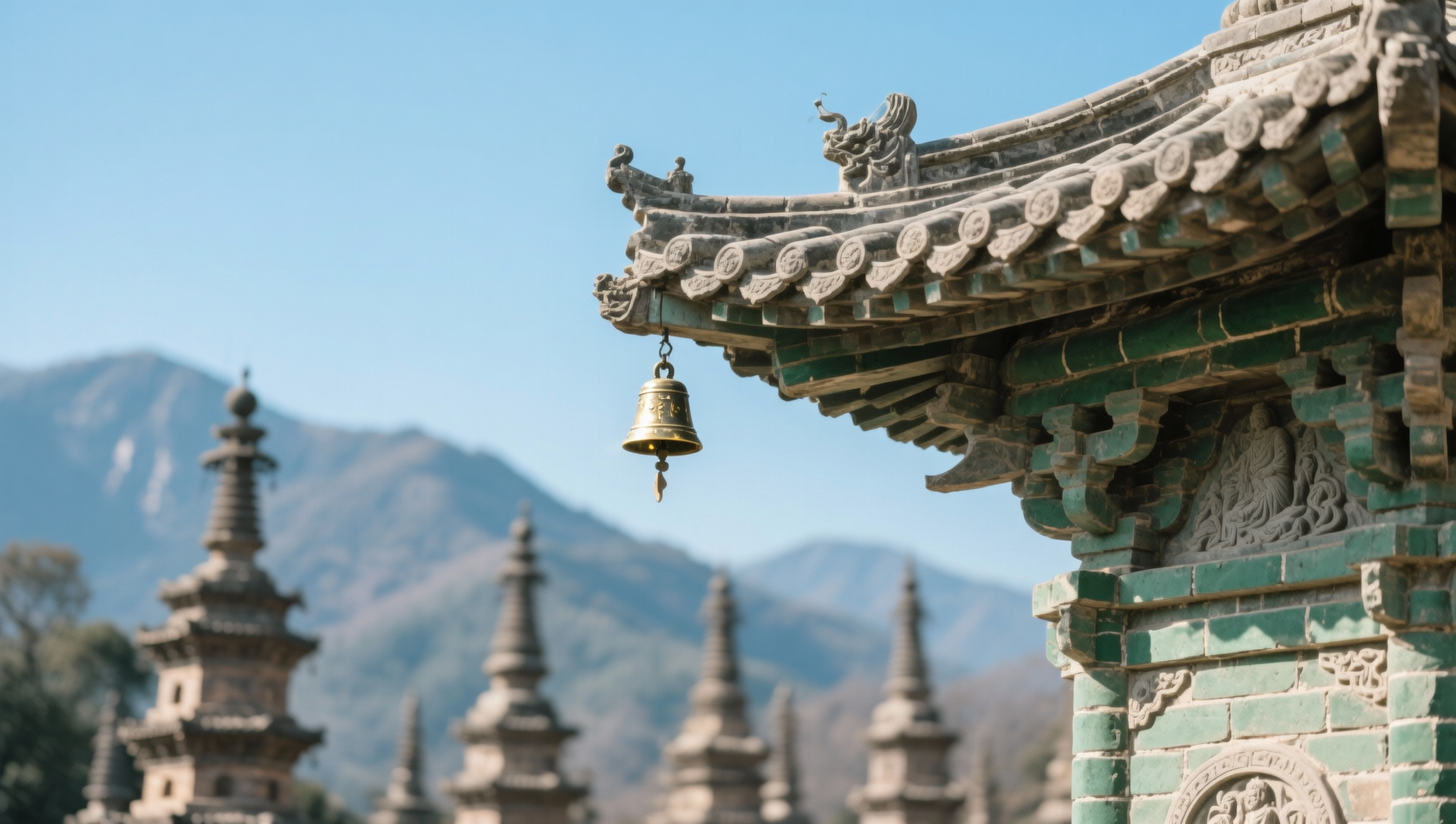
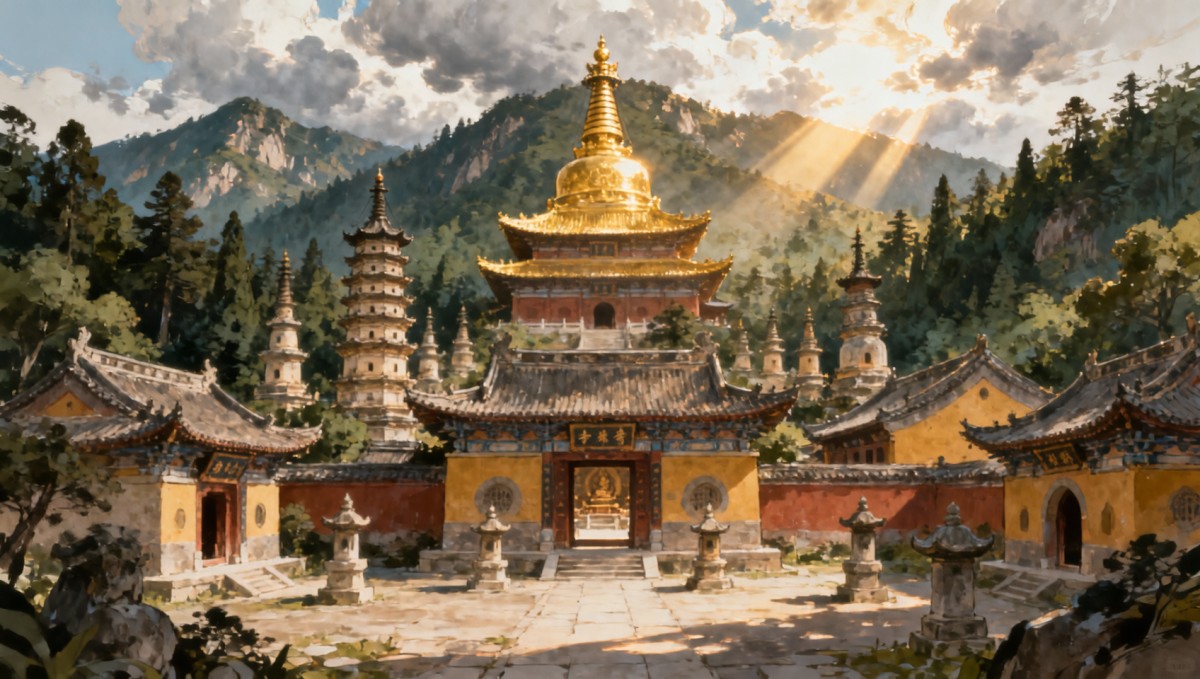
Shaolin's architectural complex follows mountain contours, with seven intact courtyards along the central axis including the Mountain Gate, Heavenly King Hall, and Mahavira Hall. The Ming Dynasty mural Five Hundred Arhats Paying Homage to Vairocana in the Thousand Buddha Hall covers 300 square meters, while 48 training pits in brick floors attest to history. The 6,500kg Ming Dynasty iron bell in the Bell Tower still produces resonant tones.
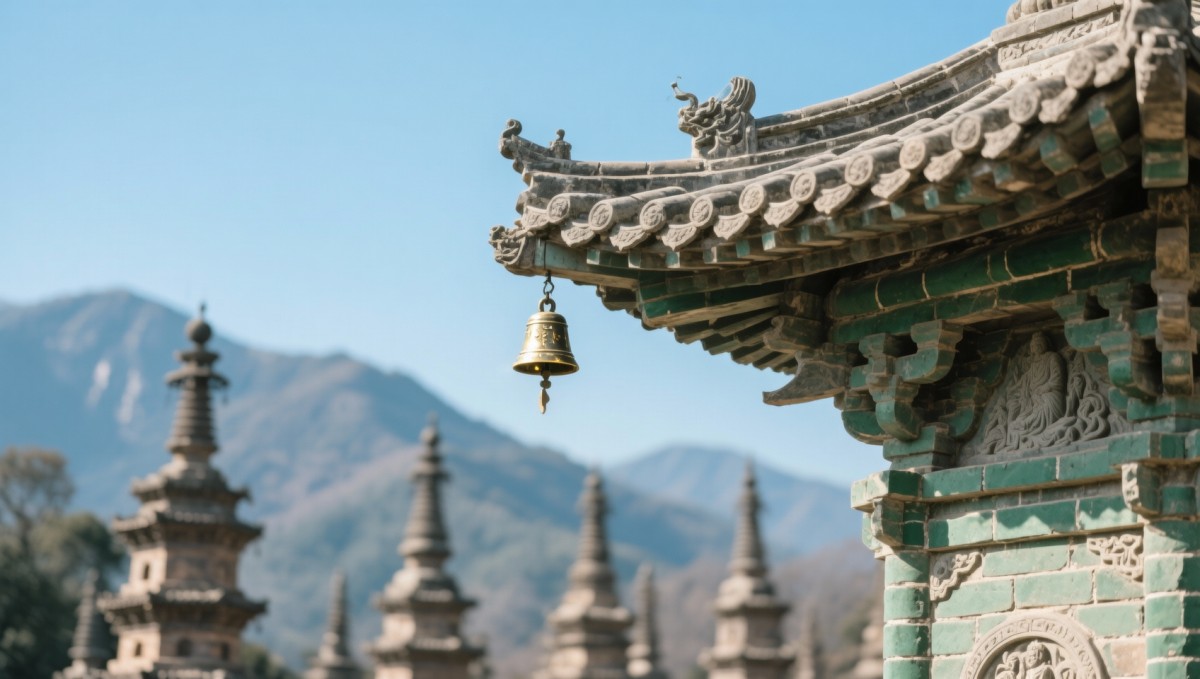
The western Pagoda Forest contains 241 stupas from Tang to Qing, China's largest and oldest ancient pagoda group. The Ancestral Founder’s Hall features Song Dynasty wooden structures and stone carvings, plus 150 stele inscriptions forming an open-air calligraphy museum. Visitors should allocate 3 hours to appreciate these artworks.
Notably, Qing Dynasty murals in the White Robe Hall vividly depict the Thirteen Monks rescuing the Prince of Qin. The Scripture Hall preserves ancient medical texts like Complete Shaolin Medical Secrets, revealing Shaolin's unique "Zen-Medicine Unity" theory.
IV. Practical Travel Strategies
Best seasons are spring and autumn; summer requires sun protection. Real-name reservation is mandatory—book through Henan Letu Travel Agency 3 days prior for fast-track entry. Don't miss the 10:00 martial arts show; arrive 1 hour early on holidays.
From Zhengzhou: 1. Take tourist buses (1.5hrs) from Zhengzhou Coach Station; 2. Drive via Shaolin Expressway exit (1hr); 3. Join day tours covering Songyang Academy and Zhongyue Temple. Audio guides are available, but professional tours offer deeper cultural insights.
Stay at Zen-themed hotels like Shaolin Guesthouse. Try "Luohan Vegetarian Banquet" and "Shaolin Eight-Treasure Porridge" at vegetarian halls. Purchase authentic martial arts gear with official certification. Winter visits combine New Year customs like longevity-keeping rituals.
V. Recommended Cultural Experiences
Short-term: 1. Morning bell/evening drum (1hr); 2. Shaolin Eight Sections Brocade (2hrs); 3. Zen tea tasting (1.5hrs). Book through Henan Letu for translation services—ideal for overseas culture enthusiasts.
Mid-term: 1. Seven-day Zen retreat (includes meditation); 2. Two-week martial arts intensive (with certification); 3. TCM massage courses. Requires prior health checks—best in spring/autumn, avoiding summer heat and winter festival peaks.
Special events: 1. Bathing Buddha Festival (8th day, 4th lunar month); 2. Shaolin Kung Fu Day (9th day, 9th month); 3. Winter Zen-Martial Culture Week. Letu's "Heritage In-Depth Tours" link Shaolin with Longmen Grottoes and Kaifeng's Qingming Riverside Park for comprehensive cultural immersion.
VI. FAQ
Q: Can non-Buddhists join Zen practice? A: Open to all cultural backgrounds—focus is cultural appreciation, not religious conversion. Q: Martial arts show times? A: Daily at 10:00, 11:00, 14:30, 15:30 (extra shows on holidays). Q: Separate ticket for Pagoda Forest? A: Included in main ticket.
Q: Identifying authentic martial arts training? A: Choose Shaolin Temple's official partners or Letu-recommended courses—avoid roadside "crash courses". Q: Tips for elderly/children? A: Use electric carts inside; focus on Abbot's Hall and martial shows—Pagoda Forest has many steps.
Q: Best photo spots? A: Mountain Gate panorama at Life-Freeing Pond; Thousand Buddha Hall training pits require wide-angle; Pagoda Forest at sunset. Bring telephoto lenses for monk training details, but observe religious etiquette—no frontal monk portraits without permission.
 The Complete 2026 Guide to Inbound Tourism in Henan, China: 144-Hour Visa-Free Transit, the Latest Policies, and In-Depth Travel TipsHenan will fully implement the 144-hour visa-free transit policy in 2026. This guide explains the new visa rules, a six-day in-depth itinerary, and tips on payments and communications, helping you explore world cultural heritage sites such as Shaolin Temple and the Longmen Grottoes.
 2026 Global Tourists' Ultimate Guide to Shaolin Martial Arts Training and Zen Meditation Experience2026 Global Tourists' Ultimate Guide to Shaolin Martial Arts Training and Zen Meditation Experience, including short-term Shaolin Kung Fu courses, Zen meditation experiences, and 144-hour visa-free policy interpretation. Professional ground services to help you embark on an authentic Shaolin cultural journey.
 After China's tourism industry rebounded, Henan's local travel agencies quietly added these three clauses to the contracts for pure-play tour groups.China's tourism industry rebounded, and Henan's pure-play tour group contracts were upgraded! Strong guarantees for Longmen Grottoes, Shaolin Kung Fu, and Luoyang Peony Festival resources, with worry-free delivery for family tours, Yinfatourism, and outdoor adventures.
 Henan Traditional Chinese New Year Experience: Which villages still preserve the old custom of 'keeping the lights on all night during New Year's Eve'?Hong Kong compatriots root-seeking exploration tour first choice! Deeply experience Henan's traditional Chinese New Year customs, explore the living folk traditions of 'keeping the lights on all night', and unlock Hakka culture, the origins of surnames, and the Lin family root-seeking journey in Henan.
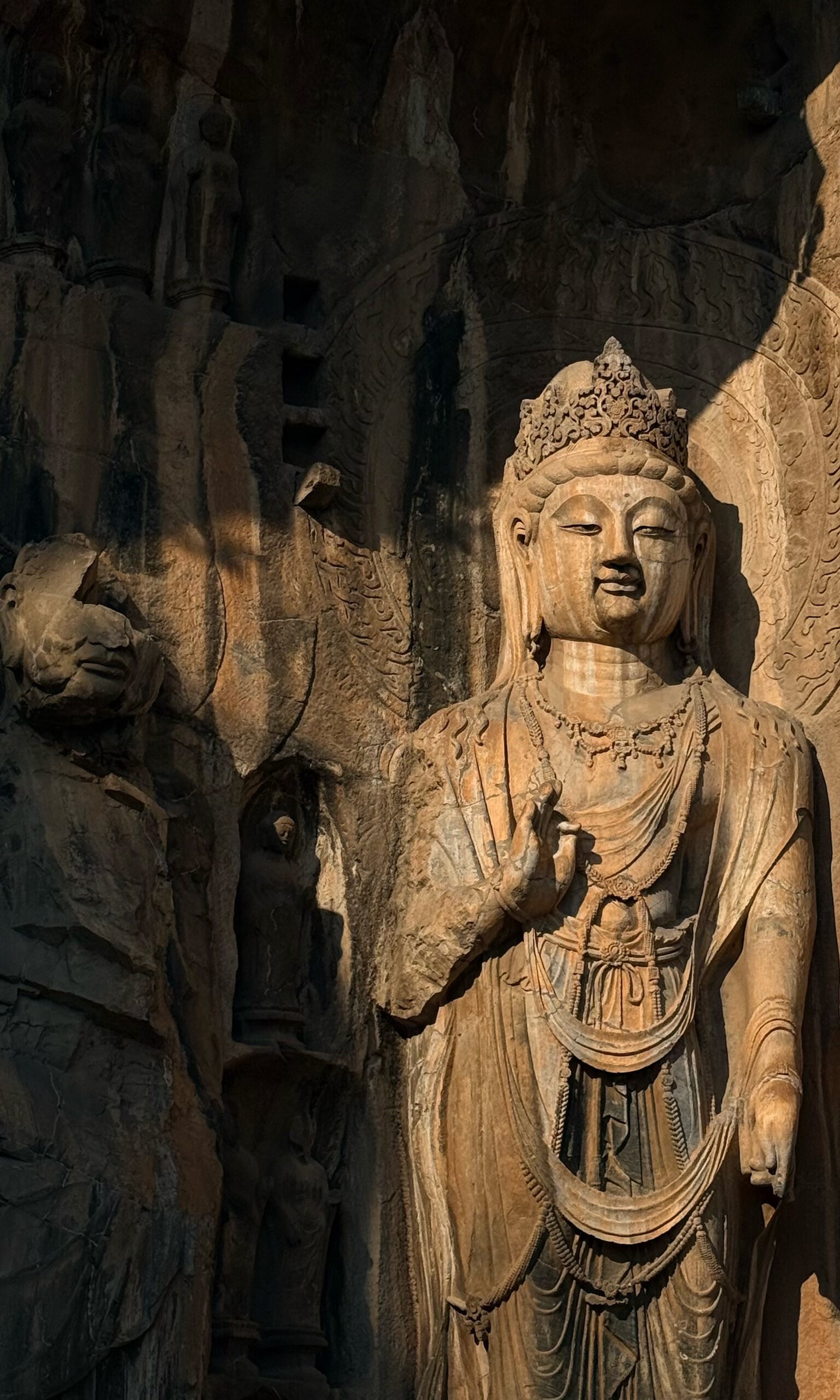
 Longmen Grottoes and Shaolin Kung Fu TourThe Longmen Grottoes preserve the memory of dynasties carved in stone, while Shaolin Temple embodies a life of Zen through kung fu.
 Encounter Henan—Customized Ancestral Roots TourHenan,as the “root of Huaxia”,is the convergence point of the geographic center,cradle of dynasties,source of civilization,and spiritual totem。From prehistoric settlements to imperial capitals,from the birth of writing to the flourishing of thought,this land,with the profound weight of “A history of Henan is half of Chinese history”,interprets the enduring vitality of Chinese civilization。Traveling through the Central Plains,what you touch is not only Qin bricks and Han tiles,but also the deep memory of the nation’s bloodline。