

The journey of tracing ancestral roots for various surnames - beyond Wang, Li, and Zhang, how many generations of genealogy can rare surnames still trace in Henan?
Henan is the birthplace of Chinese surnames, with over 70% of common surnames tracing their roots to the Central Plains. Whether it's Hong Kong compatriots on a roots-seeking tour, the Lin family's ancestral journey, or overseas Chinese exploring cultural heritage, visitors can trace dozens of generational clan records in Luoyang, Zhengzhou, Anyang, and other locations, experiencing the profound connection between Hakka culture and Henan's origins through temple visits, folk studies, and immersive historical experiences. Letu Travel Agency provides professional Henan genealogy research services and customized roots-seeking itineraries.
The Preservation Status of Minor Surnames: Breaking Through from "Untraceable" to "Trackable for Three+ Generations"
In Henan, major surnames like Wang, Li, and Zhang have complete genealogical records spanning 30-45 generations, with some like Zhengzhou's Zheng clan and Chenliu's Ruan clan even traceable to the Han-Wei period. However, minor surnames (representing less than 0.01% of the population) often face misconceptions like "no verifiable records" or "only oral traditions." According to 2023 statistics from Henan Provincial Library's ancient archives, the province holds 12,847 publicly accessible paper genealogies from the Ming-Qing period, including 2,163 volumes covering rare surnames with under 500 bearers, spanning 417 derivative surnames from ancient "Eight Great Clans" like Ji, Jiang, Yao, and Ying.
The breakthrough lies in local archival digitization: Since 2021, Luoyang Archives has launched the "Heluo Surname Gene Atlas Project," collaborating with 27 counties to complete digital scanning and OCR recognition of genealogies. An online search portal now enables cross-referencing by ancestral home, hall name, and migration history. For example, the rare "Yao" surname (under 800 bearers nationwide) was traced to Yichuan County's Baisha Town through surviving volumes of the 1703 "Yao Clan Genealogy," documenting 19 generations since ancestor Yao Zhongliang migrated from southern Shanxi during the Ming Hongwu era.
This progress solidifies cultural tourism conversion: Letu collaborates with Luoyang Surname Culture Research Association to establish a "Roots-Search Response Center," deploying 3 certified ancient document conservators, 5 dialect oral historians, and 2 genealogy consultants. This ensures minor surname clients receive preliminary lineage reports within 72 hours of arrival, with synchronized field visit coordination.
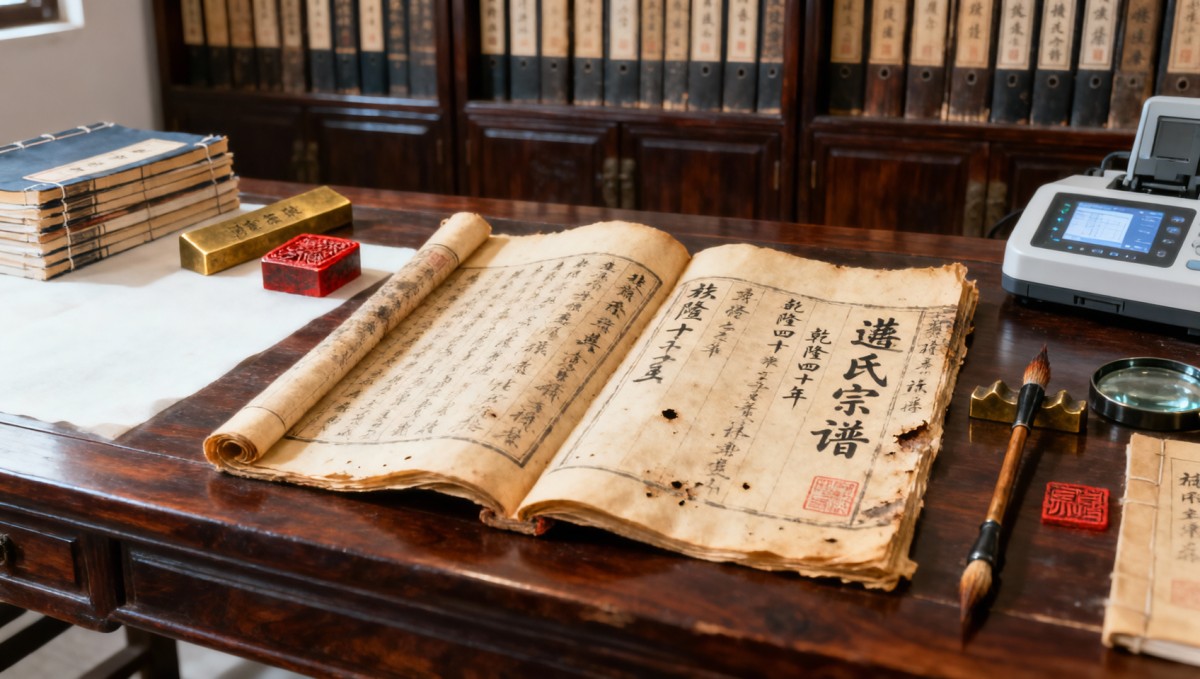
Data shows minor surname genealogies, though shorter in generational depth, offer concentrated cultural immersion due to compact ancestral locations and active clan activities. Letu accordingly offers "Minor Surname Premium Packages" featuring: 1) Pre-screening (≤72hrs); 2) Bilingual genealogy interpretation (Simplified Chinese + Traditional annotations); 3) Temple visit green channels (priority access).
B2B Procurement Decisions: How to Evaluate Roots-Tourism Service Providers' Qualifications?
For corporate clients, academic institutions, and overseas Chinese organizations, four key metrics matter: 1) Ancient archive access levels; 2) Number of certified temple entry permits; 3) Certification rates of genealogy consultants; 4) Cross-regional resource coordination efficiency. Letu holds unique triple accreditation as: "Henan Ancient Documents Protection Partner," "Luoyang Intangible Heritage Base," and "Official Yin Ruins Reception Provider."
Operationally, we implement "Five-Dimensional Standards": ① ≤72hr preliminary screening; ② ≤24hr temple booking confirmation; ③ ≥1 dialect guide per group; ④ Digital genealogy copies delivered within 5 workdays post-tour; ⑤ Zero compulsory shopping clauses in contracts. In 2023, we served 1,287 batches of Greater China and Southeast Asian clients with 63.4% repeat rate, maintaining stable 12-18 month corporate contract cycles.
For procurement officers, we provide "Roots-Service Delivery Checklists" with 12 quantifiable metrics, e.g.: "Temple rituals ≥28 minutes," "UV-light verified genealogy displays," "Dialect recordings sampled at 44.1kHz." All data syncs to client dashboards, supporting full-process video logs retrievable by project ID.
Standardized Roots-Search Itinerary Design Logic and Safety System from Luoyang
Letu's "One Core Three Belts" model centers on Luoyang's Heluo culture zone (Mengjin, Yanshi, Yichuan), extending to: 1) Northern Henan's Shang Culture Belt (Anyang + Hebi); 2) Eastern Henan's Chen-Chu Culture Belt (Zhoukou + Zhumadian); 3) Western Henan's Qin-Han Culture Belt (Sanmenxia + Pingdingshan). All routes comply with ISO 21101:2018 tourism safety standards, featuring ADAS-equipped vehicles and guides certified through Henan's "Surname Culture Specialist Exam" (67.3% pass rate).
Our "Three-Tier Safety Protocol" includes: 1) Regular tours with certified guides + local clan representatives; 2) Ancient archive visits supervised by 1 conservator + 1 security + 1 translator; 3) High-risk activities (e.g., Ming-era temple tower climbs) monitored by drones. With zero major incidents in 2023, we upgraded accident coverage to ¥2 million per person, spanning genealogy research, ritual ceremonies, and dialect learning scenarios.
For silver-haired travelers and families, we developed "Intergenerational Memory Kits" containing: 1) Touchable genealogy replicas (using xuan paper embossing); 2) AR surname origin cards (3D oracle bone animations); 3) Dialect nursery rhyme USB drives (Luoyang/Anyang/Xinyang versions). All materials are SGS-certified child-safe for ages 6-85.
FAQ: Key Procurement Questions & Standardized Responses
Q: Do you accept group bidding for minor surname services? What are minimum group sizes and pricing rules?
We support full-process public bidding. Standard response time is 5 workdays post-RFP receipt for technical proposals + itemized quotes. Volume discounts: 30-49 persons (5% off), 50-99 (10% off), 100+ (negotiated rates requiring annual framework agreements). All quotes are tax/insurance/archive-access-inclusive with no hidden fees.
Q: Can you provide third-party verified case materials for past minor surname projects?
Yes, including notarized "Yao Clan Service Performance Proof" (Nov 2023), "Bao Clan Appreciation Letter" scans (Mar 2024), and Luoyang Archives' "Genealogy Research Compliance Certificates." All cases support live video verification with clan representatives.
Central Plains surname culture isn't dusty literature but living, participatory heritage. From our Luoyang hub, Letu transforms genealogical pages into walking cultural covenants. For organizations planning authentic roots-searching journeys, contact our B2B consultants to obtain "Minor Surname Service White Papers" and customized proposal drafts.
Popular destinations
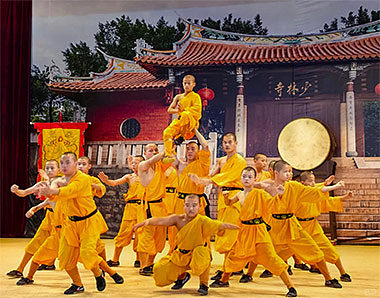
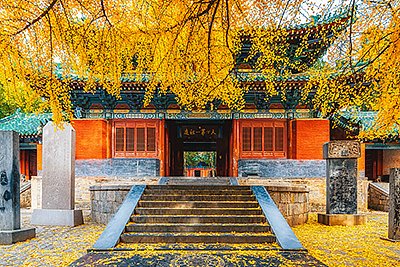
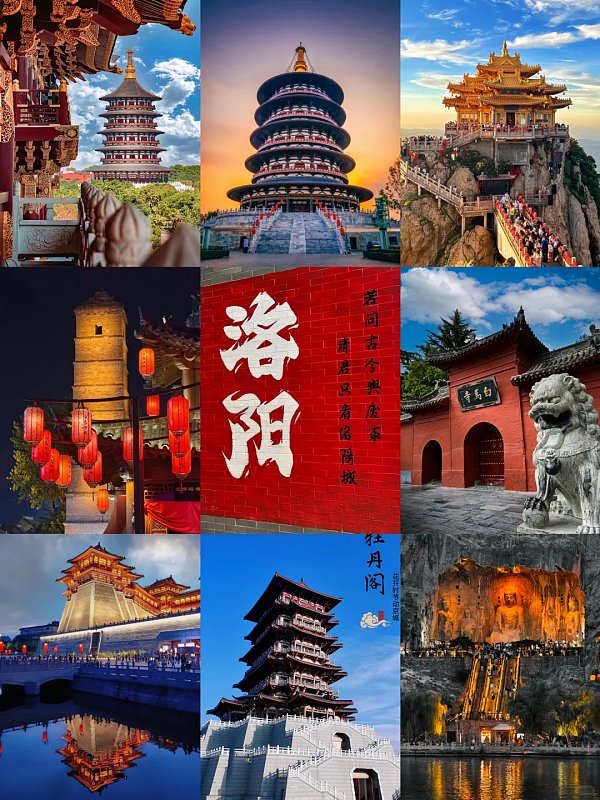
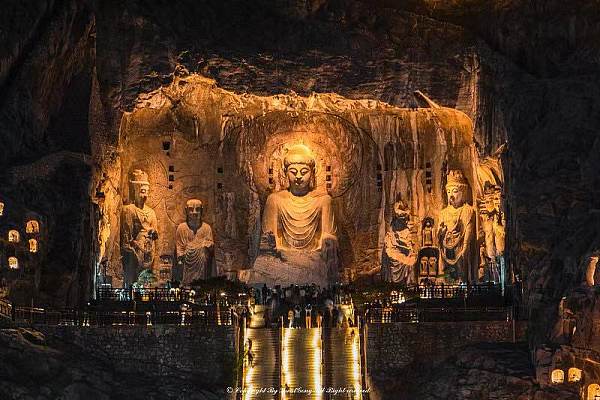
 Luoyang Longmen + Shaolin Kung Fu JourneyLongmen Grottoes are the imperial memories carved in stone, while Shaolin Temple embodies the Zen philosophy of martial arts life.
 Kaifeng One-Day Highlights TourKaifeng is an ancient city located in eastern Henan Province, China, renowned as the 'Capital of Eight Dynasties' and 'Living Northern Song Culture'.
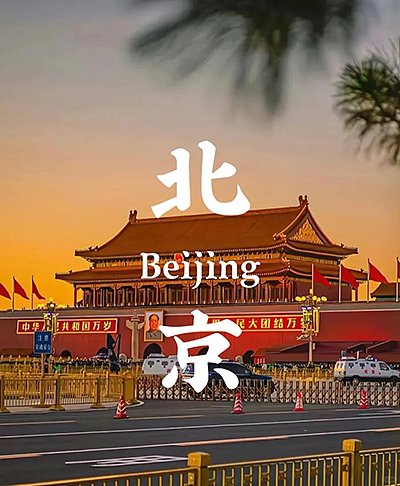
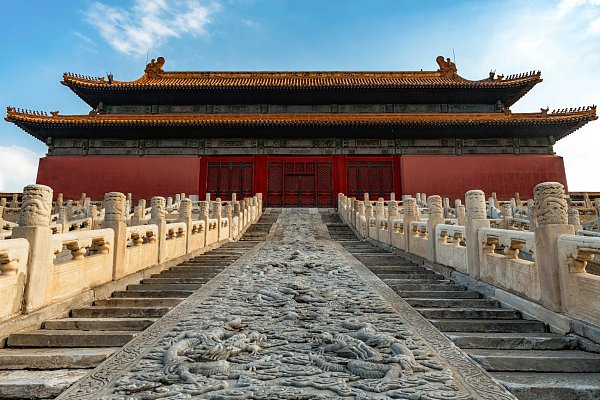
 Beijing Essence Two-Day TourBeijing is the window to history, where you can witness authentic historical relics like the Forbidden City, the Great Wall, and the Temple of Heaven. It is the cultural heartland—ride a rickshaw through the hutongs to experience traditional Beijing life, or visit Wangfujing and Sanlitun to immerse yourself in modern China's fashion and vibrancy. It is also a foodie's paradise, offering Peking duck and street snacks that rival imperial cuisine, satisfying every palate.
 The Shaolin Kung Fu JourneyShaolin Temple is the ancestral home of Chinese Zen Buddhism and the birthplace of martial arts worldwide, renowned for its 'Zen and Martial Unity.' In a nutshell: Want to see where 'Chinese Kung Fu' comes from? Shaolin Temple is the place.
") Luoyang Essence One-Day Tour (Customized Tour, April Peony Viewing)Root-Seeking Journey · A Daydream Back to the Divine Capital: On this day, we are not just tourists, but also returning descendants of "Old Home Henan."
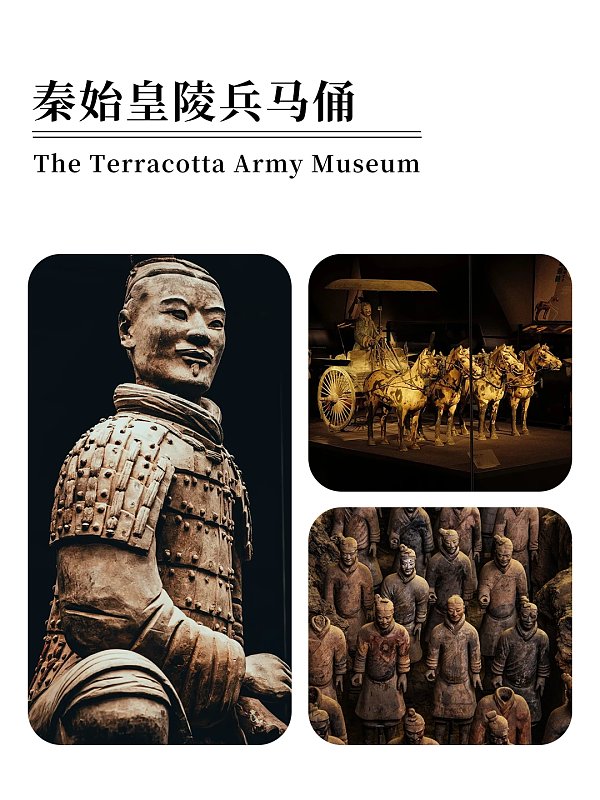
Luoyang Essence One-Day Tour (Customized Tour, April Peony Viewing)Root-Seeking Journey · A Daydream Back to the Divine Capital: On this day, we are not just tourists, but also returning descendants of "Old Home Henan."") Xi'an Highlights One-Day Tour (Customizable Itinerary)From the Terracotta Warriors to the Tang Paradise · Experience the essence of Chang'an in a day. On this day, we won't just be passing tourists, but true 'Chang'an guests.'
Xi'an Highlights One-Day Tour (Customizable Itinerary)From the Terracotta Warriors to the Tang Paradise · Experience the essence of Chang'an in a day. On this day, we won't just be passing tourists, but true 'Chang'an guests.'") Luoyang Leisure Two-Day Tour (Customizable Tour in April to View Peonies)To inquire about the rise and fall of ancient and modern affairs, just look at Luoyang City."
Luoyang Leisure Two-Day Tour (Customizable Tour in April to View Peonies)To inquire about the rise and fall of ancient and modern affairs, just look at Luoyang City."
Some say Luoyang is a city favored by time.
She is not the kind of stunning beauty that captivates at first glance. Her charm lies hidden—in the subtle smile of the Great Buddha of Longmen Grottoes, carved with devotion by artisans of Empress Wu Zetian's era. That smile, exuding compassion, predates the Mona Lisa by a thousand years. Chengdu RouteChengdu, hailed as the 'Land of Abundance' for leisure, is also the hometown of giant pandas, where you can get up close to admire the 'national treasures' in their natural charm. The city's core allure lies in its unique 'slow-living' aesthetic: the aroma-filled streets of hotpot skewers, the time-honored old teahouses, and the inclusive atmosphere that perfectly blends modern fashion with the hustle and bustle of urban life, making visitors reluctant to leave.
 Hangzhou RouteHangzhou is known as 'Heaven on Earth,' a perfect blend of traditional Jiangnan charm and modern technology. The magic of Hangzhou lies in the fact that one moment you can be listening to the bell chimes of a thousand-year-old temple, and the next, you can be sipping premium coffee in a modern shopping mall.
 Family-friendly travel itinerary 2Standing at the 'center of the world,' deepen the knowledge from books and broaden the horizons through travel.
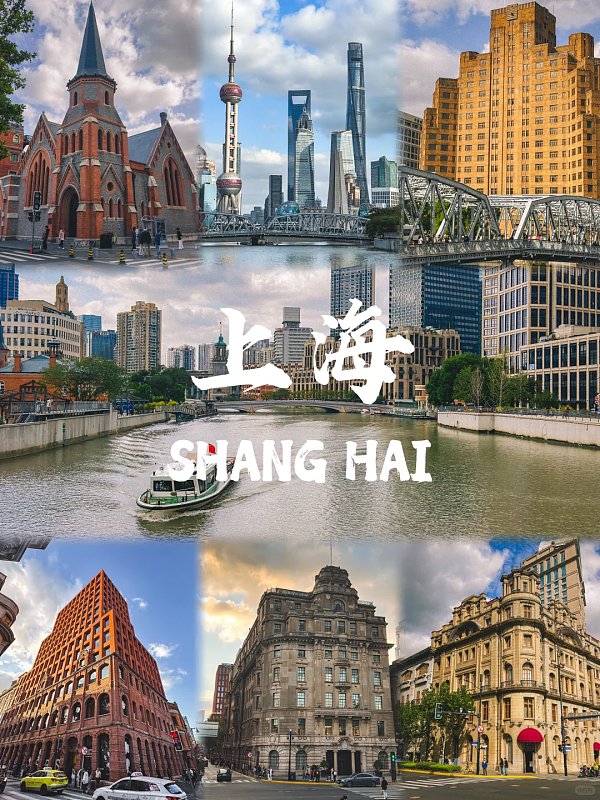
 Shanghai Research Summer CampShanghai is China's economic, financial, trade, and shipping hub, a cosmopolitan metropolis that blends modern prosperity with profound historical heritage. Here, you can find both the century-old charm of the Bund and the lively atmosphere of Old Town, as well as the skyscrapers of Lujiazui and world-class cultural tourism experiences.
 Study Tour Travel ItineraryGoing to Shanghai for a study tour is, simply put, a 'walking classroom,' with the core meaning being to closely connect textbook knowledge with real-life experiences.
 Beijing Essence Customized 5-Day Pure Play TourBeijing Essence 5-Day Pure Play Customized Tour, with private car transfers to visit world cultural heritage sites such as the Forbidden City, the Great Wall, and Tiananmen Square. Experience Hutong culture, enjoy a shopping-free itinerary, and benefit from multilingual guide services for a private and exclusive travel experience.
 Shanghai + Suzhou + Wuzhen 6-Day Custom TourImmersive Experience of Jiangnan's Scenic Beauty~
") 4 Days & 3 Nights Customized Tour in Luoyang (Peony Viewing Available in April)This city, known as the 'Ancient Capital of Thirteen Dynasties' and the 'Divine Capital', is engraved with the historical and cultural imprint of the 'Earliest China'.
4 Days & 3 Nights Customized Tour in Luoyang (Peony Viewing Available in April)This city, known as the 'Ancient Capital of Thirteen Dynasties' and the 'Divine Capital', is engraved with the historical and cultural imprint of the 'Earliest China'.
"Only the peony is truly the nation's beauty, blooming in season to move the capital." In 1982, Luoyang designated the peony as its city flower, and every April, it hosts the China Luoyang Peony Culture Festival.
Symbolic meaning: The king of flowers, representing wealth, prosperity, and auspiciousness. Xi'an 5-Day In-Depth TourThe ancient capital of thirteen dynasties, one of the world's four great ancient capitals, the starting point of the Silk Road, and the ancestral home of 'Glorious Tang Chang'an' in the hearts of overseas Chinese.
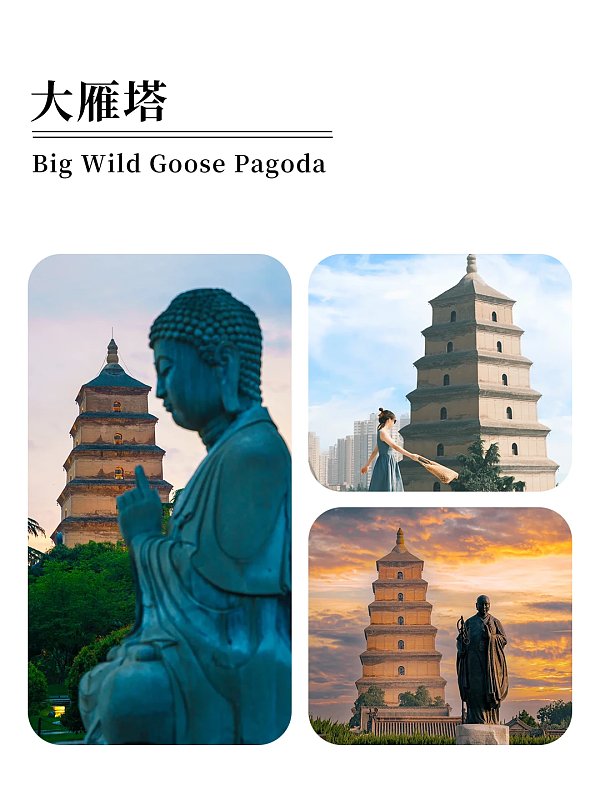
Here lies the Eighth Wonder of the World—the Terracotta Army, China's best-preserved Ming Dynasty city wall, the Great Wild Goose Pagoda where Xuanzang translated Buddhist scriptures, and the dreamlike Tang Dynasty Ever-Bright City at night.