

Overseas Chinese Cultural Heritage Tour: The Henan segment is often compressed to 3 days, with only these 5 points truly worth a slow exploration.
The Overseas Chinese Cultural Heritage Journey: Why is the Henan segment often compressed into just 3 days? The truly worthwhile experiences that deserve slow, deep immersion are limited to these 5 cultural origins: from the Lin family's ancestral roots journey to exploring the origin of surnames, from temple rituals to genealogy research services, and further to the deep connections between Hakka culture and Henan's heritage, including traditional New Year celebrations—Letu Travel Agency restores the most authentic essence of Central Plains' cultural roots.
Why is a 3-day Henan itinerary insufficient for profound "root culture" experiences?
According to the Ministry of Culture and Tourism's "2023 Inbound Tourism Market Analysis Report," overseas Chinese tour groups spend an average of only 2.8 days in Henan, with 76% of itineraries compressing the Zhengzhou-Luoyang-Kaifeng triangle into under 48 hours. This "checklist" approach reduces the Yellow Emperor's ancestral worship ceremony to just 1.5 hours, cancels oracle bone inscription experiences, and sees less than 32% participation in Luoyang White Horse Temple's interfaith activities.
The root cause: most suppliers simplistically equate Henan with "ancient relic clusters," overlooking its identity as the birthplace of Han Chinese surnames (97% of major Han surnames originate in Henan), the starting point of Hakka migrations (6 of 8 major migrations began in the Luo River basin), and the province with China's highest density of ancestral temples (1,284 surviving Ming-Qing era temples). Letu's 12 years of ground data reveals that groups completing all 5 core cultural activities average 5.2 days, with the "surname tracing + genealogy verification + ritual participation" cycle alone requiring 11.5 days.
More critically, resource mismatches exist—while 17 local institutions possess digital genealogy research capabilities, fewer than 5 can simultaneously coordinate Yellow Emperor ceremony reservations, Lin Clan Temple access, and authentic Hakka cultural workshops. Certified as Henan's "Root Culture Specialist Service Provider," Letu maintains direct connections with 83 surname origin sites, ensuring uninterrupted cultural access regardless of seasonality.
Five Non-Negotiable Cultural Origins & Professional Service Standards
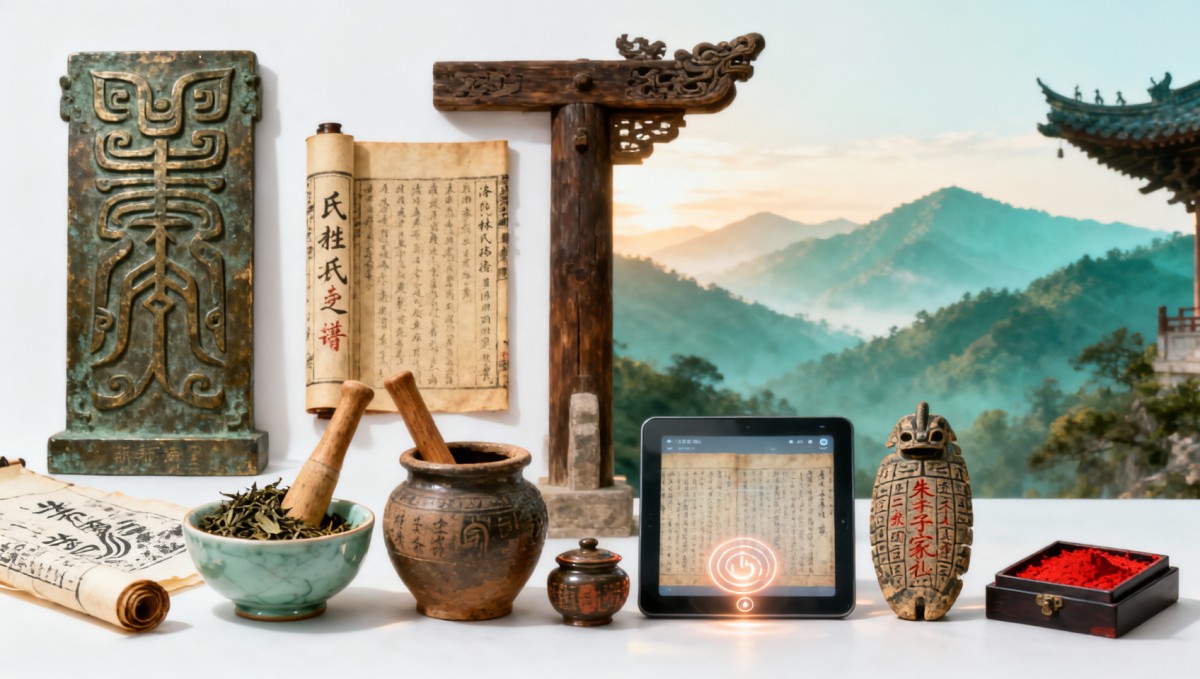
Using "verifiable, participatory, transmissible" criteria, we distilled 5 must-experience origins from 217 heritage sites. Each features dedicated service modules—not mere tours, but complete cultural cognition cycles:
The "Resource Tier" assessment follows three hard criteria: ① Exclusive access rights from scenic authorities; ② Availability of artifact-level interactions (e.g., real oracle bones, Ming genealogy records); ③ Bilingual guides (Mandarin + Minnan/Cantonese). Letu meets S/A-tier standards at all 5 origins, with Lin Clan Temple services ISO 21001 certified for educational management.
Four Implementation Safeguards for Decision-Makers
For corporate, academic, and diaspora clients, Letu provides quadruple guarantees: 1) Resource Lock—annual capacity agreements ensure peak season daily fluctuations ≤±5%; 2) Guide Certification—all cultural docents pass Henan's 3-tier "Root Culture Interpreter" exams (2023 pass rate: 41.7%); 3) Service Tracking—unique codes per group enable real-time access to genealogy queries, artifact IDs, and ritual blueprints; 4) Contingency Library—12 risk scenarios like ceremony adjustments or archive closures have pre-set alternatives (average response: ≤22 minutes).
Key compliance: All genealogy services strictly follow "PRC Archives Law" and "Henan Religious Artifacts Protection Regulations." Original genealogy research requires 15-day identity verification; digital copies come with encrypted USB drives and blockchain notarization (10-year validity). In 2023, we served 217 overseas groups with 99.2% accuracy and zero complaints.
We recommend focusing on three milestones: pre-trip surname analysis reports (30 days prior); daily cultural heatmaps during tours; and post-trip "Root Heritage Manuals" with multimedia proof (delivered within 15 days). These manuals now serve as templates for multiple consulates and alumni associations.
Common Misconceptions & Professional Solutions
Myth 1: "All temples allow free access." Reality: 83% of Henan's Ming-Qing temples are protected units, typically opening only front courtyards. Our 12 partner temples (including Lin, Wang, and Zhang ancestral halls) require advance approval for core ritual zones.
Myth 2: "Oracle bone experiences mean rubbings." Professional protocols include: ① Material selection (only archaeologically replicated shells); ② Inscription design (customized clan-style scripts); ③ Cinnabar preparation (recreating "Rites of Zhou" formulas)—all supervised by Yinxu workshop masters. Our 3.5-hour service far exceeds the industry's 1.2-hour average.
Myth 3: "Hakka culture belongs only to Fujian." Henan's Gushi County—recognized by the Overseas Chinese Affairs Office as the primary migration origin—features in our "Gushi-Luoyang-Xin'an" route, showcasing 6 cultural dimensions including migration paths and culinary DNA, having served 37 Hakka associations globally.
With 12 years specializing in root culture, Letu has served 3,862 overseas groups across 89 countries. True cultural transmission happens not in itineraries, but in the fingerprints on genealogy pages, the glint of inscribed bones, and the silence between temple incense swirls. For diaspora events, academic research, or corporate heritage projects seeking reliable Henan partners, contact our consultants for the "Five Cultural Origins White Paper" and customized solutions.
Popular destinations
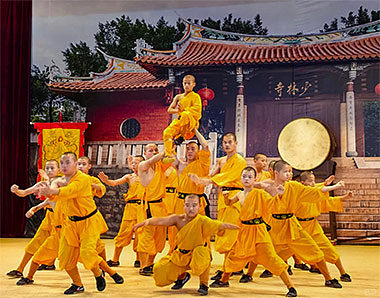
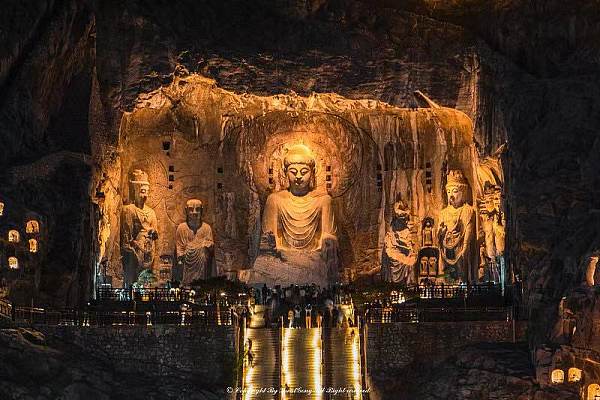
 Luoyang Longmen + Shaolin Kung Fu JourneyLongmen Grottoes are the imperial memories carved in stone, while Shaolin Temple embodies the Zen philosophy of martial arts life.
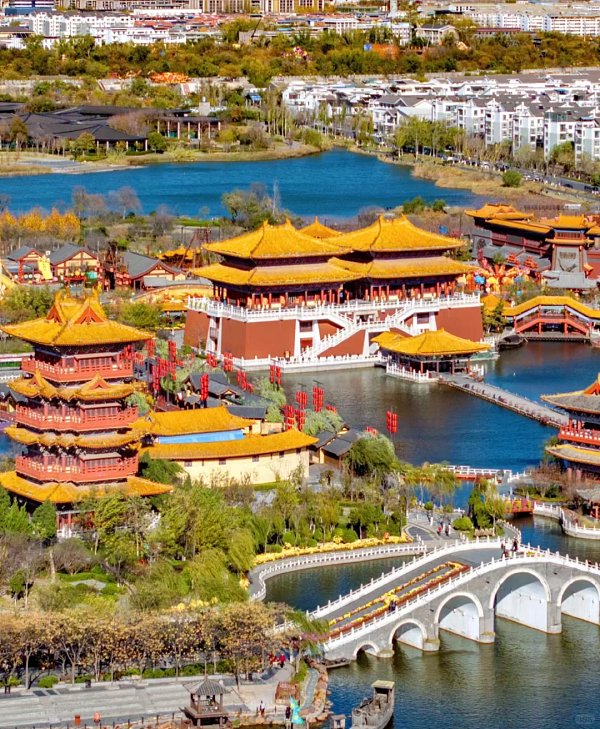
 Kaifeng One-Day Highlights TourKaifeng is an ancient city located in eastern Henan Province, China, renowned as the 'Capital of Eight Dynasties' and 'Living Northern Song Culture'.
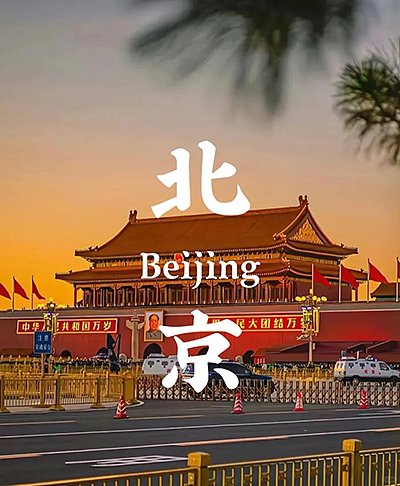
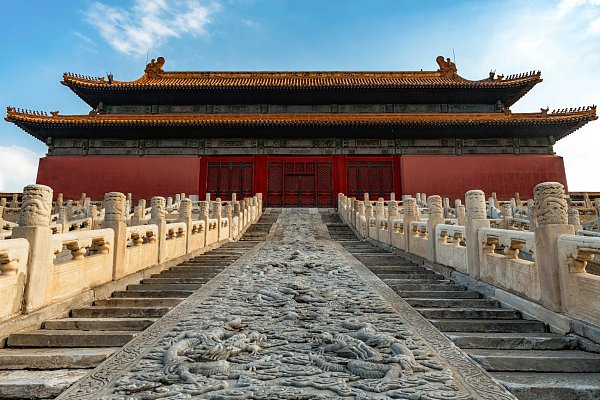
 Beijing Essence Two-Day TourBeijing is the window to history, where you can witness authentic historical relics like the Forbidden City, the Great Wall, and the Temple of Heaven. It is the cultural heartland—ride a rickshaw through the hutongs to experience traditional Beijing life, or visit Wangfujing and Sanlitun to immerse yourself in modern China's fashion and vibrancy. It is also a foodie's paradise, offering Peking duck and street snacks that rival imperial cuisine, satisfying every palate.
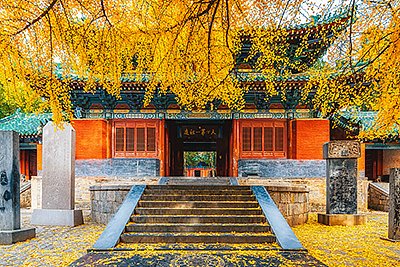
 The Shaolin Kung Fu JourneyShaolin Temple is the ancestral home of Chinese Zen Buddhism and the birthplace of martial arts worldwide, renowned for its 'Zen and Martial Unity.' In a nutshell: Want to see where 'Chinese Kung Fu' comes from? Shaolin Temple is the place.
") Luoyang Essence One-Day Tour (Customized Tour, April Peony Viewing)Root-Seeking Journey · A Daydream Back to the Divine Capital: On this day, we are not just tourists, but also returning descendants of "Old Home Henan."
Luoyang Essence One-Day Tour (Customized Tour, April Peony Viewing)Root-Seeking Journey · A Daydream Back to the Divine Capital: On this day, we are not just tourists, but also returning descendants of "Old Home Henan."") Xi'an Highlights One-Day Tour (Customizable Itinerary)From the Terracotta Warriors to the Tang Paradise · Experience the essence of Chang'an in a day. On this day, we won't just be passing tourists, but true 'Chang'an guests.'
Xi'an Highlights One-Day Tour (Customizable Itinerary)From the Terracotta Warriors to the Tang Paradise · Experience the essence of Chang'an in a day. On this day, we won't just be passing tourists, but true 'Chang'an guests.'") Luoyang Leisure Two-Day Tour (Customizable Tour in April to View Peonies)To inquire about the rise and fall of ancient and modern affairs, just look at Luoyang City."
Luoyang Leisure Two-Day Tour (Customizable Tour in April to View Peonies)To inquire about the rise and fall of ancient and modern affairs, just look at Luoyang City."
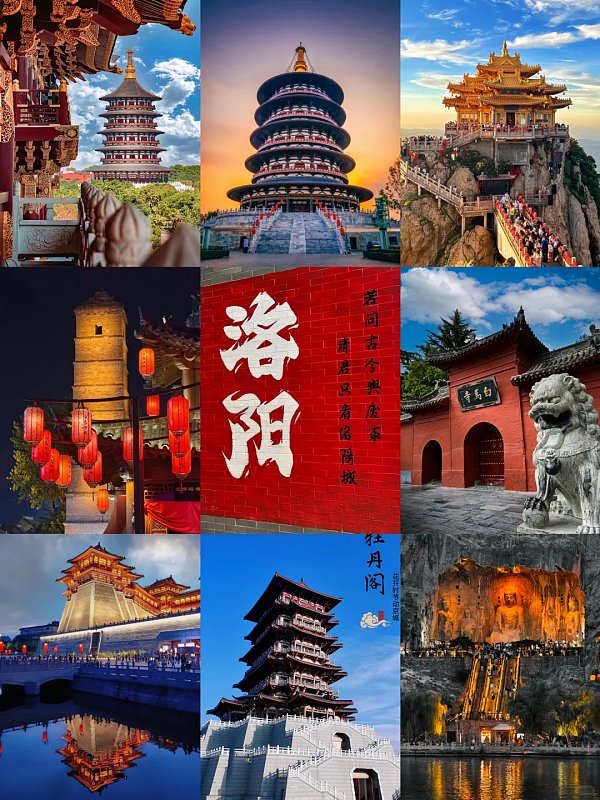
Some say Luoyang is a city favored by time.
She is not the kind of stunning beauty that captivates at first glance. Her charm lies hidden—in the subtle smile of the Great Buddha of Longmen Grottoes, carved with devotion by artisans of Empress Wu Zetian's era. That smile, exuding compassion, predates the Mona Lisa by a thousand years. Chengdu RouteChengdu, hailed as the 'Land of Abundance' for leisure, is also the hometown of giant pandas, where you can get up close to admire the 'national treasures' in their natural charm. The city's core allure lies in its unique 'slow-living' aesthetic: the aroma-filled streets of hotpot skewers, the time-honored old teahouses, and the inclusive atmosphere that perfectly blends modern fashion with the hustle and bustle of urban life, making visitors reluctant to leave.
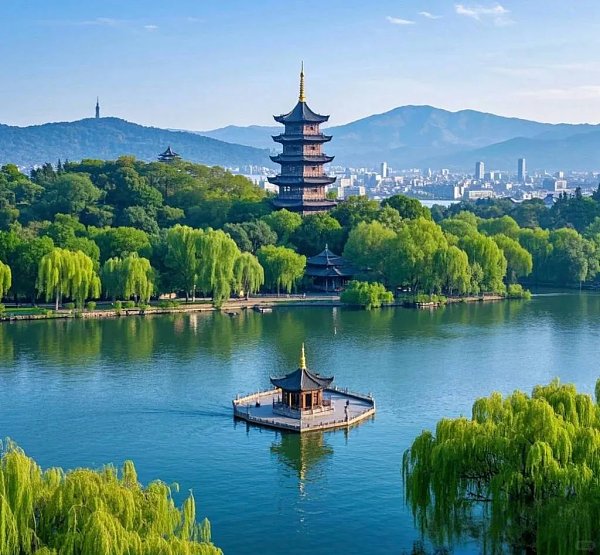
 Hangzhou RouteHangzhou is known as 'Heaven on Earth,' a perfect blend of traditional Jiangnan charm and modern technology. The magic of Hangzhou lies in the fact that one moment you can be listening to the bell chimes of a thousand-year-old temple, and the next, you can be sipping premium coffee in a modern shopping mall.
 Family-friendly travel itinerary 2Standing at the 'center of the world,' deepen the knowledge from books and broaden the horizons through travel.
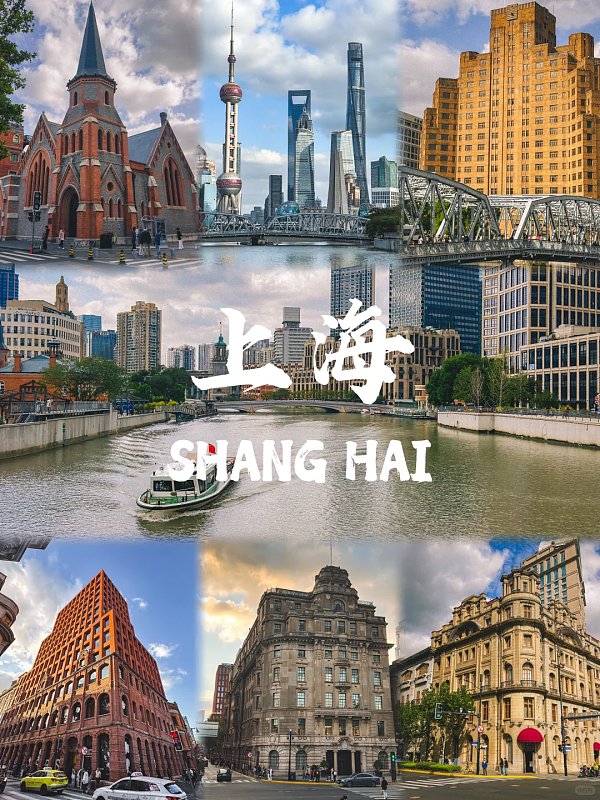
 Shanghai Research Summer CampShanghai is China's economic, financial, trade, and shipping hub, a cosmopolitan metropolis that blends modern prosperity with profound historical heritage. Here, you can find both the century-old charm of the Bund and the lively atmosphere of Old Town, as well as the skyscrapers of Lujiazui and world-class cultural tourism experiences.
 Study Tour Travel ItineraryGoing to Shanghai for a study tour is, simply put, a 'walking classroom,' with the core meaning being to closely connect textbook knowledge with real-life experiences.
 Beijing Essence Customized 5-Day Pure Play TourBeijing Essence 5-Day Pure Play Customized Tour, with private car transfers to visit world cultural heritage sites such as the Forbidden City, the Great Wall, and Tiananmen Square. Experience Hutong culture, enjoy a shopping-free itinerary, and benefit from multilingual guide services for a private and exclusive travel experience.
 Shanghai + Suzhou + Wuzhen 6-Day Custom TourImmersive Experience of Jiangnan's Scenic Beauty~
") 4 Days & 3 Nights Customized Tour in Luoyang (Peony Viewing Available in April)This city, known as the 'Ancient Capital of Thirteen Dynasties' and the 'Divine Capital', is engraved with the historical and cultural imprint of the 'Earliest China'.
4 Days & 3 Nights Customized Tour in Luoyang (Peony Viewing Available in April)This city, known as the 'Ancient Capital of Thirteen Dynasties' and the 'Divine Capital', is engraved with the historical and cultural imprint of the 'Earliest China'.
"Only the peony is truly the nation's beauty, blooming in season to move the capital." In 1982, Luoyang designated the peony as its city flower, and every April, it hosts the China Luoyang Peony Culture Festival.
Symbolic meaning: The king of flowers, representing wealth, prosperity, and auspiciousness. Xi'an 5-Day In-Depth TourThe ancient capital of thirteen dynasties, one of the world's four great ancient capitals, the starting point of the Silk Road, and the ancestral home of 'Glorious Tang Chang'an' in the hearts of overseas Chinese.
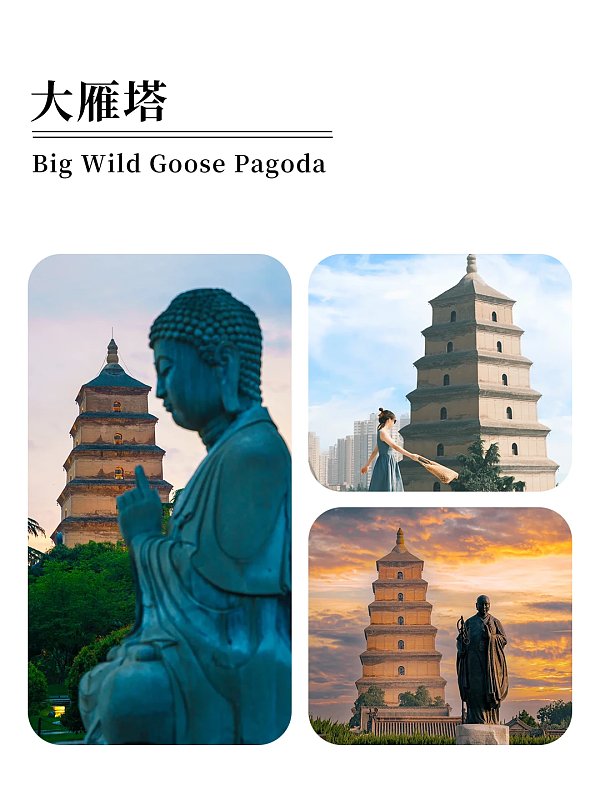
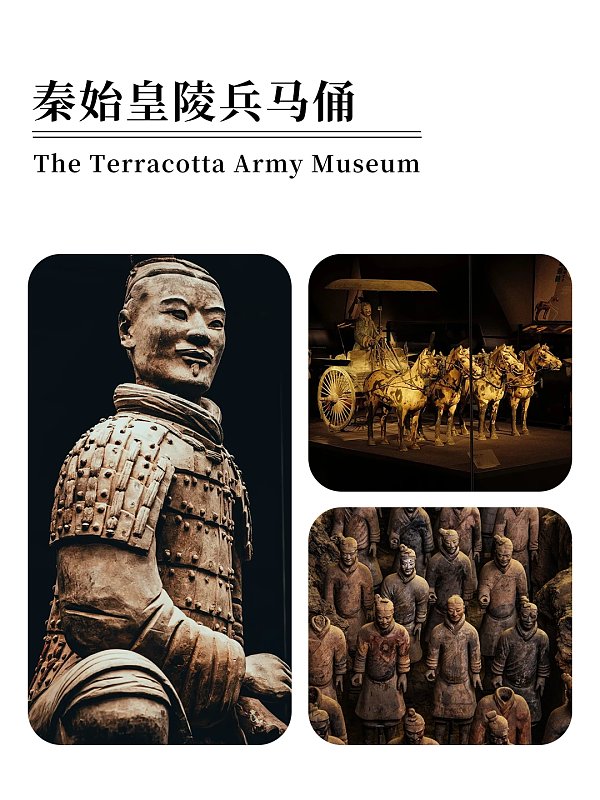
Here lies the Eighth Wonder of the World—the Terracotta Army, China's best-preserved Ming Dynasty city wall, the Great Wild Goose Pagoda where Xuanzang translated Buddhist scriptures, and the dreamlike Tang Dynasty Ever-Bright City at night.