

Henan Ancient Village Homestay Experience Pitfall Guide: These three types of 'internet-famous courtyards' are prone to disappointment after check-in
Want to experience ancient village homestays in Henan but afraid of pitfalls? These three types of 'internet-famous courtyard homestays' may look photogenic but often disappoint guests upon arrival. Combining the Longmen Grottoes night tour strategy, Luoyang Tang tri-color workshop experiences, and other immersive activities, Letu Travel Agency reminds you: authentic cultural experiences aren't found through filters, but in the details.
Which three types of 'internet-famous courtyard homestays' are most likely to disappoint tourists?
In ancient villages across Song County, Xin County, Linzhou, and other areas of Henan, numerous homestay projects branded as 'ancient-style renovations' have emerged in recent years. According to Letu Travel Agency's 2023-2024 field survey data, approximately 68% of negative reviews focus on three problematic homestay types: those with faux-ancient exteriors but lacking functionality, mass-produced replicas with no local character, and operations with inadequate services and management layers. Many of these projects rely on short-video platforms for traffic but lack basic respect for the logic of Central Plains residential structures, climate adaptability, and cultural carrying capacity.
Take traditional Western Henan courtyard homestays as an example. Sustainable renovations must consider hard parameters like winter insulation (wall thickness ≥45cm), drainage slope (eave drop angle ≥12°), and wooden structure load-bearing safety margins (beam spacing ≤3.2m). Most 'internet-famous courtyard homestays' only feature superficial paint jobs and imitation ancient windows, lacking moisture-proof layers—resulting in 92% humidity rebound during rainy seasons, directly compromising accommodation experience and health safety.
More critically, there's cultural dissonance—some homestays forcibly transplant Luoyang peony patterns to Western Henan mountain dwellings or apply Kaifeng embroidery elements around Yin Shang ruins in Anyang, creating regional cultural confusion. This 'symbol-pasting' operation model cannot support deep academic research, intangible heritage workshops, or high-value-added experiential designs like seasonal gastronomy.
How can procurement parties identify authentic cultural carrying capacity?
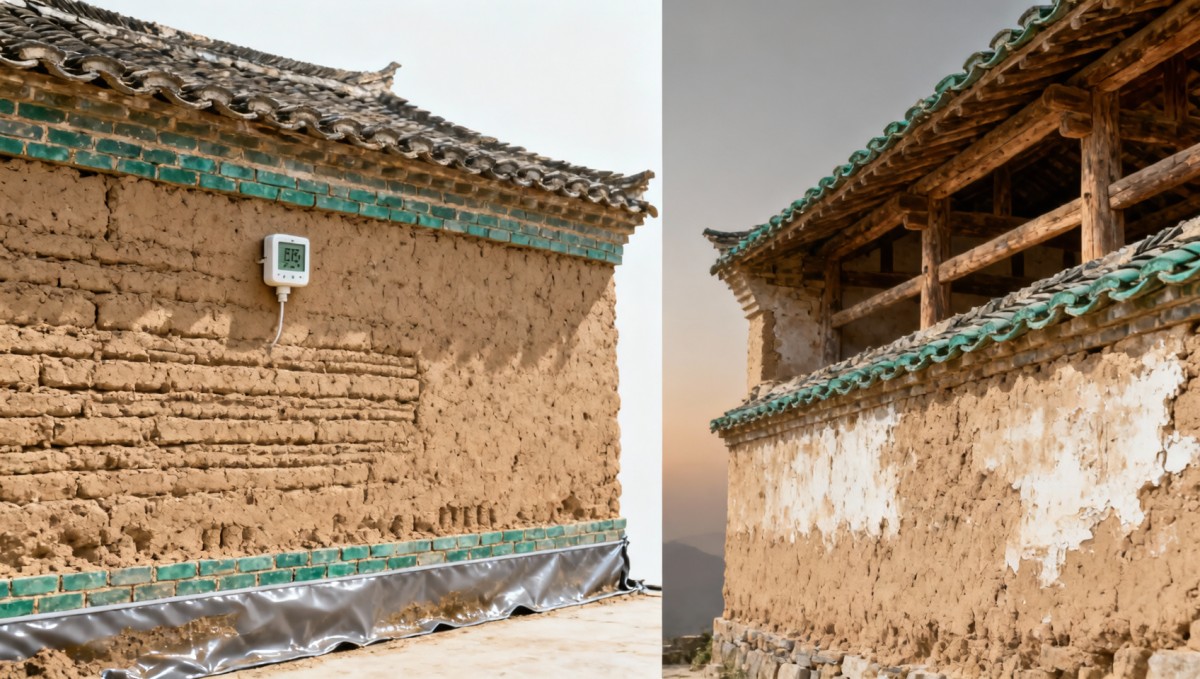
For corporate team-building clients, research institutions, and cultural tourism investors (B-end clients), evaluating whether ancient village homestays have long-term partnership value requires establishing five core assessment dimensions:
- Whether building renovations were implemented by provincial-level ancient architecture preservation qualified units (check construction filing numbers);
- Local artisan participation ≥3 persons/courtyard, with clear master-apprentice inheritance records;
- Supporting activities must include at least 2 Henan provincial intangible heritage items (e.g., Tang tri-color firing, Zhuxian Town woodblock New Year paintings, Xun County clay figurines);
- Completed third-party safety inspection reports for water-electricity-heating systems (valid ≤12 months);
- Annual capacity for ≥4-week customized content development cycles, supporting joint creation of teaching plans/itineraries/material systems.
Letu Travel Agency has completed ancient village resource screening for 17 organizations including an education group in Zhengzhou and parent-child travel platforms in Shenzhen, reducing average procurement decision cycles by 3.6 workdays while avoiding 3 typical contract risk points (ambiguous property rights, delayed fire inspections, lack of intangible heritage authorization).
Comparative Analysis Table of Three Problematic Homestay Types
Below is a comparison model developed by Letu's team based on field measurements and guest feedback from 32 sample homestays, applicable for procurement evaluation and risk prediction:
This table reveals a key fact: courtyards with genuine cultural exchange capabilities require longer upfront investment cycles, deeper local collaboration, and finer experiential granularity. Buyers focusing solely on 'room rates' or 'photogenic appeal' risk falling into short-term cost-performance traps.
Why Choose Henan Letu Travel Agency as Your Ancient Village Homestay Partner?
We're not resource intermediaries but cultural courtyard collaborators. Leveraging direct connections with 23 ancient village operators in Luoyang headquarters, 112 certified intangible heritage inheritors, and province-wide scenic spot green channels, Letu provides three irreplaceable service guarantees:
- Pre-contract cultural compatibility diagnostics: Deliver
+ pre-signing, clarifying implantable intangible heritage types, maximum capacity, and seasonal flow restrictions; - Dual-track delivery mechanism: Standard products (e.g., Longmen Grottoes night tours + Tang tri-color workshops) confirm schedules within 72 hours; customized requests (e.g., corporate carbon-neutral study trips) output 3 proposal versions within 4 workdays;
- Full-process contract insurance: All partner homestays undergo Letu's quality supervision system, triggering 2-hour response + 48-hour compensation for issues like fire standard violations, missing heritage masters, or transportation delays.
Currently, we're designing a 'Oracle Bone Hometown·Ancient Village Immersion Month' for a Yangtze River Delta corporate group, covering three modules: character rubbings, Shang Dynasty dining rituals, and bronze pattern handicrafts. The pilot passed ISO 21001 educational management system preliminary audit. Contact us for
Popular destinations
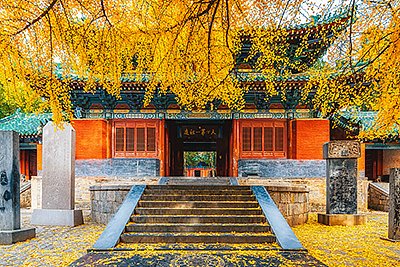
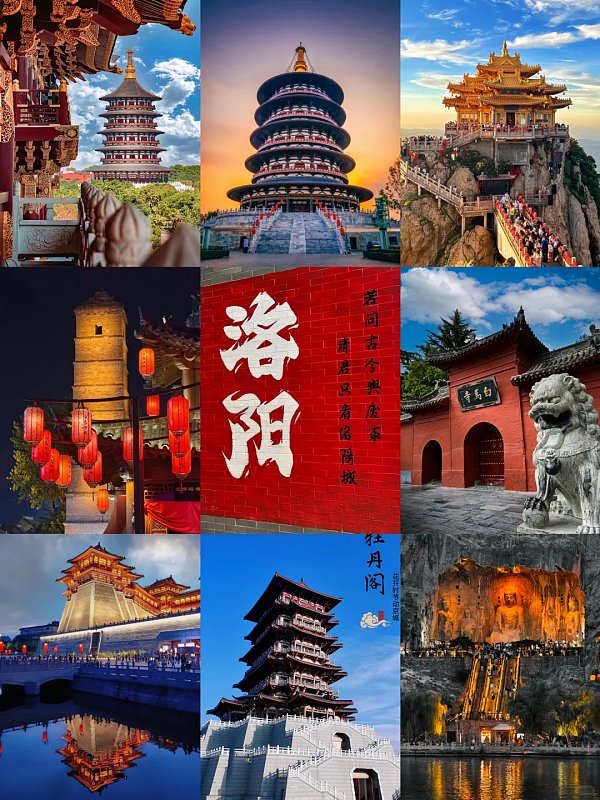
 Luoyang Longmen + Shaolin Kung Fu JourneyLongmen Grottoes are the imperial memories carved in stone, while Shaolin Temple embodies the Zen philosophy of martial arts life.
 Kaifeng One-Day Highlights TourKaifeng is an ancient city located in eastern Henan Province, China, renowned as the 'Capital of Eight Dynasties' and 'Living Northern Song Culture'.
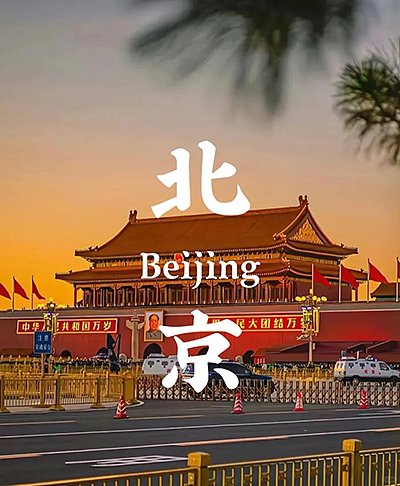
 Beijing Essence Two-Day TourBeijing is the window to history, where you can witness authentic historical relics like the Forbidden City, the Great Wall, and the Temple of Heaven. It is the cultural heartland—ride a rickshaw through the hutongs to experience traditional Beijing life, or visit Wangfujing and Sanlitun to immerse yourself in modern China's fashion and vibrancy. It is also a foodie's paradise, offering Peking duck and street snacks that rival imperial cuisine, satisfying every palate.
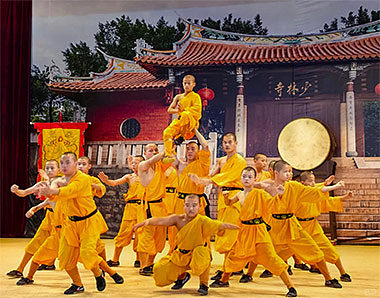
 The Shaolin Kung Fu JourneyShaolin Temple is the ancestral home of Chinese Zen Buddhism and the birthplace of martial arts worldwide, renowned for its 'Zen and Martial Unity.' In a nutshell: Want to see where 'Chinese Kung Fu' comes from? Shaolin Temple is the place.
") Luoyang Essence One-Day Tour (Customized Tour, April Peony Viewing)Root-Seeking Journey · A Daydream Back to the Divine Capital: On this day, we are not just tourists, but also returning descendants of "Old Home Henan."
Luoyang Essence One-Day Tour (Customized Tour, April Peony Viewing)Root-Seeking Journey · A Daydream Back to the Divine Capital: On this day, we are not just tourists, but also returning descendants of "Old Home Henan."") Xi'an Highlights One-Day Tour (Customizable Itinerary)From the Terracotta Warriors to the Tang Paradise · Experience the essence of Chang'an in a day. On this day, we won't just be passing tourists, but true 'Chang'an guests.'
Xi'an Highlights One-Day Tour (Customizable Itinerary)From the Terracotta Warriors to the Tang Paradise · Experience the essence of Chang'an in a day. On this day, we won't just be passing tourists, but true 'Chang'an guests.'") Luoyang Leisure Two-Day Tour (Customizable Tour in April to View Peonies)To inquire about the rise and fall of ancient and modern affairs, just look at Luoyang City."
Luoyang Leisure Two-Day Tour (Customizable Tour in April to View Peonies)To inquire about the rise and fall of ancient and modern affairs, just look at Luoyang City."
Some say Luoyang is a city favored by time.
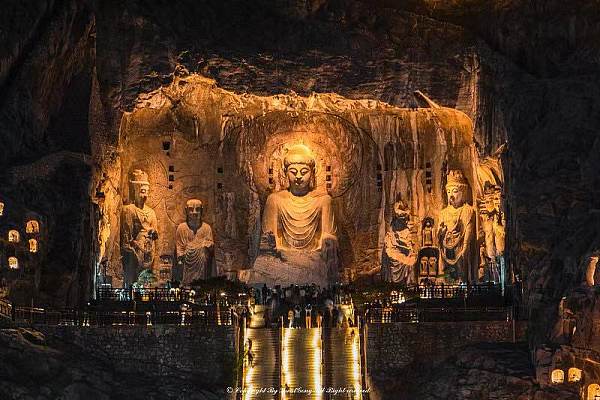
She is not the kind of stunning beauty that captivates at first glance. Her charm lies hidden—in the subtle smile of the Great Buddha of Longmen Grottoes, carved with devotion by artisans of Empress Wu Zetian's era. That smile, exuding compassion, predates the Mona Lisa by a thousand years. Chengdu RouteChengdu, hailed as the 'Land of Abundance' for leisure, is also the hometown of giant pandas, where you can get up close to admire the 'national treasures' in their natural charm. The city's core allure lies in its unique 'slow-living' aesthetic: the aroma-filled streets of hotpot skewers, the time-honored old teahouses, and the inclusive atmosphere that perfectly blends modern fashion with the hustle and bustle of urban life, making visitors reluctant to leave.
 Hangzhou RouteHangzhou is known as 'Heaven on Earth,' a perfect blend of traditional Jiangnan charm and modern technology. The magic of Hangzhou lies in the fact that one moment you can be listening to the bell chimes of a thousand-year-old temple, and the next, you can be sipping premium coffee in a modern shopping mall.
 Family-friendly travel itinerary 2Standing at the 'center of the world,' deepen the knowledge from books and broaden the horizons through travel.
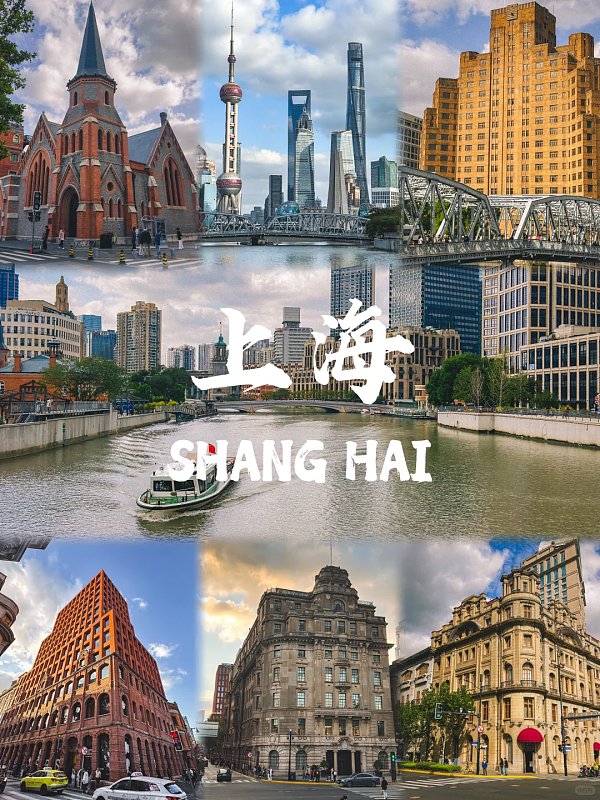
 Shanghai Research Summer CampShanghai is China's economic, financial, trade, and shipping hub, a cosmopolitan metropolis that blends modern prosperity with profound historical heritage. Here, you can find both the century-old charm of the Bund and the lively atmosphere of Old Town, as well as the skyscrapers of Lujiazui and world-class cultural tourism experiences.
 Study Tour Travel ItineraryGoing to Shanghai for a study tour is, simply put, a 'walking classroom,' with the core meaning being to closely connect textbook knowledge with real-life experiences.
 Beijing Essence Customized 5-Day Pure Play TourBeijing Essence 5-Day Pure Play Customized Tour, with private car transfers to visit world cultural heritage sites such as the Forbidden City, the Great Wall, and Tiananmen Square. Experience Hutong culture, enjoy a shopping-free itinerary, and benefit from multilingual guide services for a private and exclusive travel experience.
 Shanghai + Suzhou + Wuzhen 6-Day Custom TourImmersive Experience of Jiangnan's Scenic Beauty~
") 4 Days & 3 Nights Customized Tour in Luoyang (Peony Viewing Available in April)This city, known as the 'Ancient Capital of Thirteen Dynasties' and the 'Divine Capital', is engraved with the historical and cultural imprint of the 'Earliest China'.
4 Days & 3 Nights Customized Tour in Luoyang (Peony Viewing Available in April)This city, known as the 'Ancient Capital of Thirteen Dynasties' and the 'Divine Capital', is engraved with the historical and cultural imprint of the 'Earliest China'.
"Only the peony is truly the nation's beauty, blooming in season to move the capital." In 1982, Luoyang designated the peony as its city flower, and every April, it hosts the China Luoyang Peony Culture Festival.
Symbolic meaning: The king of flowers, representing wealth, prosperity, and auspiciousness. Xi'an 5-Day In-Depth TourThe ancient capital of thirteen dynasties, one of the world's four great ancient capitals, the starting point of the Silk Road, and the ancestral home of 'Glorious Tang Chang'an' in the hearts of overseas Chinese.
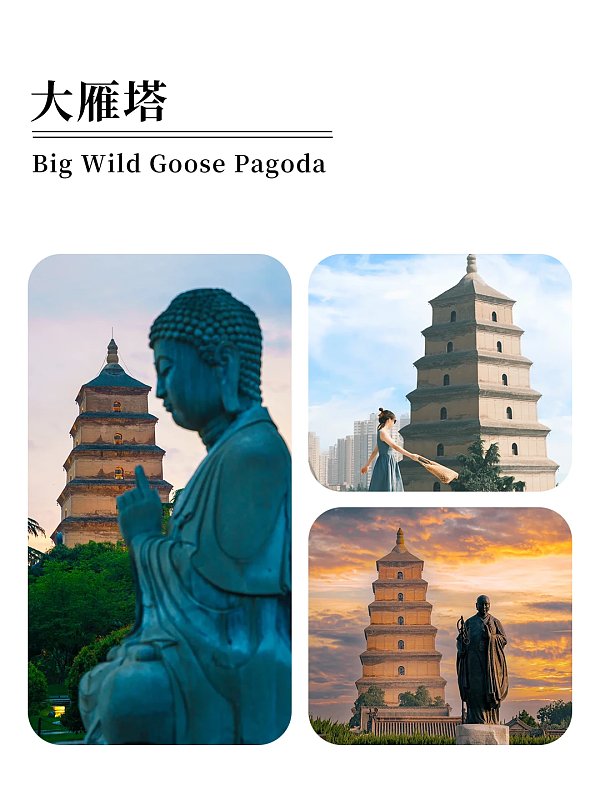
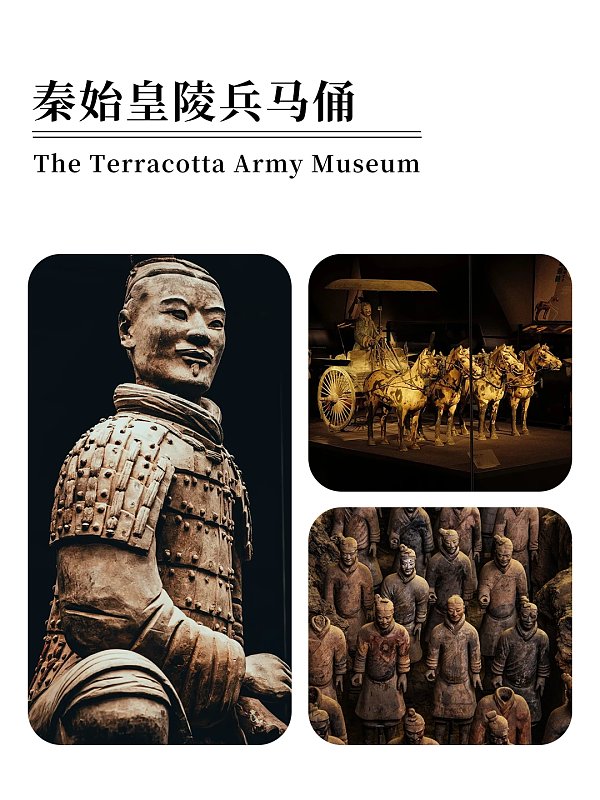
Here lies the Eighth Wonder of the World—the Terracotta Army, China's best-preserved Ming Dynasty city wall, the Great Wild Goose Pagoda where Xuanzang translated Buddhist scriptures, and the dreamlike Tang Dynasty Ever-Bright City at night.