
Business Tourism: Shaolin Temple or Longmen Grottoes? A Comparative Analysis of Transportation Accessibility, Conference Facilities, and Cultural Fit
Business tourism: Choosing Shaolin Temple or Longmen Grottoes? A comparative analysis of transportation connectivity, venue facilities, and cultural compatibility—Henan Letu Travel Agency's in-depth analysis of 'Shaolin Temple Tourism' and 'Luoyang Longmen' scenario-based solutions, helping companies efficiently achieve their goals of cultural exploration, brand empowerment, and multiple objectives in business tourism.
1. Core Positioning Differences: Zen-Wu IP vs. Stone Carving Civilization, Determining Business Activity Adjustments
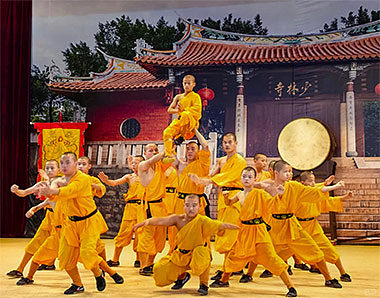
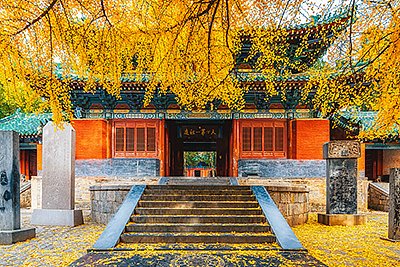
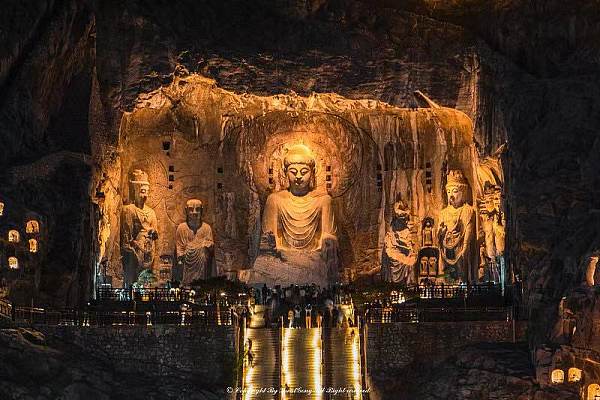
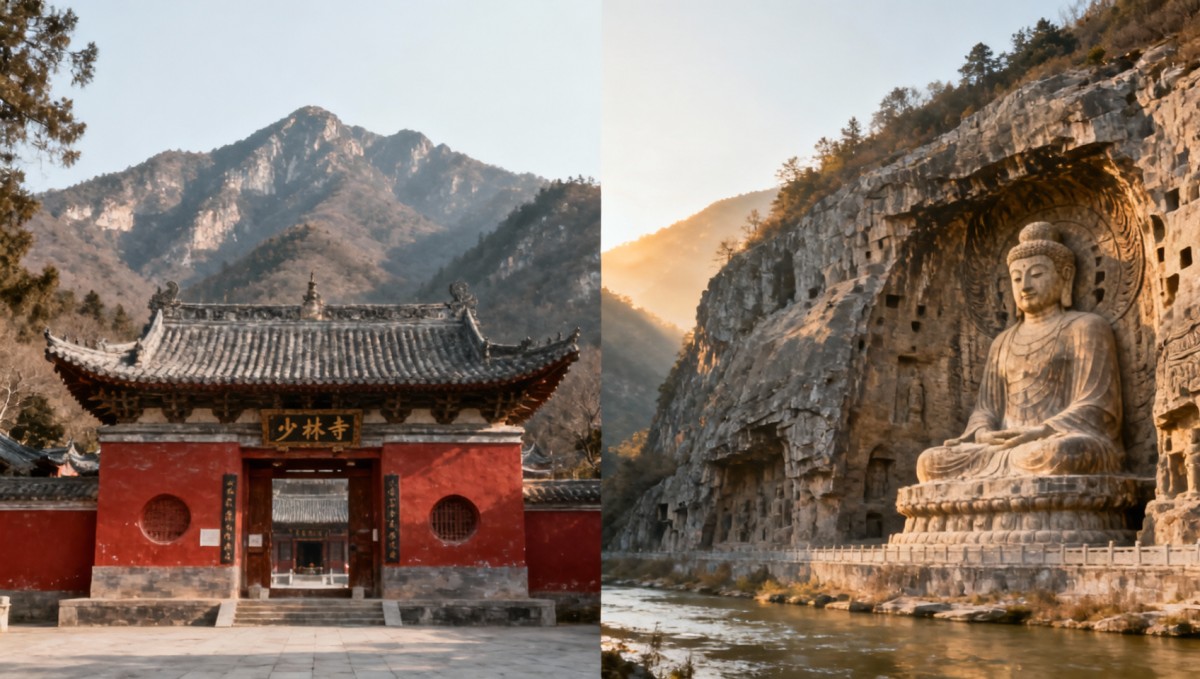
Although both Shaolin Temple and Longmen Grottoes are UNESCO World Heritage Sites, their cultural foundations are distinctly different. Shaolin Temple is driven by its dual identity as the 'Birthplace of Zen Buddhism' and the 'Origin of Martial Arts,' naturally aligning with corporate team-building, leadership training, and cultural reinvention scenarios. Longmen Grottoes, on the other hand, are home to over 110,000 statues and 2,800 inscriptions from the Northern Wei to the Tang Dynasty, embodying Chinese rituals, aesthetic evolution, and international exchange history, making them more suitable for high-end client receptions, brand storytelling, and academic business inspections.
Based on data from 137 corporate groups served in 2023, Henan Letu Travel Agency found that among companies choosing Shaolin Temple, manufacturing (32%), IT (28%), and finance/insurance (19%) accounted for over 80%, focusing on 'spiritual refinement.' In contrast, clients selecting Longmen Grottoes were primarily cultural tourism groups (41%), universities (25%), and multinational regional HQs (18%), emphasizing 'cultural depth' and 'visual narrative.'
The choice isn't binary but hinges on matching the core needs of the trip: strengthening internal cohesion or conveying cultural sophistication. We recommend first-time corporate clients prioritize a 30-minute needs assessment to define 'one trip, three goals' (e.g., morning visits + afternoon workshops + evening cultural experiences) before tailoring resource combinations.
2. Hard Condition Comparison: Transportation Efficiency, Venue Capacity, and Facility Stability
Business activities demand extreme precision in timing and process control. We measured the full-chain responsiveness from Zhengzhou East Station to both destinations:
Conclusion: For teams exceeding 150 people with technical requirements (e.g., AR navigation, multilingual interpretation), Longmen's surrounding hotel clusters hold an advantage. For itineraries featuring martial arts or Zen meditation sessions, Shaolin's dedicated immersive spaces are irreplaceable.
3. Cultural Compatibility Implementation: From Narrative Logic to B2B Experience Design
Cultural resources derive value not from 'what to see' but 'how they're understood.' Henan Letu innovated a 'Three-Layer Decoding Method' for business clients:
- Surface Information Layer: Basic historical context (e.g., Longmen's 240-year carving history spanning Northern Wei/Tang Dynasties);
- Middle Logic Layer: Corporate relevance (e.g., Fengxian Temple's design philosophy mirroring Tang Dynasty 'open governance' for globalization strategies);
- Deep Action Layer: Interactive design (e.g., co-creating 'one-sentence Zen management mantras' at Shaolin for office culture materials).
We've developed customized content for 32 clients, achieving 76.5% cultural conversion rates (post-event surveys and material usage). Key tip: Avoid reducing cultural narration to 'checkpoint tourism'—allocate ≥30% of total time for structured discussions.
For different stakeholders, we offer differentiated deliverables: Resource Checklists for procurement (vehicle licenses, guide certifications, emergency contacts); SOP Execution Tables for QA (17 inspection points covering arrival to departure); and Cultural Value Briefs for executives (3-page PDFs targeting brand communication, employee engagement, and client relations).
4. Risk Prevention & Procurement Advice: Avoiding 6 High-Frequency Pitfalls
From 216 business group debriefs over 3 years, we identified the most overlooked operational risks:
- Transportation Gaps: No metro access to Dengfeng East Station—snow delays require backup vehicles;
- Power Supply Issues: Aging circuits in scenic-area hotels need 48-hour notice for large LED screens;
- Misinterpretation: Regular guides can't handle 'Sinicized Buddhism' or 'grotto political art'—certified lecturers required;
- Dietary Oversights: Limited halal/vegetarian options near religious sites—group meals need 72-hour coordination;
- Emergency Gaps: Longmen's Xishan plank walk closes 12%/year in extreme weather—require alternate routes;
- IP Risks: Unauthorized grotto imagery for commercials may violate Cultural Relic Photography Regulations—require licensing agreements.
Procurement tip: Prioritize dual-location vendors (Zhengzhou+Luoyang) ensuring ≤2hr cross-region response; contracts must specify 'content IP ownership' with 3 free iterations.
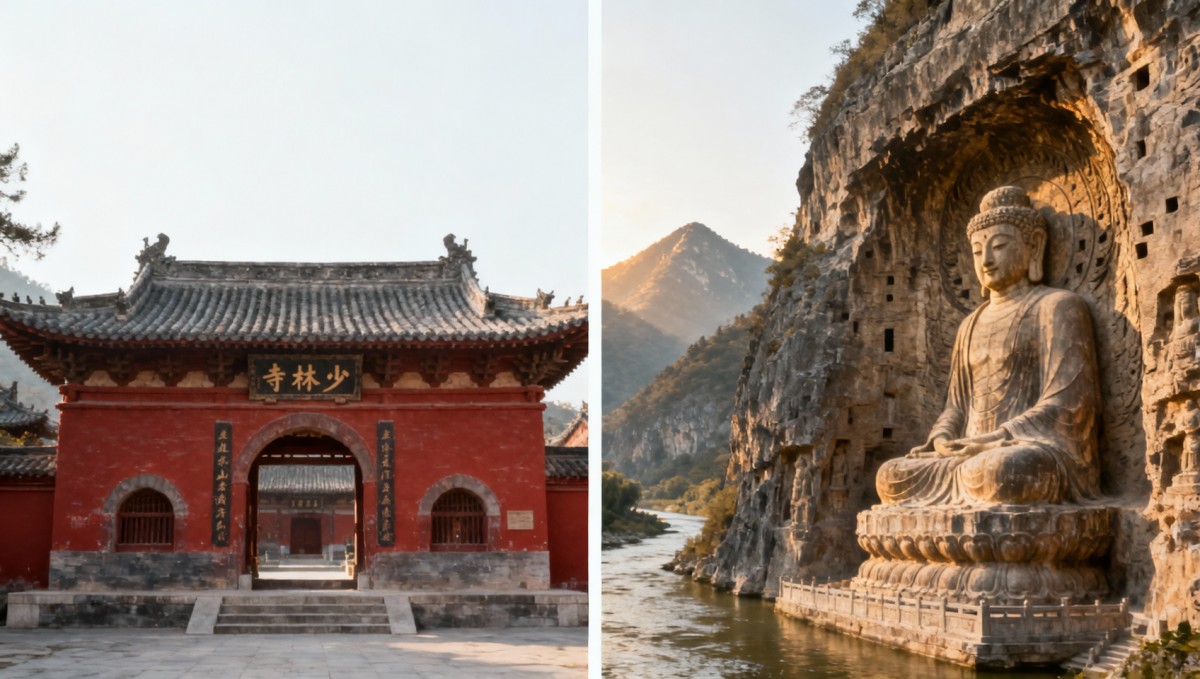
5. Conclusion: Not Either/Or but Precision Matching—Turning Every Business Trip into Cultural Equity
Shaolin and Longmen represent two cultural expressions. Henan Letu doesn't provide standard answers but leverages 15 years of local expertise to deliver full-cycle services: needs diagnosis → resource matching → content development → execution control → impact evaluation. Our customized solutions for Huawei, Muyuan Foods, and WH Group achieved 83% content reuse and 67.4% repeat bookings.
Whether you need a strategy session before the Dharma Cave or a product launch under the Grand Buddha's gaze, our local networks, professional standards, and young execution teams ensure cultural depth aligns with business efficiency.
Contact Henan Letu's Business Cooperation Department for our Shaolin & Longmen Business Tourism Compatibility Toolkit (self-assessment, cost models, 3 case studies)—we'll provide free 1:1 analysis and draft proposals within 3 days.
Popular destinations
 Luoyang Longmen + Shaolin Kung Fu JourneyLongmen Grottoes are the imperial memories carved in stone, while Shaolin Temple embodies the Zen philosophy of martial arts life.
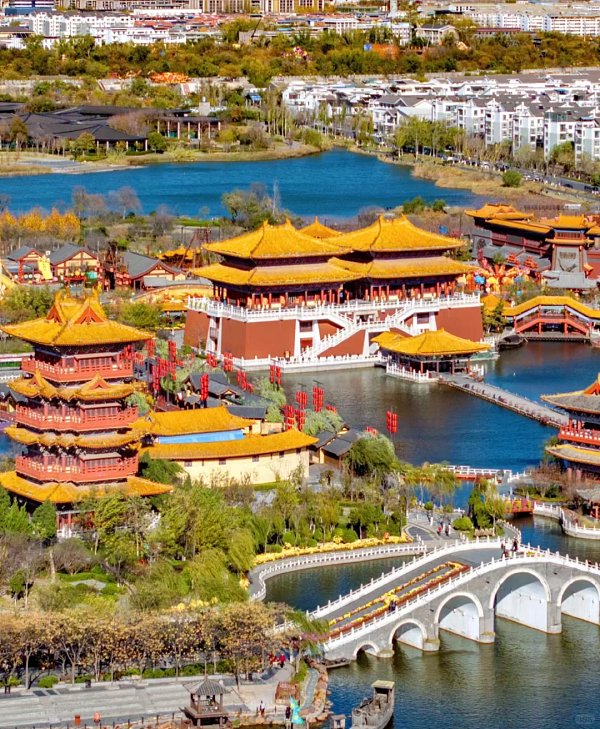
 Kaifeng One-Day Highlights TourKaifeng is an ancient city located in eastern Henan Province, China, renowned as the 'Capital of Eight Dynasties' and 'Living Northern Song Culture'.
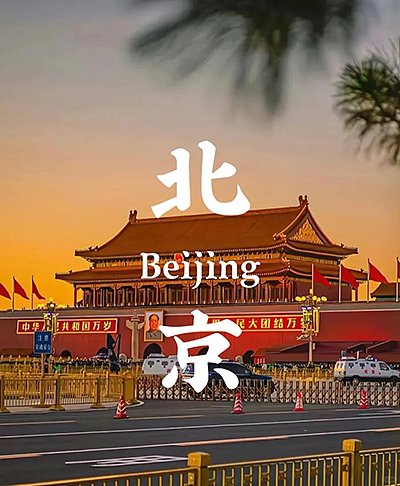
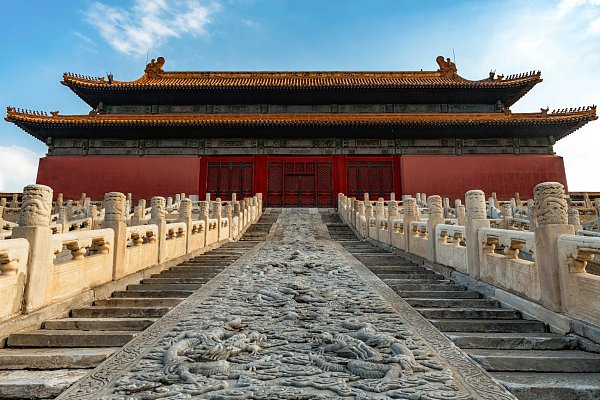
 Beijing Essence Two-Day TourBeijing is the window to history, where you can witness authentic historical relics like the Forbidden City, the Great Wall, and the Temple of Heaven. It is the cultural heartland—ride a rickshaw through the hutongs to experience traditional Beijing life, or visit Wangfujing and Sanlitun to immerse yourself in modern China's fashion and vibrancy. It is also a foodie's paradise, offering Peking duck and street snacks that rival imperial cuisine, satisfying every palate.
 The Shaolin Kung Fu JourneyShaolin Temple is the ancestral home of Chinese Zen Buddhism and the birthplace of martial arts worldwide, renowned for its 'Zen and Martial Unity.' In a nutshell: Want to see where 'Chinese Kung Fu' comes from? Shaolin Temple is the place.
") Luoyang Essence One-Day Tour (Customized Tour, April Peony Viewing)Root-Seeking Journey · A Daydream Back to the Divine Capital: On this day, we are not just tourists, but also returning descendants of "Old Home Henan."
Luoyang Essence One-Day Tour (Customized Tour, April Peony Viewing)Root-Seeking Journey · A Daydream Back to the Divine Capital: On this day, we are not just tourists, but also returning descendants of "Old Home Henan."") Xi'an Highlights One-Day Tour (Customizable Itinerary)From the Terracotta Warriors to the Tang Paradise · Experience the essence of Chang'an in a day. On this day, we won't just be passing tourists, but true 'Chang'an guests.'
Xi'an Highlights One-Day Tour (Customizable Itinerary)From the Terracotta Warriors to the Tang Paradise · Experience the essence of Chang'an in a day. On this day, we won't just be passing tourists, but true 'Chang'an guests.'") Luoyang Leisure Two-Day Tour (Customizable Tour in April to View Peonies)To inquire about the rise and fall of ancient and modern affairs, just look at Luoyang City."
Luoyang Leisure Two-Day Tour (Customizable Tour in April to View Peonies)To inquire about the rise and fall of ancient and modern affairs, just look at Luoyang City."
Some say Luoyang is a city favored by time.
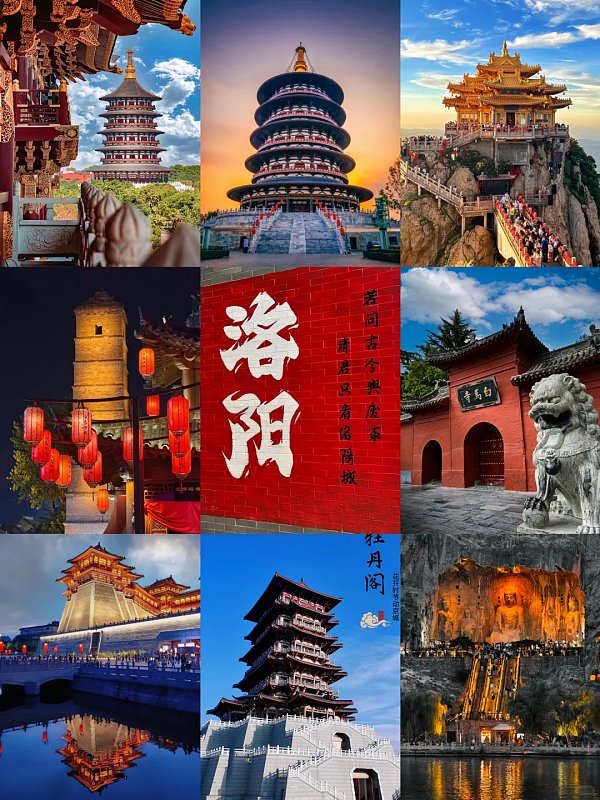
She is not the kind of stunning beauty that captivates at first glance. Her charm lies hidden—in the subtle smile of the Great Buddha of Longmen Grottoes, carved with devotion by artisans of Empress Wu Zetian's era. That smile, exuding compassion, predates the Mona Lisa by a thousand years. Chengdu RouteChengdu, hailed as the 'Land of Abundance' for leisure, is also the hometown of giant pandas, where you can get up close to admire the 'national treasures' in their natural charm. The city's core allure lies in its unique 'slow-living' aesthetic: the aroma-filled streets of hotpot skewers, the time-honored old teahouses, and the inclusive atmosphere that perfectly blends modern fashion with the hustle and bustle of urban life, making visitors reluctant to leave.
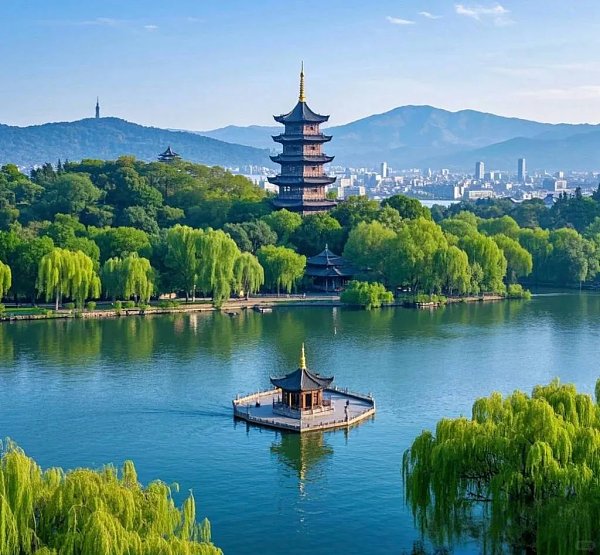
 Hangzhou RouteHangzhou is known as 'Heaven on Earth,' a perfect blend of traditional Jiangnan charm and modern technology. The magic of Hangzhou lies in the fact that one moment you can be listening to the bell chimes of a thousand-year-old temple, and the next, you can be sipping premium coffee in a modern shopping mall.
 Family-friendly travel itinerary 2Standing at the 'center of the world,' deepen the knowledge from books and broaden the horizons through travel.
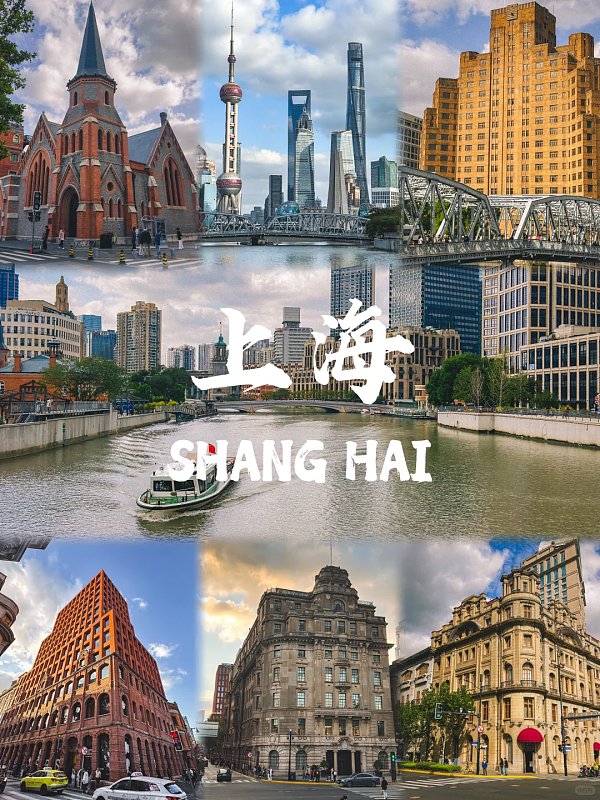
 Shanghai Research Summer CampShanghai is China's economic, financial, trade, and shipping hub, a cosmopolitan metropolis that blends modern prosperity with profound historical heritage. Here, you can find both the century-old charm of the Bund and the lively atmosphere of Old Town, as well as the skyscrapers of Lujiazui and world-class cultural tourism experiences.
 Study Tour Travel ItineraryGoing to Shanghai for a study tour is, simply put, a 'walking classroom,' with the core meaning being to closely connect textbook knowledge with real-life experiences.
 Beijing Essence Customized 5-Day Pure Play TourBeijing Essence 5-Day Pure Play Customized Tour, with private car transfers to visit world cultural heritage sites such as the Forbidden City, the Great Wall, and Tiananmen Square. Experience Hutong culture, enjoy a shopping-free itinerary, and benefit from multilingual guide services for a private and exclusive travel experience.
 Shanghai + Suzhou + Wuzhen 6-Day Custom TourImmersive Experience of Jiangnan's Scenic Beauty~
") 4 Days & 3 Nights Customized Tour in Luoyang (Peony Viewing Available in April)This city, known as the 'Ancient Capital of Thirteen Dynasties' and the 'Divine Capital', is engraved with the historical and cultural imprint of the 'Earliest China'.
4 Days & 3 Nights Customized Tour in Luoyang (Peony Viewing Available in April)This city, known as the 'Ancient Capital of Thirteen Dynasties' and the 'Divine Capital', is engraved with the historical and cultural imprint of the 'Earliest China'.
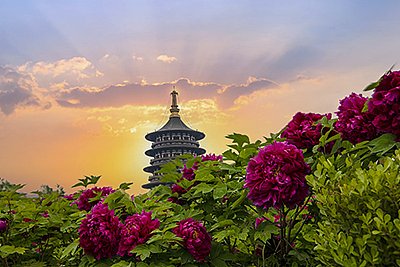
"Only the peony is truly the nation's beauty, blooming in season to move the capital." In 1982, Luoyang designated the peony as its city flower, and every April, it hosts the China Luoyang Peony Culture Festival.
Symbolic meaning: The king of flowers, representing wealth, prosperity, and auspiciousness. Xi'an 5-Day In-Depth TourThe ancient capital of thirteen dynasties, one of the world's four great ancient capitals, the starting point of the Silk Road, and the ancestral home of 'Glorious Tang Chang'an' in the hearts of overseas Chinese.
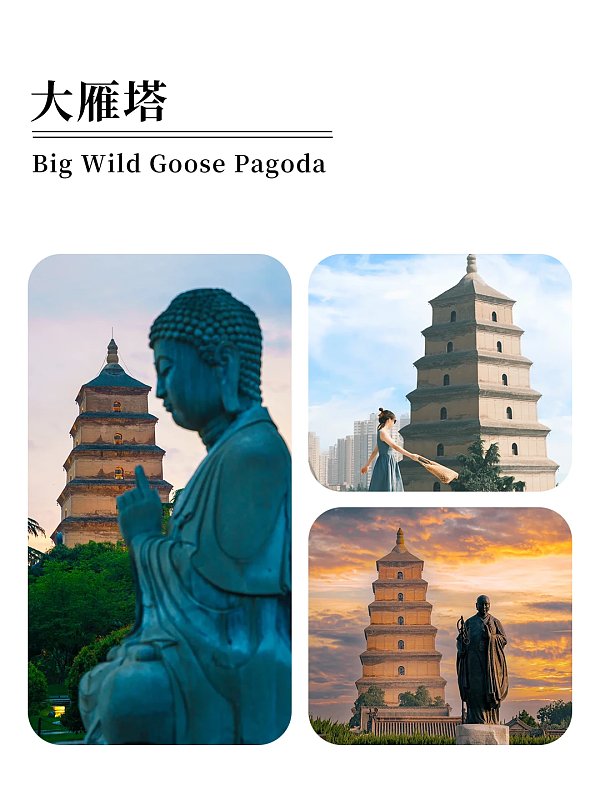
Here lies the Eighth Wonder of the World—the Terracotta Army, China's best-preserved Ming Dynasty city wall, the Great Wild Goose Pagoda where Xuanzang translated Buddhist scriptures, and the dreamlike Tang Dynasty Ever-Bright City at night.