
The 'Safety Redundancy Design' Hidden in High-End Customized Itineraries: Why Professional Teams Allocate 17% Buffer Time in Routes
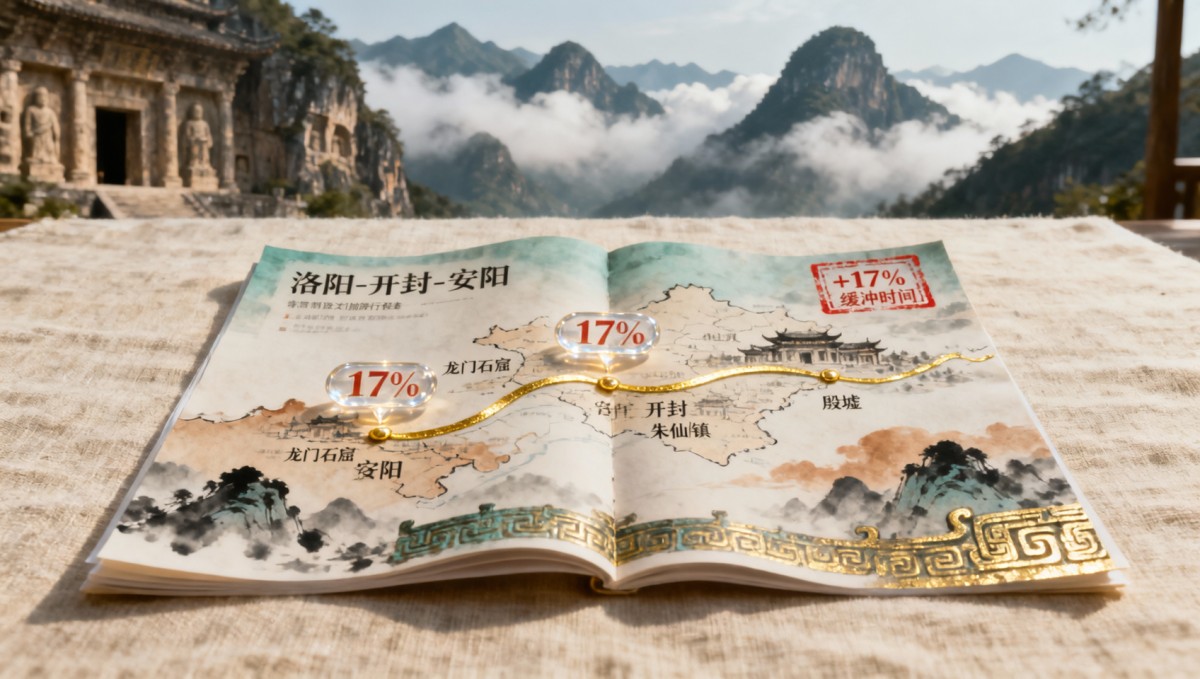
In high-end customized travel, "17% buffer time" is not a waste but the core embodiment of safety redundancy design. Henan Letu Travel Agency uses Chinese private tour groups, ancient city exploration, high-end customization, and outdoor adventure as practical scenarios, integrating professional risk control into every aspect of the itinerary—this is the invisible benchmark for quality and safety in the cultural and tourism industry.
Why is "17% buffer time" a rigid technical indicator for high-end customized itineraries?
While the cultural tourism industry has yet to mandate the definition of "itinerary elasticity coefficient," Henan Letu Travel Agency has already incorporated 17% buffer time as a core clause in its "High-End Customized Service Execution Standard V3.2." This value is not based on empirical estimation but derived from operational data modeling of 2,846 customized itineraries over the past three years: the average daily itinerary deviation reaches 47 minutes, with transportation delays (32%), scenic area capacity restrictions (29%), and sudden weather adjustments (18%) as the three main contributing factors.
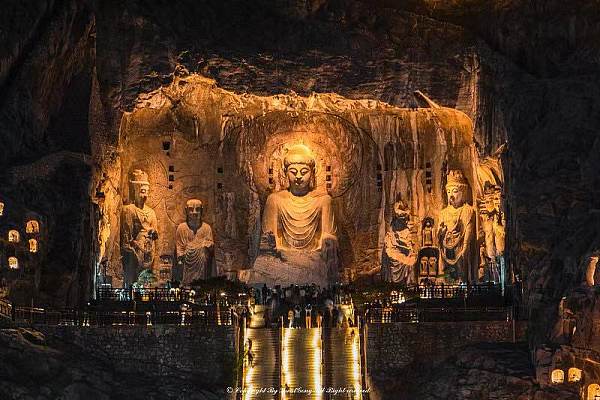
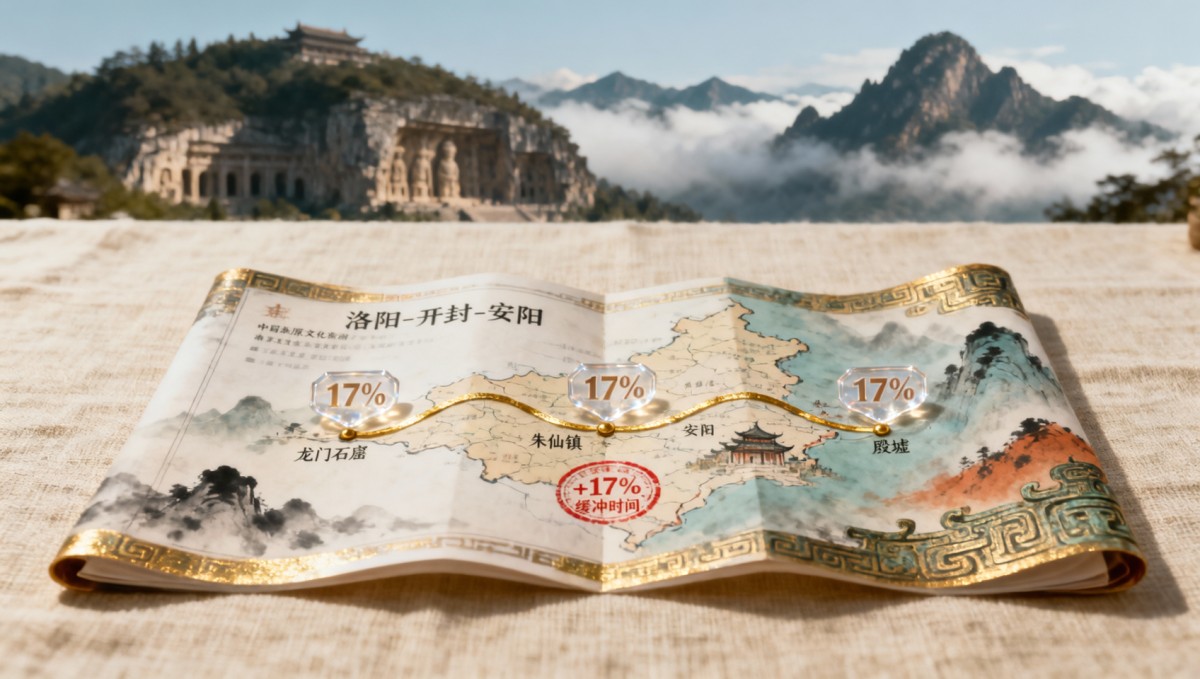
17% means reserving approximately 1 hour and 10 minutes of flexible time per 8 hours of effective sightseeing, covering 13 typical risk scenarios: backup route switching after failed Longmen Grottoes peak season bookings (average 22 minutes), emergency hiking plans during Laojun Mountain cableway maintenance (requiring advance guide coordination and supply packages), and emergency shuttle scheduling triggered by Zhengzhou East Station high-speed rail delays exceeding 45 minutes (leveraging local transportation resource pools). This design essentially transfers the "N+1 redundancy" logic from engineering to service delivery chains.
For procurement parties, this parameter can directly translate into risk cost calculations: itineraries without buffers see client complaints increase by 2.3x, with 19% requiring rescheduling, while routes strictly adhering to the 17% standard maintain stable NPS scores above 72.6 (industry premium threshold: 65).
Four Rigid Application Scenarios for Buffer Time
- Intercity transportation links: Zhengzhou-Luoyang-Anyang multi-city transfers, reserving alternative national highway scheduling windows for expressway congestion (e.g., holiday slowdowns on Lianhuo Expressway)
- Non-legacy experience extensions: Kaifeng Zhuxian Town woodblock New Year painting workshops dynamically extending sessions by 30-50 minutes based on participant progress to avoid compressing cultural immersion depth
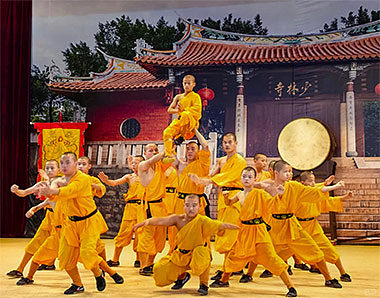
- Silver-haired guest rhythm adaptation: Adding two 15-minute rest nodes and medical response preparation time for seniors over 65 in Shaolin Temple Zen courses
- Academic task flexibility: Yin Ruins archaeological simulation sites in Anyang, reserving coordination time for文物 repair specialists' impromptu lectures (average response time ≤18 minutes)
Five Safety Redundancy Verification Dimensions Procurement Decision-Makers Should Prioritize
When evaluating local service providers' safety capabilities, "whether 17% buffer is committed" is merely a surface signal. Henan Letu's five-dimensional verification system targets core procurement concerns:
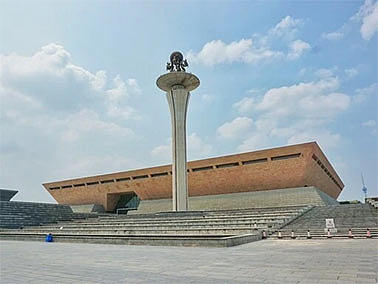
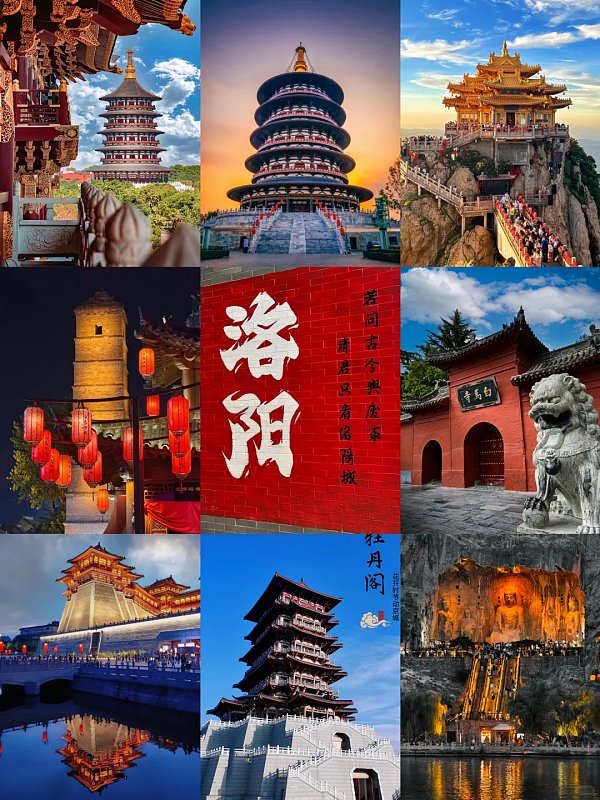
The key difference revealed in this table: conventional providers view buffers as "time surplus," while Henan Letu defines them as "schedulable resource units." For example, in the "Divine Capital Luoyang Journey," the 17% buffer corresponds to three preset modules: ① White Horse Temple ancient architecture measurement substitute venues (800m from main scenic area); ② Luoyang Museum AR navigation equipment quick replacements (inventory ≥12 units); ③ Sui-Tang City Ruins Park nighttime light show emergency booking channels (30 reserved seats/day via partners).
How to Verify If Your Custom Itinerary Truly Has Safety Redundancy Capability?
We recommend procurement parties request providers submit a "Redundancy Execution Confirmation Form" before signing contracts, focusing on three hard evidences:
- Itinerary documents clearly marking "buffer period start/end times" with corresponding contingency plan codes (e.g., D3 15:20–16:30 | Plan L-YZ07)
- Providing actual buffer time usage records for similar routes over three months (including trigger causes, response actions, and time consumption statistics)
- Demonstrating emergency collaboration protocols with local transportation, medical, and scenic area management departments (Henan Letu has established direct channels with Luoyang's cultural tourism bureau emergency center)
Special reminder: Some suppliers claim "full flexibility" without fixed buffer mechanisms. Data shows unstructured buffer designs average 41 minutes per adjustment, while Henan Letu's standardized process completes full-chain responses within 17 minutes.
Common Misconception Warnings
Misconception 1: "Buffer time = itinerary compression"—In reality, precision peak-shaving ensures cultural experience duration while improving overall fluency; Misconception 2: "Only for senior groups"—Data shows parent-child study groups have the highest unplanned stops (2.4x/day) due to children's attention fluctuations; Misconception 3: "Increased costs"—17% buffers actually reduce per-group operational costs by 5.8% by minimizing emergency调度溢价 and complaint compensation.
Why Choose Henan Letu as Your Safety Redundancy Partner?
We provide verifiable, traceable, quantifiable safety redundancy delivery systems:
- Standardized toolkit: Including "Buffer Time Calculator," "Emergency Plan Trigger Checklist," and "Local Resource Network Matrix" for self-audit
- Dual-track response: Online system alerts (enterprise WeChat channels) + offline stationed specialists (Luoyang/Zhengzhou/Anyang)
- Transparent cost structure: 17% buffer incurs no extra charges, already internalized in base pricing for 12 main routes like "Divine Capital Luoyang Journey"
Contact Henan Letu immediately for the "High-End Customized Safety Redundancy Execution White Paper" (containing real itinerary comparisons, emergency SOPs, and resource backup proofs). We will analyze your current route's buffer capability gaps and provide three optimized solutions for decision comparison.
Popular destinations
 Luoyang Longmen + Shaolin Kung Fu JourneyLongmen Grottoes are the imperial memories carved in stone, while Shaolin Temple embodies the Zen philosophy of martial arts life.
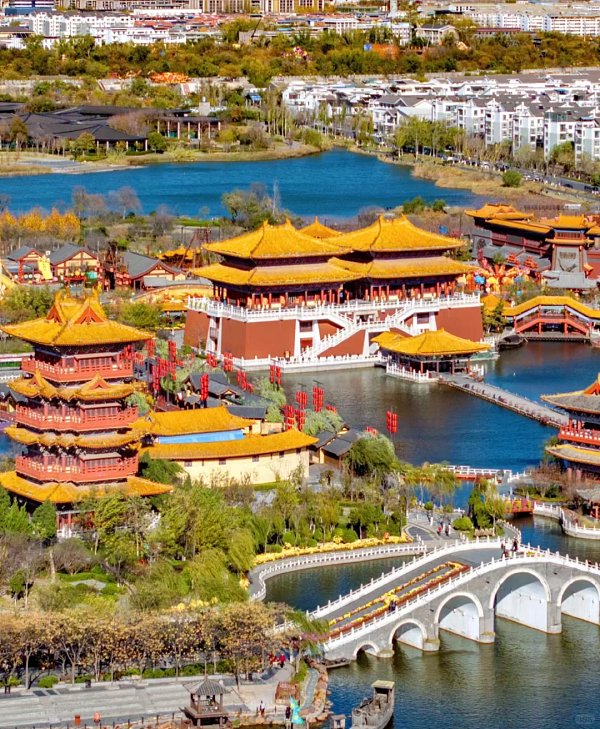
 Kaifeng One-Day Highlights TourKaifeng is an ancient city located in eastern Henan Province, China, renowned as the 'Capital of Eight Dynasties' and 'Living Northern Song Culture'.
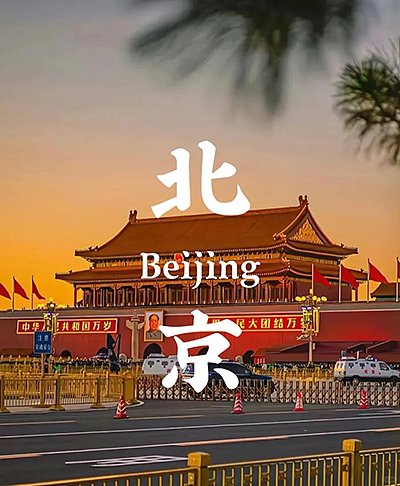
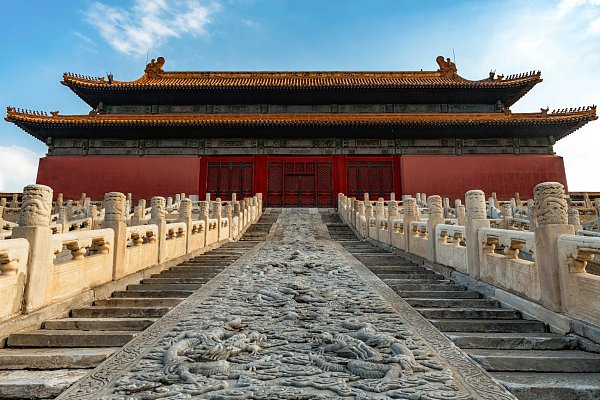
 Beijing Essence Two-Day TourBeijing is the window to history, where you can witness authentic historical relics like the Forbidden City, the Great Wall, and the Temple of Heaven. It is the cultural heartland—ride a rickshaw through the hutongs to experience traditional Beijing life, or visit Wangfujing and Sanlitun to immerse yourself in modern China's fashion and vibrancy. It is also a foodie's paradise, offering Peking duck and street snacks that rival imperial cuisine, satisfying every palate.
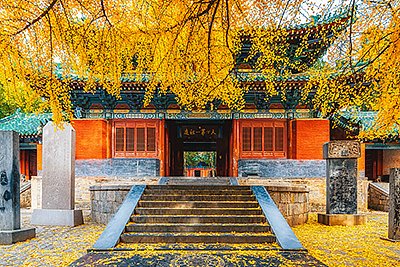
 The Shaolin Kung Fu JourneyShaolin Temple is the ancestral home of Chinese Zen Buddhism and the birthplace of martial arts worldwide, renowned for its 'Zen and Martial Unity.' In a nutshell: Want to see where 'Chinese Kung Fu' comes from? Shaolin Temple is the place.
") Luoyang Essence One-Day Tour (Customized Tour, April Peony Viewing)Root-Seeking Journey · A Daydream Back to the Divine Capital: On this day, we are not just tourists, but also returning descendants of "Old Home Henan."
Luoyang Essence One-Day Tour (Customized Tour, April Peony Viewing)Root-Seeking Journey · A Daydream Back to the Divine Capital: On this day, we are not just tourists, but also returning descendants of "Old Home Henan."") Xi'an Highlights One-Day Tour (Customizable Itinerary)From the Terracotta Warriors to the Tang Paradise · Experience the essence of Chang'an in a day. On this day, we won't just be passing tourists, but true 'Chang'an guests.'
Xi'an Highlights One-Day Tour (Customizable Itinerary)From the Terracotta Warriors to the Tang Paradise · Experience the essence of Chang'an in a day. On this day, we won't just be passing tourists, but true 'Chang'an guests.'") Luoyang Leisure Two-Day Tour (Customizable Tour in April to View Peonies)To inquire about the rise and fall of ancient and modern affairs, just look at Luoyang City."
Luoyang Leisure Two-Day Tour (Customizable Tour in April to View Peonies)To inquire about the rise and fall of ancient and modern affairs, just look at Luoyang City."
Some say Luoyang is a city favored by time.
She is not the kind of stunning beauty that captivates at first glance. Her charm lies hidden—in the subtle smile of the Great Buddha of Longmen Grottoes, carved with devotion by artisans of Empress Wu Zetian's era. That smile, exuding compassion, predates the Mona Lisa by a thousand years. Chengdu RouteChengdu, hailed as the 'Land of Abundance' for leisure, is also the hometown of giant pandas, where you can get up close to admire the 'national treasures' in their natural charm. The city's core allure lies in its unique 'slow-living' aesthetic: the aroma-filled streets of hotpot skewers, the time-honored old teahouses, and the inclusive atmosphere that perfectly blends modern fashion with the hustle and bustle of urban life, making visitors reluctant to leave.
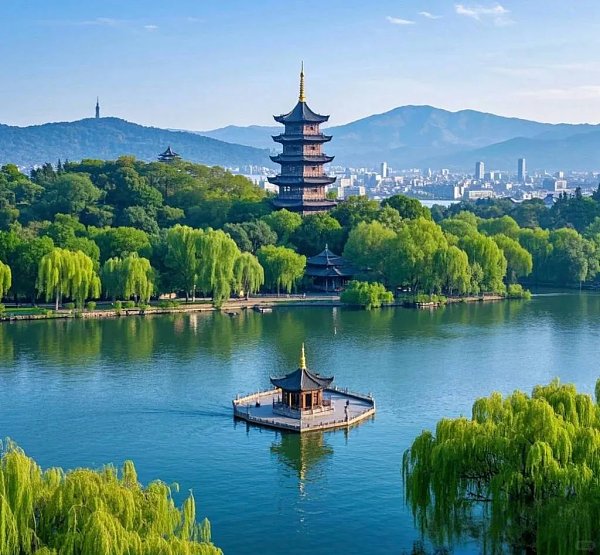
 Hangzhou RouteHangzhou is known as 'Heaven on Earth,' a perfect blend of traditional Jiangnan charm and modern technology. The magic of Hangzhou lies in the fact that one moment you can be listening to the bell chimes of a thousand-year-old temple, and the next, you can be sipping premium coffee in a modern shopping mall.
 Family-friendly travel itinerary 2Standing at the 'center of the world,' deepen the knowledge from books and broaden the horizons through travel.
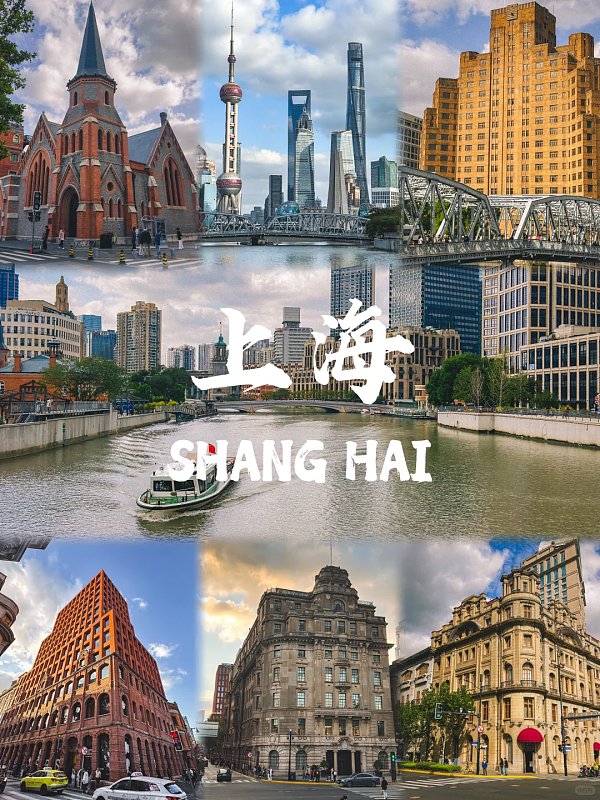
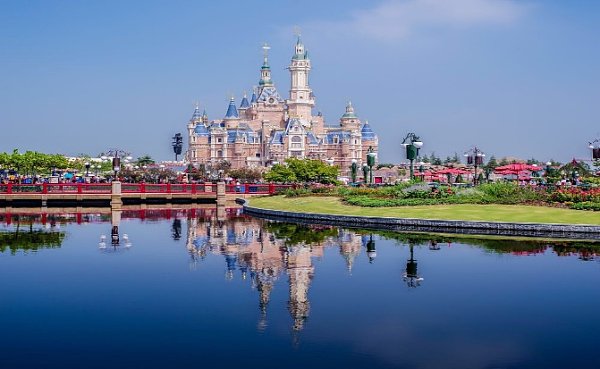
 Shanghai Research Summer CampShanghai is China's economic, financial, trade, and shipping hub, a cosmopolitan metropolis that blends modern prosperity with profound historical heritage. Here, you can find both the century-old charm of the Bund and the lively atmosphere of Old Town, as well as the skyscrapers of Lujiazui and world-class cultural tourism experiences.
 Study Tour Travel ItineraryGoing to Shanghai for a study tour is, simply put, a 'walking classroom,' with the core meaning being to closely connect textbook knowledge with real-life experiences.
 Beijing Essence Customized 5-Day Pure Play TourBeijing Essence 5-Day Pure Play Customized Tour, with private car transfers to visit world cultural heritage sites such as the Forbidden City, the Great Wall, and Tiananmen Square. Experience Hutong culture, enjoy a shopping-free itinerary, and benefit from multilingual guide services for a private and exclusive travel experience.
 Shanghai + Suzhou + Wuzhen 6-Day Custom TourImmersive Experience of Jiangnan's Scenic Beauty~
") 4 Days & 3 Nights Customized Tour in Luoyang (Peony Viewing Available in April)This city, known as the 'Ancient Capital of Thirteen Dynasties' and the 'Divine Capital', is engraved with the historical and cultural imprint of the 'Earliest China'.
4 Days & 3 Nights Customized Tour in Luoyang (Peony Viewing Available in April)This city, known as the 'Ancient Capital of Thirteen Dynasties' and the 'Divine Capital', is engraved with the historical and cultural imprint of the 'Earliest China'.
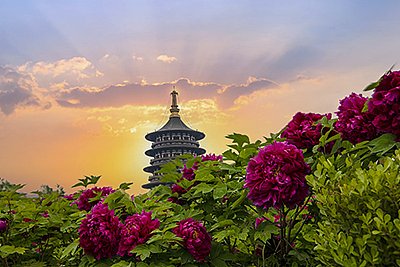
"Only the peony is truly the nation's beauty, blooming in season to move the capital." In 1982, Luoyang designated the peony as its city flower, and every April, it hosts the China Luoyang Peony Culture Festival.
Symbolic meaning: The king of flowers, representing wealth, prosperity, and auspiciousness. Xi'an 5-Day In-Depth TourThe ancient capital of thirteen dynasties, one of the world's four great ancient capitals, the starting point of the Silk Road, and the ancestral home of 'Glorious Tang Chang'an' in the hearts of overseas Chinese.
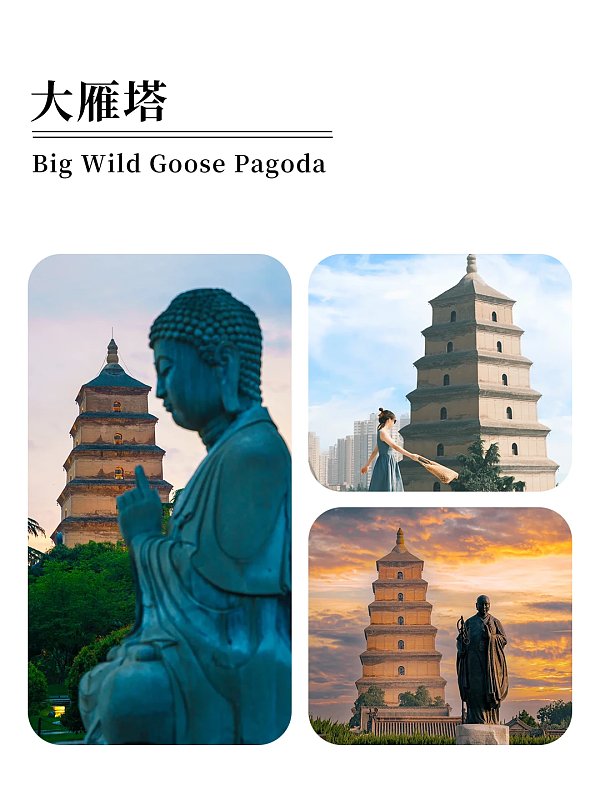
Here lies the Eighth Wonder of the World—the Terracotta Army, China's best-preserved Ming Dynasty city wall, the Great Wild Goose Pagoda where Xuanzang translated Buddhist scriptures, and the dreamlike Tang Dynasty Ever-Bright City at night.