
The '14th Five-Year Plan' outlines the implementation of an inbound tourism promotion plan to enhance convenience and internationalization standards
The '14th Five-Year Plan' Outlines the Implementation of the Inbound Tourism Promotion Plan to Enhance Convenience and Internationalization
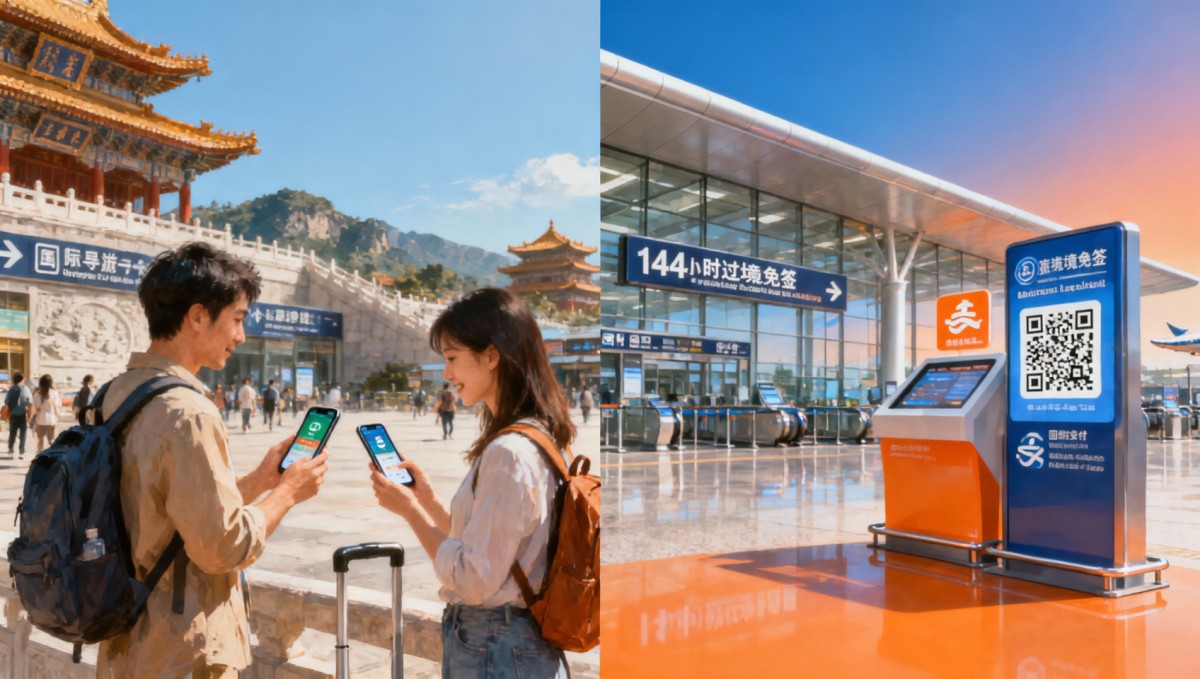
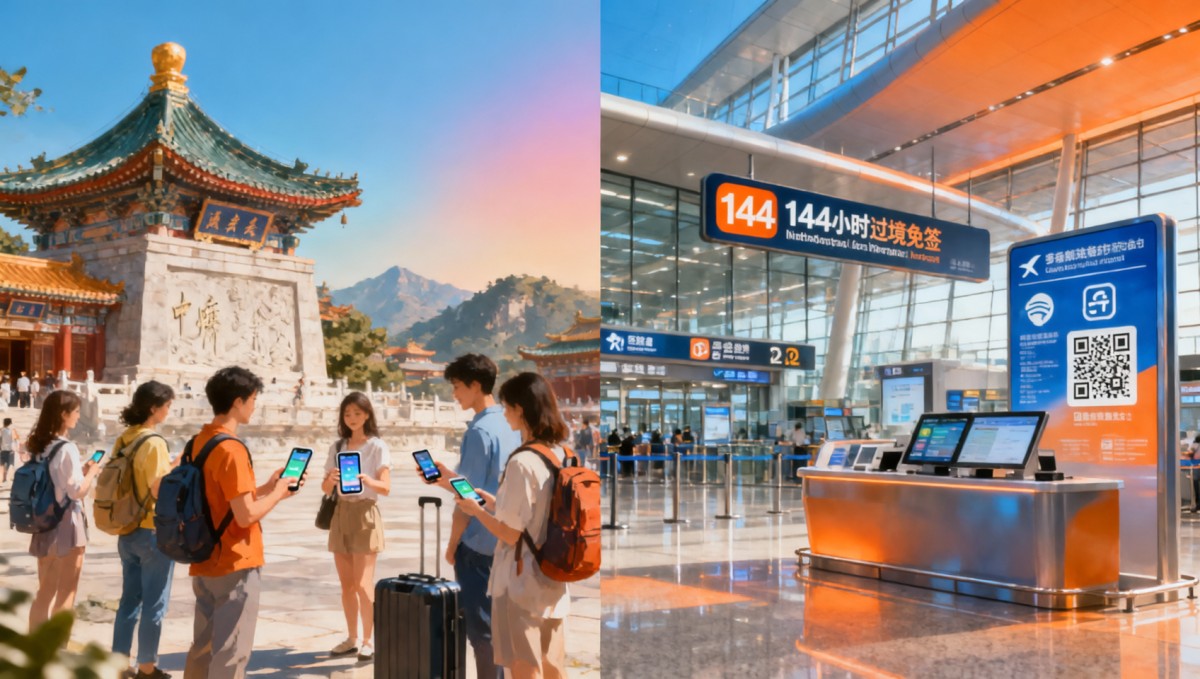
On April 7, 2026, the 'Outline of the 14th Five-Year Plan for National Economic and Social Development and the Long-Range Objectives Through the Year 2035' officially proposed the 'Implementation of the Inbound Tourism Promotion Plan,' which includes measures such as expanding the 144-hour visa-free transit policy, providing multilingual public services in A-level tourist attractions, and enabling full access to international mobile payments. This policy will directly impact multiple sub-sectors, including tourism services, payment settlements, and scenic area operations, systematically improving the experience of overseas tourists in China and strengthening international travelers' long-term confidence in choosing China as a destination.
Event Overview
The 'Outline of the 14th Five-Year Plan for National Economic and Social Development and the Long-Range Objectives Through the Year 2035,' released on April 7, 2026, explicitly proposed the 'Implementation of the Inbound Tourism Promotion Plan.' This plan includes expanding the 144-hour visa-free transit policy, achieving full multilingual public service coverage in A-level tourist attractions, and promoting full access to international mobile payments. These measures aim to enhance the internationalization and convenience of China's tourism market, providing overseas tourists with a higher-quality travel experience.
Impact on Specific Sub-Sectors
Tourism Services Industry
The implementation of the Inbound Tourism Promotion Plan will directly benefit travel agencies, hotels, catering, and other tourism service sectors. The expansion of the 144-hour visa-free transit policy will increase the number of short-term stay tourists, while the widespread adoption of multilingual services will improve service quality and attract more international visitors.
Payment Settlement Industry
The requirement for full access to international mobile payments will directly impact third-party payment platforms. Payment institutions need to accelerate integration with international payment systems to enhance cross-border payment convenience and meet the consumption needs of overseas tourists.
Scenic Area Operations Industry
A-level tourist attractions will face the requirement of full multilingual public service coverage, involving upgrades to guide systems, signage, and staff training. Scenic area operators must invest in improving international service standards.
Key Focus Areas and Response Strategies for Relevant Businesses or Practitioners
Monitor Policy Implementation Details
Businesses across industries should closely monitor the subsequent release of policy implementation details, including specific applicability, timelines, and execution standards, to adjust their strategies promptly.
Prepare for International Service Capabilities in Advance
Tourism service providers should begin enhancing multilingual service capabilities, payment institutions must accelerate integration with international payment systems, and scenic area operators should plan for signage systems and staff language training.
Strengthen International Collaboration
Relevant businesses may consider establishing closer partnerships with international travel agencies and payment platforms to jointly develop products and services tailored to international tourists.
Editorial Perspective / Industry Observation
From an industry perspective, this policy signals China's further opening of its tourism market. Analysis suggests it will not only directly improve the convenience of inbound tourism but also systematically enhance the international image of China's tourist destinations. Current attention should focus on the specific timelines and implementation standards of these measures, as they will directly influence businesses' resource allocation and operational adjustments.
Conclusion
The proposal of the 'Inbound Tourism Promotion Plan' marks a new phase in the internationalization of China's tourism market. For related industries, this presents both opportunities and challenges. It is more appropriate to view this as the beginning of a long-term policy direction, requiring businesses to develop corresponding internationalization strategies based on their operational characteristics.
Source Information
Primary source: 'Outline of the 14th Five-Year Plan for National Economic and Social Development and the Long-Range Objectives Through the Year 2035' (released on April 7, 2026). Subsequent policy implementation details require ongoing observation.
Popular destinations
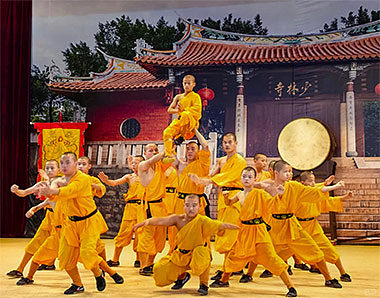
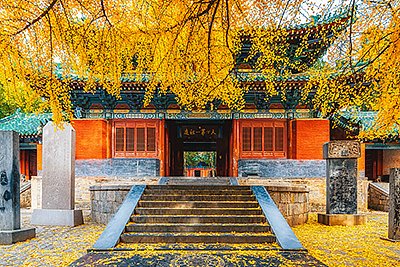
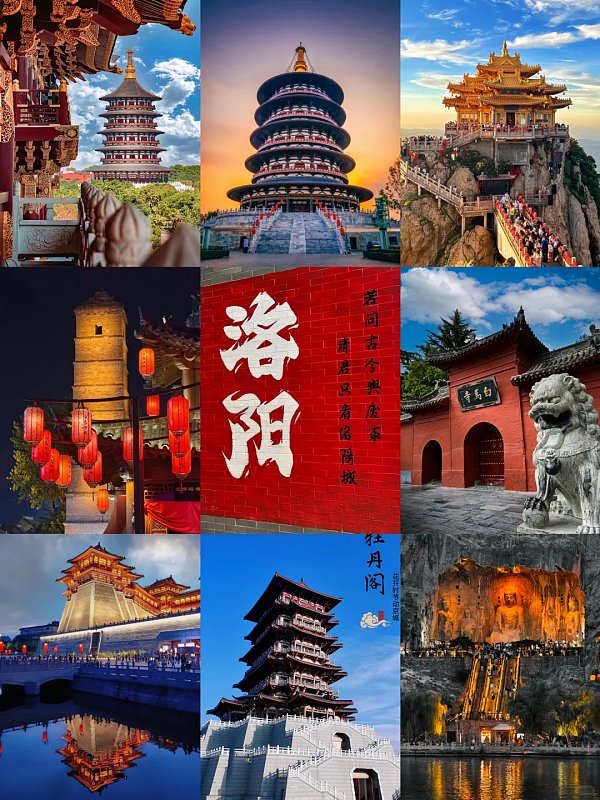
 Luoyang Longmen + Shaolin Kung Fu JourneyLongmen Grottoes are the imperial memories carved in stone, while Shaolin Temple embodies the Zen philosophy of martial arts life.
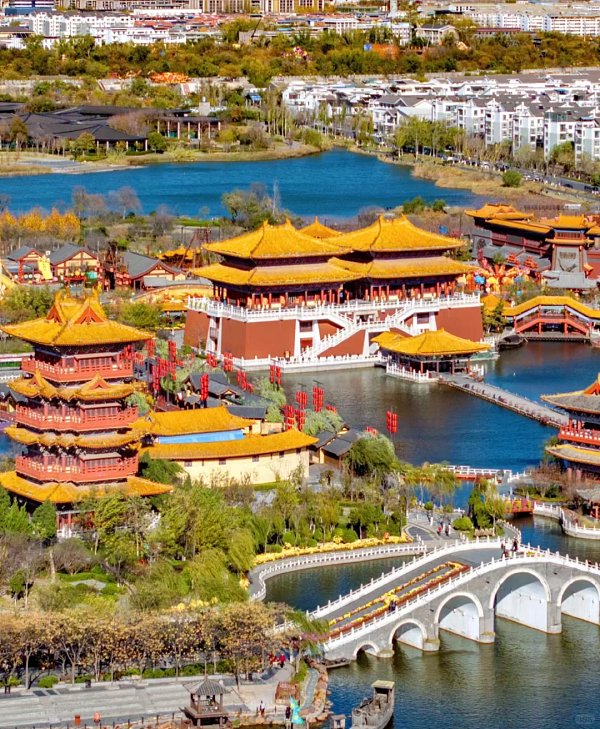
 Kaifeng One-Day Highlights TourKaifeng is an ancient city located in eastern Henan Province, China, renowned as the 'Capital of Eight Dynasties' and 'Living Northern Song Culture'.
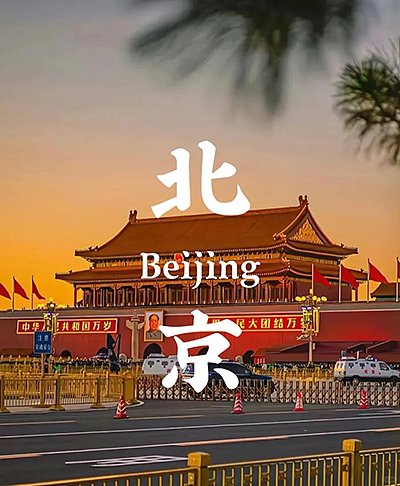
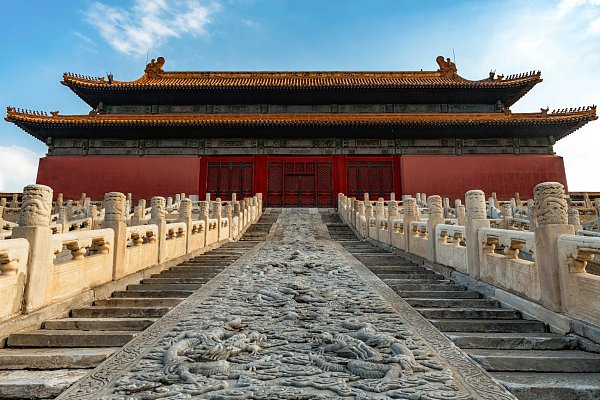
 Beijing Essence Two-Day TourBeijing is the window to history, where you can witness authentic historical relics like the Forbidden City, the Great Wall, and the Temple of Heaven. It is the cultural heartland—ride a rickshaw through the hutongs to experience traditional Beijing life, or visit Wangfujing and Sanlitun to immerse yourself in modern China's fashion and vibrancy. It is also a foodie's paradise, offering Peking duck and street snacks that rival imperial cuisine, satisfying every palate.
 The Shaolin Kung Fu JourneyShaolin Temple is the ancestral home of Chinese Zen Buddhism and the birthplace of martial arts worldwide, renowned for its 'Zen and Martial Unity.' In a nutshell: Want to see where 'Chinese Kung Fu' comes from? Shaolin Temple is the place.
") Luoyang Essence One-Day Tour (Customized Tour, April Peony Viewing)Root-Seeking Journey · A Daydream Back to the Divine Capital: On this day, we are not just tourists, but also returning descendants of "Old Home Henan."
Luoyang Essence One-Day Tour (Customized Tour, April Peony Viewing)Root-Seeking Journey · A Daydream Back to the Divine Capital: On this day, we are not just tourists, but also returning descendants of "Old Home Henan."") Xi'an Highlights One-Day Tour (Customizable Itinerary)From the Terracotta Warriors to the Tang Paradise · Experience the essence of Chang'an in a day. On this day, we won't just be passing tourists, but true 'Chang'an guests.'
Xi'an Highlights One-Day Tour (Customizable Itinerary)From the Terracotta Warriors to the Tang Paradise · Experience the essence of Chang'an in a day. On this day, we won't just be passing tourists, but true 'Chang'an guests.'") Luoyang Leisure Two-Day Tour (Customizable Tour in April to View Peonies)To inquire about the rise and fall of ancient and modern affairs, just look at Luoyang City."
Luoyang Leisure Two-Day Tour (Customizable Tour in April to View Peonies)To inquire about the rise and fall of ancient and modern affairs, just look at Luoyang City."
Some say Luoyang is a city favored by time.
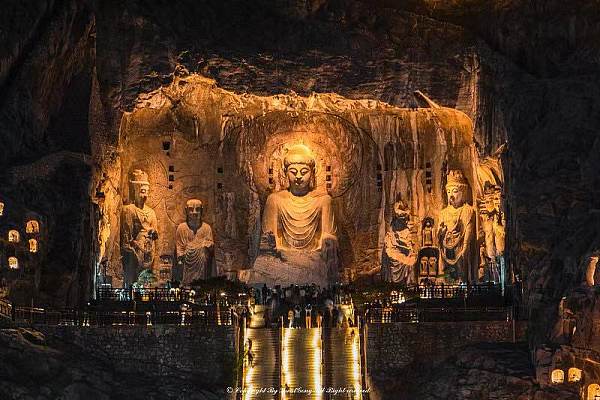
She is not the kind of stunning beauty that captivates at first glance. Her charm lies hidden—in the subtle smile of the Great Buddha of Longmen Grottoes, carved with devotion by artisans of Empress Wu Zetian's era. That smile, exuding compassion, predates the Mona Lisa by a thousand years. Chengdu RouteChengdu, hailed as the 'Land of Abundance' for leisure, is also the hometown of giant pandas, where you can get up close to admire the 'national treasures' in their natural charm. The city's core allure lies in its unique 'slow-living' aesthetic: the aroma-filled streets of hotpot skewers, the time-honored old teahouses, and the inclusive atmosphere that perfectly blends modern fashion with the hustle and bustle of urban life, making visitors reluctant to leave.
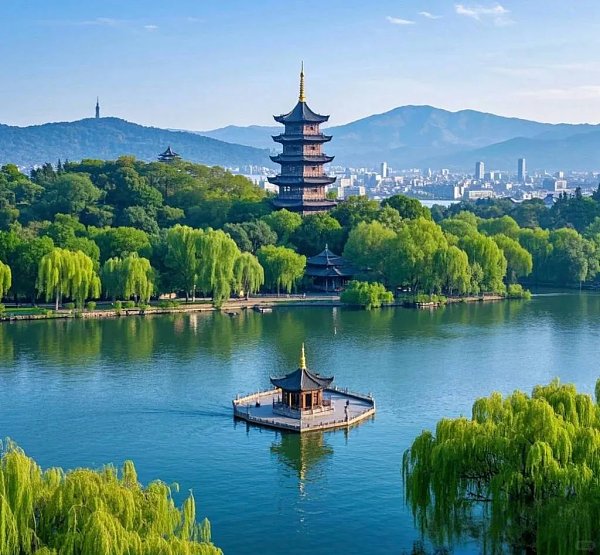
 Hangzhou RouteHangzhou is known as 'Heaven on Earth,' a perfect blend of traditional Jiangnan charm and modern technology. The magic of Hangzhou lies in the fact that one moment you can be listening to the bell chimes of a thousand-year-old temple, and the next, you can be sipping premium coffee in a modern shopping mall.
 Family-friendly travel itinerary 2Standing at the 'center of the world,' deepen the knowledge from books and broaden the horizons through travel.
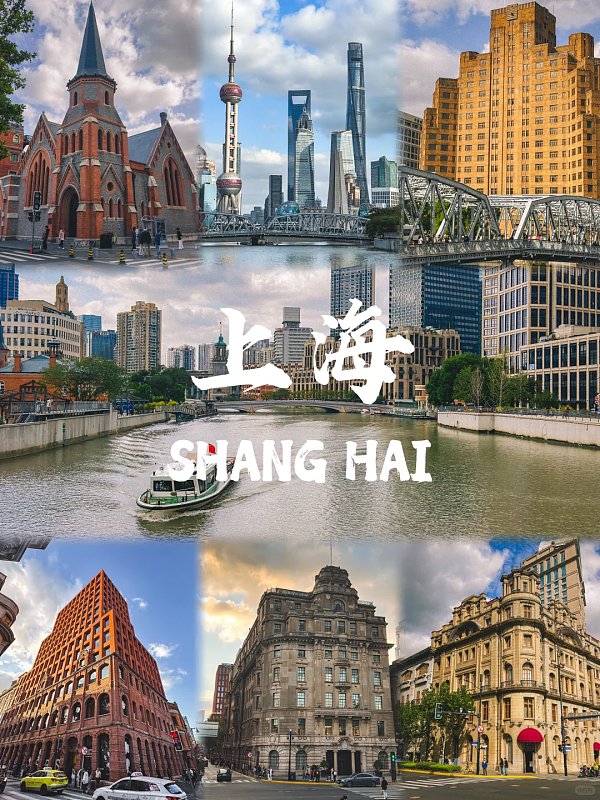
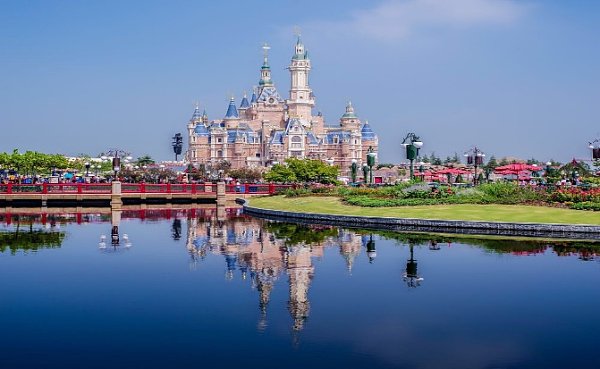
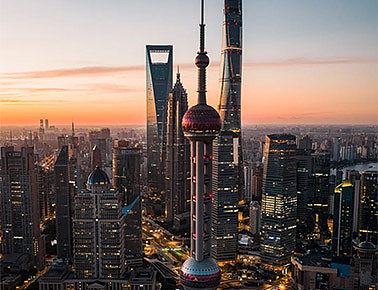
 Shanghai Research Summer CampShanghai is China's economic, financial, trade, and shipping hub, a cosmopolitan metropolis that blends modern prosperity with profound historical heritage. Here, you can find both the century-old charm of the Bund and the lively atmosphere of Old Town, as well as the skyscrapers of Lujiazui and world-class cultural tourism experiences.
 Study Tour Travel ItineraryGoing to Shanghai for a study tour is, simply put, a 'walking classroom,' with the core meaning being to closely connect textbook knowledge with real-life experiences.
 Beijing Essence Customized 5-Day Pure Play TourBeijing Essence 5-Day Pure Play Customized Tour, with private car transfers to visit world cultural heritage sites such as the Forbidden City, the Great Wall, and Tiananmen Square. Experience Hutong culture, enjoy a shopping-free itinerary, and benefit from multilingual guide services for a private and exclusive travel experience.
 Shanghai + Suzhou + Wuzhen 6-Day Custom TourImmersive Experience of Jiangnan's Scenic Beauty~
") 4 Days & 3 Nights Customized Tour in Luoyang (Peony Viewing Available in April)This city, known as the 'Ancient Capital of Thirteen Dynasties' and the 'Divine Capital', is engraved with the historical and cultural imprint of the 'Earliest China'.
4 Days & 3 Nights Customized Tour in Luoyang (Peony Viewing Available in April)This city, known as the 'Ancient Capital of Thirteen Dynasties' and the 'Divine Capital', is engraved with the historical and cultural imprint of the 'Earliest China'.
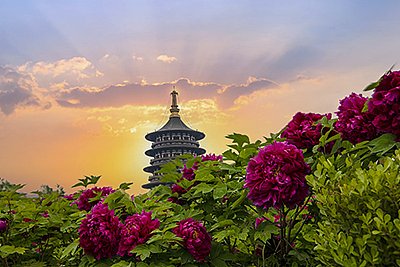
"Only the peony is truly the nation's beauty, blooming in season to move the capital." In 1982, Luoyang designated the peony as its city flower, and every April, it hosts the China Luoyang Peony Culture Festival.
Symbolic meaning: The king of flowers, representing wealth, prosperity, and auspiciousness. Xi'an 5-Day In-Depth TourThe ancient capital of thirteen dynasties, one of the world's four great ancient capitals, the starting point of the Silk Road, and the ancestral home of 'Glorious Tang Chang'an' in the hearts of overseas Chinese.
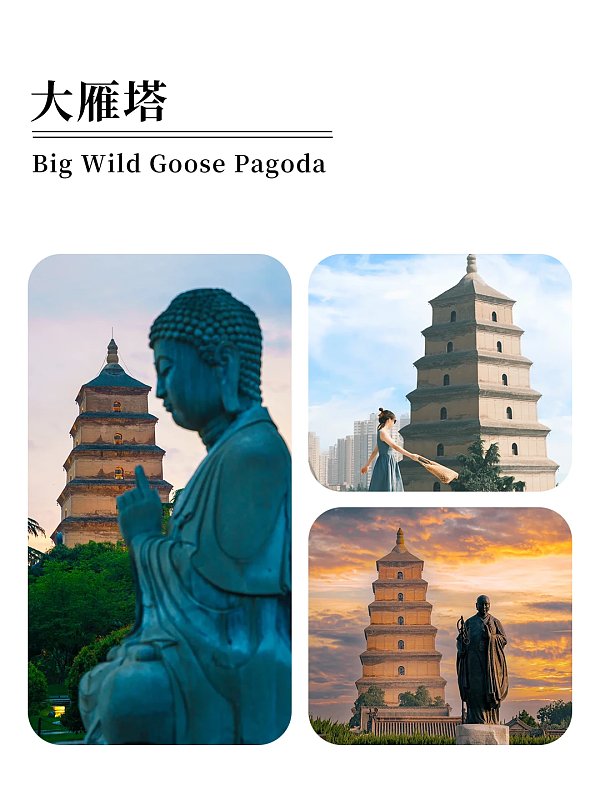
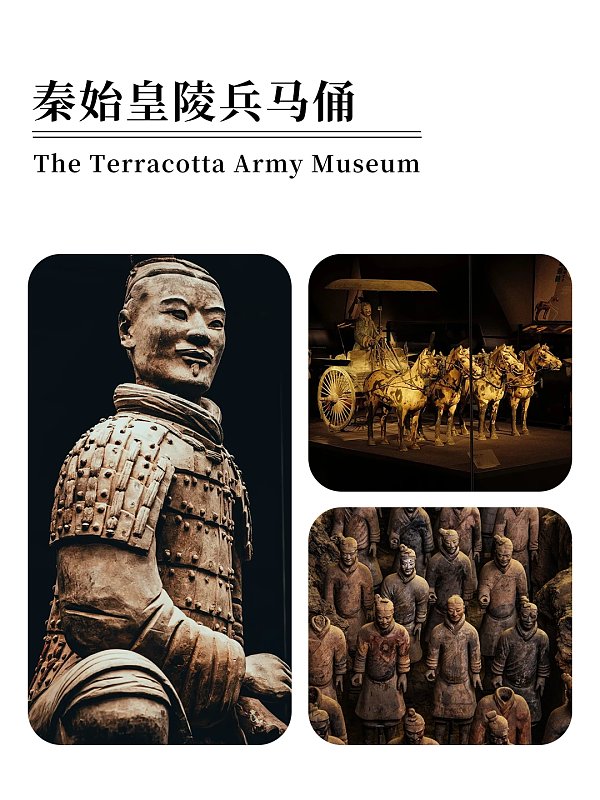
Here lies the Eighth Wonder of the World—the Terracotta Army, China's best-preserved Ming Dynasty city wall, the Great Wild Goose Pagoda where Xuanzang translated Buddhist scriptures, and the dreamlike Tang Dynasty Ever-Bright City at night.