
News and Updates
EU plans to include digital tourism equipment in CE certification, affecting China's VR navigation exports
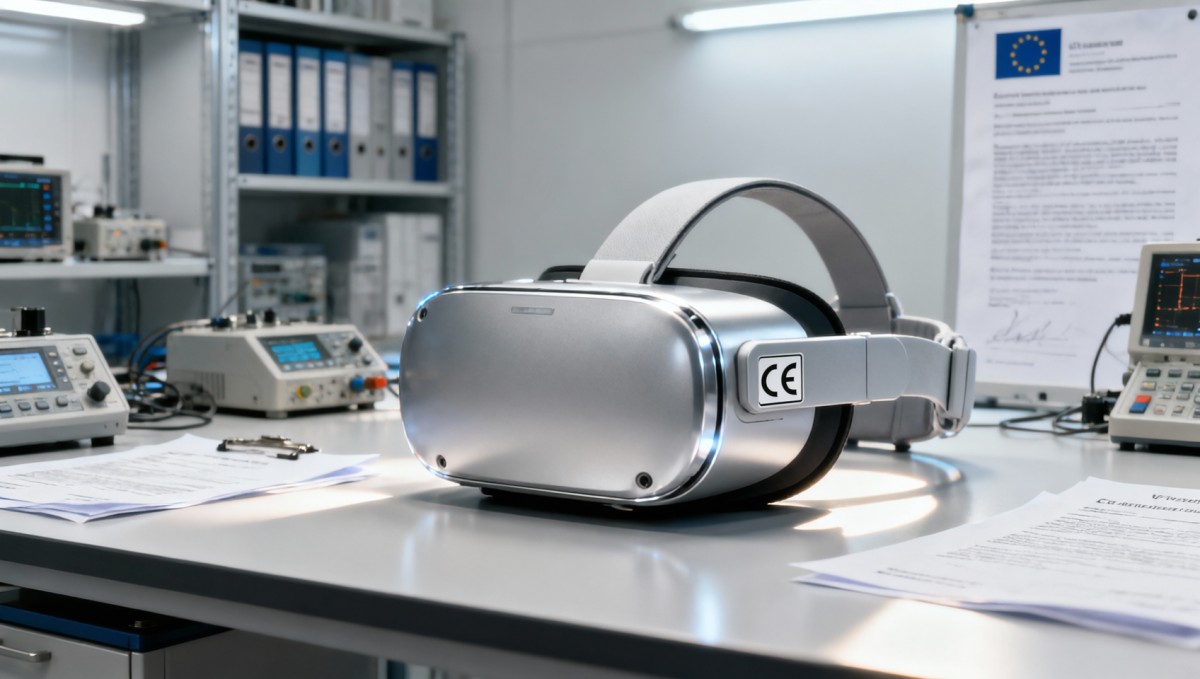
On April 7, 2026, the European Commission released the "Digital Cultural Services Security Framework" draft for public consultation, proposing to include immersive cultural tourism hardware such as VR headsets and AR navigation terminals in the CE certification extension directory. The draft requires that from Q1 2027 onwards, products must mandatorily comply with the new safety standards and data localization clauses, directly affecting the export compliance pathways of over 200 smart hardware manufacturers in Shenzhen, Dongguan, and other regions.
Event Overview
According to the European Commission's public documents, the new draft regulation primarily includes two key requirements: First, incorporating public-facing immersive cultural tourism hardware (including VR/AR devices and interactive projection systems) into the CE certification extension directory; Second, mandating that equipment must simultaneously comply with the EN IEC 62368-1:2025+A11:2026 electrical safety standards and newly added data storage localization clauses. The transition period is set from Q4 2026 to Q1 2027.
Impact on Specific Industries
Cultural Tourism Smart Hardware Manufacturers
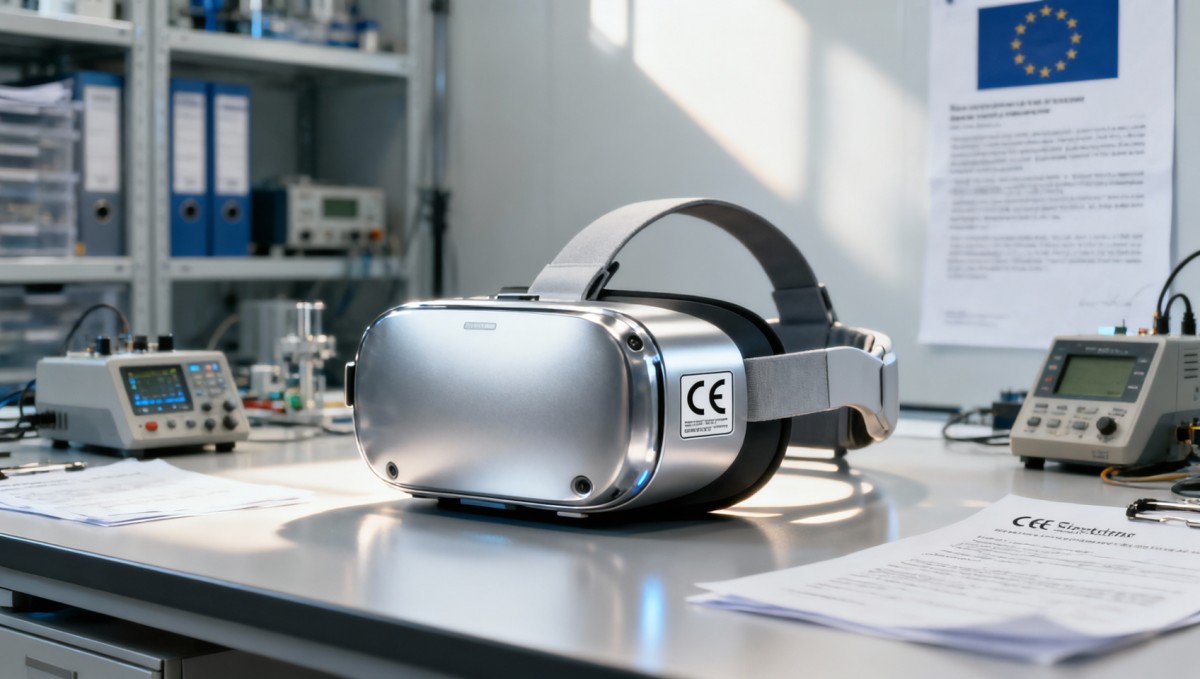
ODM/OEM manufacturers in Shenzhen, Dongguan, and other regions need to reassess existing product designs, with potential additional requirements for electromagnetic compatibility (EMC) testing of core components like optical modules and sensors. Observations indicate that small and medium-sized manufacturers lacking in-house testing laboratories may face certification cycle extensions of 30-45 days.
Cross-border E-commerce and Overseas Channel Providers
European B2B buyers must confirm Chinese suppliers' certification progress before Q3 2026, particularly for equipment orders involving scenic area leasing services. Notably, some German and French importers have begun requesting early submission of draft compliance statements.
Key Focus Areas and Recommendations
Priority Handling of In-Progress Order Compliance
For orders scheduled for delivery after Q4 2026, manufacturers are advised to immediately initiate pre-communication with EU Notified Bodies, focusing particularly on changes in ergonomic testing requirements for interactive devices.
Establish Data Localization Technical Contingency Plans
From an industry perspective, differentiation is needed between pure hardware exports and cloud-service-integrated solutions. The latter requires assessing the compounded impact of GDPR and the new regulation, with recommendations to pre-deploy edge computing storage solutions.
Monitor Standard Iteration Dynamics
The EN IEC 62368-1:2025 standard remains under revision and should be interpreted as a precursor signal for technical trade measures. Subscribing to standard interpretation seminars by TÜV and other institutions is recommended.
Industry Observation
Analysis suggests this draft signifies the extension of EU digital cultural product regulation from content to hardware safety. Although currently in the consultation phase, considering recent EU IoT device regulatory trends, the likelihood of final implementation remains high. The industry should note this represents not just certification process changes but potentially a restructuring of supply chain cost frameworks for China-EU digital tourism equipment.
Conclusion
The draft reflects the ongoing tightening of EU digital market access rules, imposing higher export compliance requirements on China's cultural technology enterprises. Currently, it's more appropriate to view this as early warning of technical trade barriers. Relevant enterprises should promptly initiate compliance gap analyses while monitoring potential follow-up actions in non-EU markets like the UK and Switzerland.
Sources
1. European Commission official website "Digital Cultural Services Security Framework" consultation draft (April 7, 2026)
2. Note: EN IEC 62368-1:2025+A11:2026 final version expected to be released in September 2026
Popular destinations
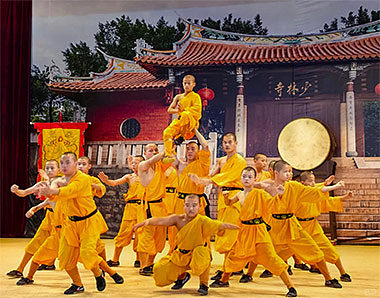
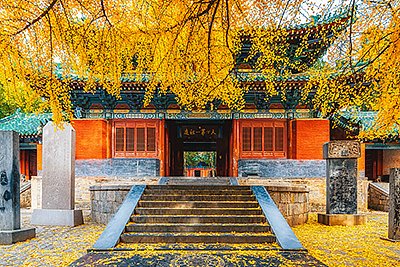
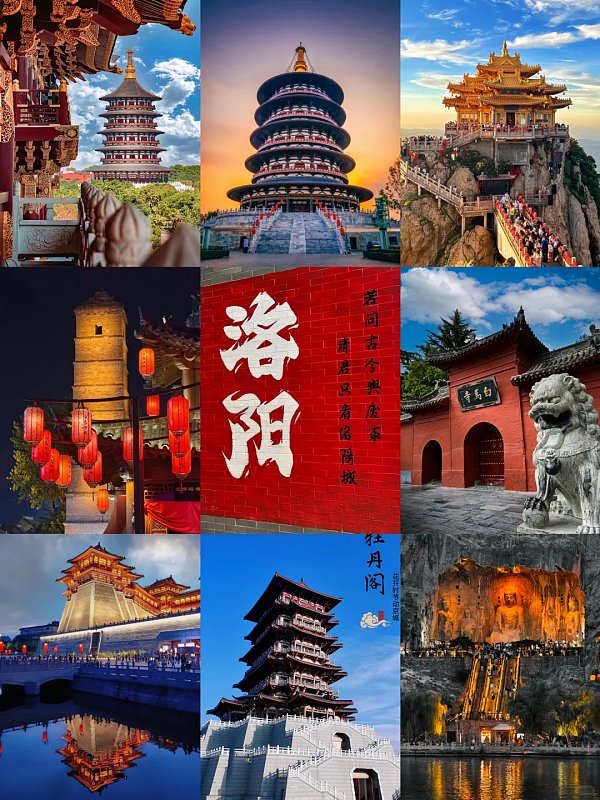
 Luoyang Longmen + Shaolin Kung Fu JourneyLongmen Grottoes are the imperial memories carved in stone, while Shaolin Temple embodies the Zen philosophy of martial arts life.
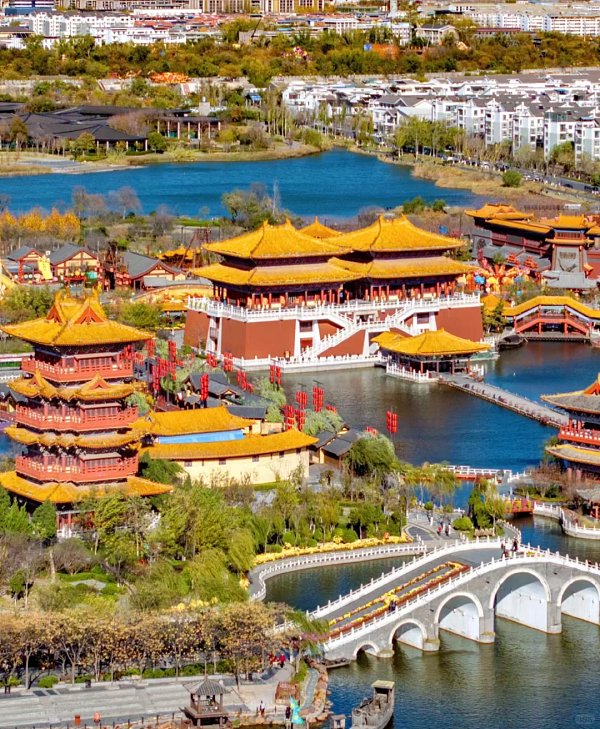
 Kaifeng One-Day Highlights TourKaifeng is an ancient city located in eastern Henan Province, China, renowned as the 'Capital of Eight Dynasties' and 'Living Northern Song Culture'.
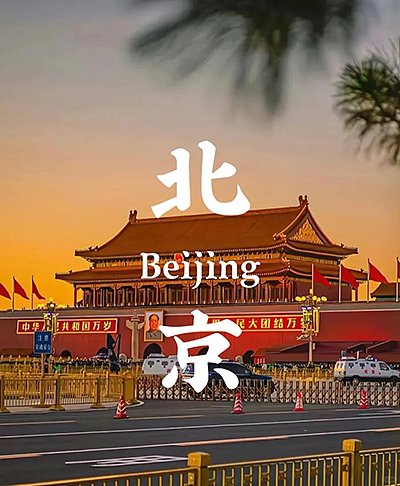
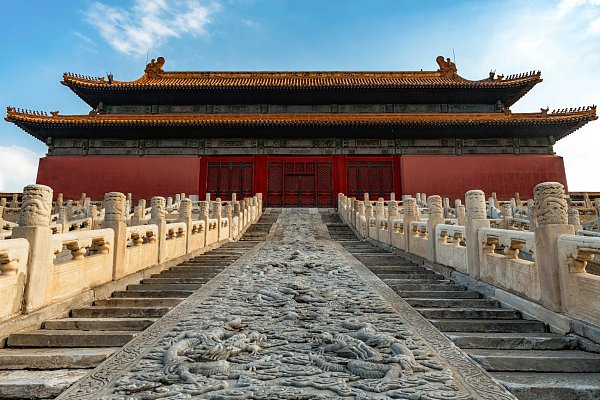
 Beijing Essence Two-Day TourBeijing is the window to history, where you can witness authentic historical relics like the Forbidden City, the Great Wall, and the Temple of Heaven. It is the cultural heartland—ride a rickshaw through the hutongs to experience traditional Beijing life, or visit Wangfujing and Sanlitun to immerse yourself in modern China's fashion and vibrancy. It is also a foodie's paradise, offering Peking duck and street snacks that rival imperial cuisine, satisfying every palate.
 The Shaolin Kung Fu JourneyShaolin Temple is the ancestral home of Chinese Zen Buddhism and the birthplace of martial arts worldwide, renowned for its 'Zen and Martial Unity.' In a nutshell: Want to see where 'Chinese Kung Fu' comes from? Shaolin Temple is the place.
") Luoyang Essence One-Day Tour (Customized Tour, April Peony Viewing)Root-Seeking Journey · A Daydream Back to the Divine Capital: On this day, we are not just tourists, but also returning descendants of "Old Home Henan."
Luoyang Essence One-Day Tour (Customized Tour, April Peony Viewing)Root-Seeking Journey · A Daydream Back to the Divine Capital: On this day, we are not just tourists, but also returning descendants of "Old Home Henan."") Xi'an Highlights One-Day Tour (Customizable Itinerary)From the Terracotta Warriors to the Tang Paradise · Experience the essence of Chang'an in a day. On this day, we won't just be passing tourists, but true 'Chang'an guests.'
Xi'an Highlights One-Day Tour (Customizable Itinerary)From the Terracotta Warriors to the Tang Paradise · Experience the essence of Chang'an in a day. On this day, we won't just be passing tourists, but true 'Chang'an guests.'") Luoyang Leisure Two-Day Tour (Customizable Tour in April to View Peonies)To inquire about the rise and fall of ancient and modern affairs, just look at Luoyang City."
Luoyang Leisure Two-Day Tour (Customizable Tour in April to View Peonies)To inquire about the rise and fall of ancient and modern affairs, just look at Luoyang City."
Some say Luoyang is a city favored by time.
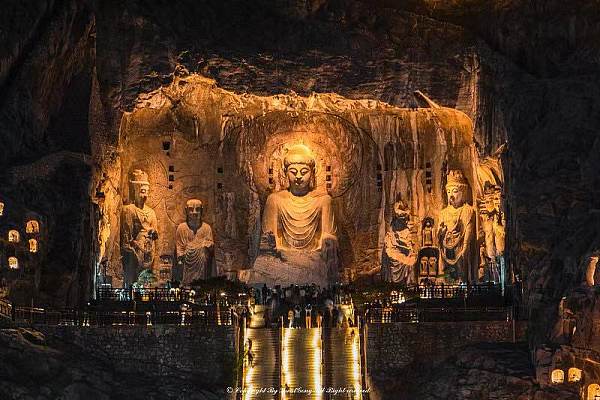
She is not the kind of stunning beauty that captivates at first glance. Her charm lies hidden—in the subtle smile of the Great Buddha of Longmen Grottoes, carved with devotion by artisans of Empress Wu Zetian's era. That smile, exuding compassion, predates the Mona Lisa by a thousand years. Chengdu RouteChengdu, hailed as the 'Land of Abundance' for leisure, is also the hometown of giant pandas, where you can get up close to admire the 'national treasures' in their natural charm. The city's core allure lies in its unique 'slow-living' aesthetic: the aroma-filled streets of hotpot skewers, the time-honored old teahouses, and the inclusive atmosphere that perfectly blends modern fashion with the hustle and bustle of urban life, making visitors reluctant to leave.
 Hangzhou RouteHangzhou is known as 'Heaven on Earth,' a perfect blend of traditional Jiangnan charm and modern technology. The magic of Hangzhou lies in the fact that one moment you can be listening to the bell chimes of a thousand-year-old temple, and the next, you can be sipping premium coffee in a modern shopping mall.
 Family-friendly travel itinerary 2Standing at the 'center of the world,' deepen the knowledge from books and broaden the horizons through travel.
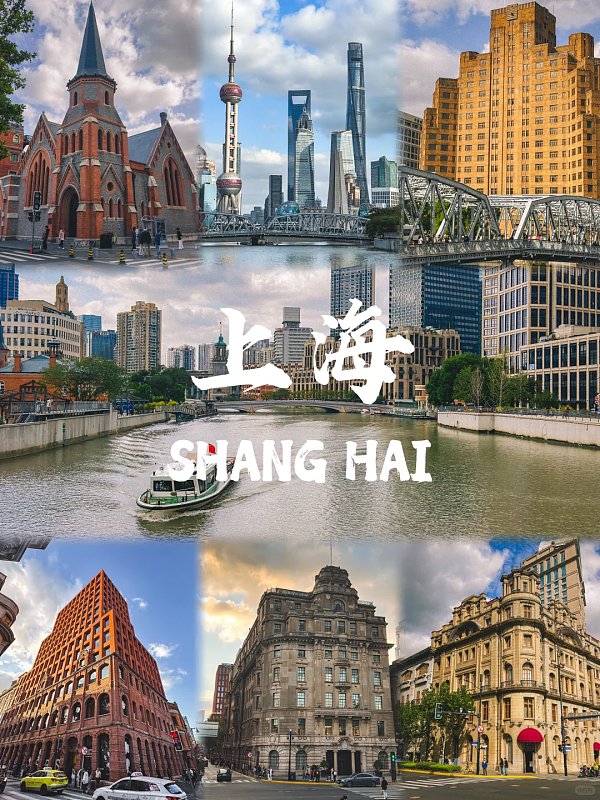
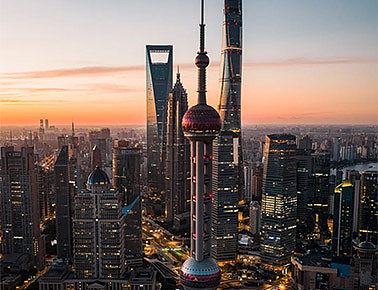
 Shanghai Research Summer CampShanghai is China's economic, financial, trade, and shipping hub, a cosmopolitan metropolis that blends modern prosperity with profound historical heritage. Here, you can find both the century-old charm of the Bund and the lively atmosphere of Old Town, as well as the skyscrapers of Lujiazui and world-class cultural tourism experiences.
 Study Tour Travel ItineraryGoing to Shanghai for a study tour is, simply put, a 'walking classroom,' with the core meaning being to closely connect textbook knowledge with real-life experiences.
 Beijing Essence Customized 5-Day Pure Play TourBeijing Essence 5-Day Pure Play Customized Tour, with private car transfers to visit world cultural heritage sites such as the Forbidden City, the Great Wall, and Tiananmen Square. Experience Hutong culture, enjoy a shopping-free itinerary, and benefit from multilingual guide services for a private and exclusive travel experience.
 Shanghai + Suzhou + Wuzhen 6-Day Custom TourImmersive Experience of Jiangnan's Scenic Beauty~
") 4 Days & 3 Nights Customized Tour in Luoyang (Peony Viewing Available in April)This city, known as the 'Ancient Capital of Thirteen Dynasties' and the 'Divine Capital', is engraved with the historical and cultural imprint of the 'Earliest China'.
4 Days & 3 Nights Customized Tour in Luoyang (Peony Viewing Available in April)This city, known as the 'Ancient Capital of Thirteen Dynasties' and the 'Divine Capital', is engraved with the historical and cultural imprint of the 'Earliest China'.
"Only the peony is truly the nation's beauty, blooming in season to move the capital." In 1982, Luoyang designated the peony as its city flower, and every April, it hosts the China Luoyang Peony Culture Festival.
Symbolic meaning: The king of flowers, representing wealth, prosperity, and auspiciousness. Xi'an 5-Day In-Depth TourThe ancient capital of thirteen dynasties, one of the world's four great ancient capitals, the starting point of the Silk Road, and the ancestral home of 'Glorious Tang Chang'an' in the hearts of overseas Chinese.
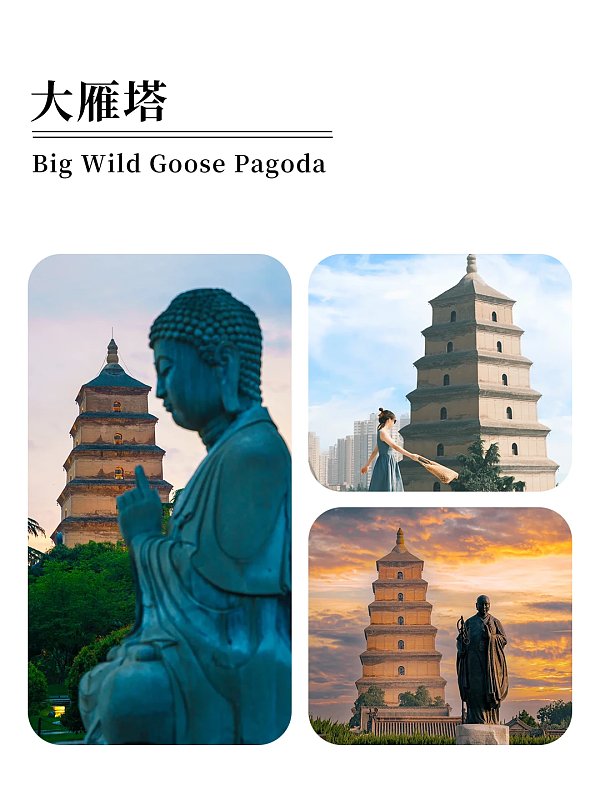
Here lies the Eighth Wonder of the World—the Terracotta Army, China's best-preserved Ming Dynasty city wall, the Great Wild Goose Pagoda where Xuanzang translated Buddhist scriptures, and the dreamlike Tang Dynasty Ever-Bright City at night.