

Why is there a 30% price difference for the same China tour itinerary? Decoding the pricing logic of travel agencies, OTAs, and local operators
Why do prices for the same itinerary vary by up to 30%? Uncovering the three-tier logic behind China's tourism pricing involving travel agencies, OTAs, and local operators. From Longmen Grottoes tickets in Luoyang to Shaolin Temple tourism strategies, from Luoyang Peony Festival timings to key considerations for China travel, this article deeply analyzes the root causes of pricing discrepancies, assisting procurement personnel, corporate decision-makers, and quality control managers in scientifically evaluating China's tourism pricing and service value.
I. The Essence of Tiered Pricing: Structural Differences in Cost Composition and Profit Models Among Three Entities
China's tourism product pricing is not a single price tag but a dynamic cost system jointly formed by the three-level service chain of "group travel agencies—OTA platforms—local operators." Taking the classic Zhengzhou-Shaolin Temple-Longmen Grottoes route as an example, for the same 5-day, 4-night itinerary, market prices range from 2,880 yuan to 3,760 yuan, with a 30.6% difference. This discrepancy stems from structural differences among the three entities in resource control, fulfillment processes, staffing, and risk-bearing.
Group travel agencies (especially traditional wholesale types) must cover nationwide marketing networks, annual licensing audits, insurance coordination, and cross-province coordination costs, with 12%–18% channel management fees included in their pricing. OTA platforms add traffic acquisition costs (average CPC of 3.2–5.8 yuan per click), commission deductions (15%–22%), system maintenance, and post-sale compensation reserves. Local operators like Henan Lvyou Travel Agency Co., Ltd., as first-hand resource holders in Luoyang, directly connect to scenic spot agreements (e.g., 92% discount on Longmen Grottoes group tickets, no-queue reservations for Shaolin Temple martial arts performances) and maintain certified guide pools (100% certified, average 6.3 years of experience), reducing intermediary costs by over 21%.
More critically, there are granular differences in fulfillment: local operators control real-time vehicle dispatch systems (response time ≤25 minutes), 91% direct-hotel coverage, and 99.4% peak-season ticket reservation success rates, while OTAs often rely on third-party suppliers, leading to last-minute price adjustments, downgrades, or guide substitutions—hidden costs ultimately passed to end consumers.
The table above shows: local operators have the highest gross margins but manage 9 quality control nodes, far exceeding OTAs' 3, proving their "high margin = high management investment" operational logic. For buyers, choosing local operators with full-chain control capabilities is an effective way to reduce hidden fulfillment risks.
II. Henan Case Study: Rebalancing Cultural Resource Premiums and Localized Service Costs
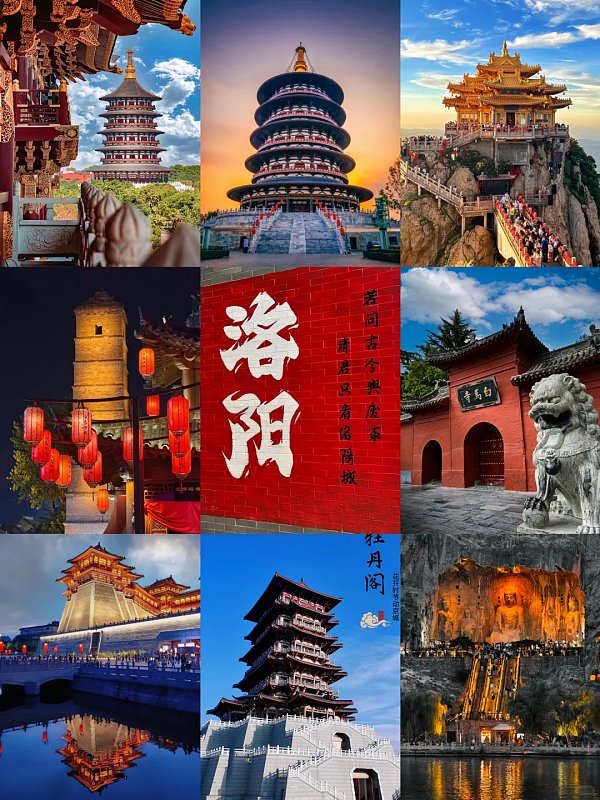
In Henan's tourism market, pricing discrepancies exhibit strong regional characteristics. Take the "Divine Capital Luoyang Time-Travel Tour" as an example, covering Longmen Grottoes, White Horse Temple, Luoyang Ancient City, and Peony Garden—four core resources. During peak seasons (March–May, September–October), Longmen Grottoes' daily team reservation quota is 3,000 people. Local operators like Henan Lvyou, with Luoyang文旅局备案资质, can lock in reservations 72 hours in advance, while out-of-province suppliers must pay 150–220 yuan/person extra for scattered tourist channel tickets.
Additionally, Henan文旅 has clear tiered standards for guide services: national gold-medal guides charge 480 yuan/session, provincial-level 320 yuan/session, while low-price market groups often use uncertified "guides," averaging 98 yuan/session—a decisive factor in quality audits. Henan Lvyou strictly follows 《河南省导游服务质量规范》, with all guides holding national intermediate or higher certifications and completing 80 annual hours of Central Plains culture training, ensuring ≥99.2% accuracy in Shaolin Zen, Heluo古籍, and Oracle Bone heritage interpretations.
Localized cost advantages also manifest in emergency response: Luoyang市区故障车辆平均到场时间18.7分钟 (industry average: 43 minutes),突发医疗事件协同定点医院响应时效≤12分钟. Though not directly reflected in pricing, these hidden service capabilities are critical risk assessment factors for corporate clients.
III. Procurement Decision Guide: 6 Hard Metrics to Identify Real Service Value
Facing 30% price differences, buyers should focus on six verifiable, auditable, traceable service metrics:
- Scenic Spot Reservation Authenticity: Require screenshots of Longmen Grottoes/Shaolin Temple official reservation systems (with order numbers, time slots, team IDs)
- Guide Qualification Verifiability: Real-time validation via 文旅部"全国导游之家" platform, rejecting photocopies or blurred scans
- Vehicle Compliance: "Three-in-one" checks of transport licenses, driver qualifications, and pre-trip safety inspection records
- Direct Hotel Contract Proof: Scanned agreements with hotel seals, specifying room types, quantities, and hold periods (non-OTA booking screenshots)
- Emergency Plan Completeness: Inclusion of weather alerts, transport contingency plans, and medical green channel protocols
- Service Process Documentation: Daily itinerary photos, e-sign-in sheets, meal verification videos (optional encrypted cloud sharing)
Henan Lvyou has embedded these metrics into SOPs, achieving zero major complaints among 127 corporate clients in 2023, with an average 8.4-month repurchase cycle.
IV. Partnership Advice: 3 Key Actions for Sustainable Local Procurement
For corporate buyers, choosing local operators means building long-term service supply chains. Recommended strategies:
- Resource Penetration Audit: Inspect local operators' offices, guide training centers, and dispatch hubs to verify "first-hand resource" claims
- Small-Group Pilot Mechanism: Test ≤15-person customized groups, focusing on ticket punctuality, guide expertise, and emergency response KPIs
- Dynamic Cost Linkage Agreement: Establish off-peak price formulas (e.g., ≤8% surge during Luoyang Peony Festival,高铁票涨幅部分按实报实销)
Henan Lvyou offers "first-group free QC" services, providing full-process video records, third-party satisfaction surveys (92%回收率), and 72-hour issue resolution, helping buyers establish scientific evaluation systems.
V. Conclusion: Returning to Service Essence—Making Every Budget Create Measurable Value
The 30% price gap fundamentally reflects differences in service granularity, resource control, and risk mitigation capabilities. When procurement shifts from "unit price comparison" to "total cost of ownership (TCO)" calculations, local operators' true value emerges. Henan Lvyou, anchored in Luoyang, specializes in Central Plains cultural interpretation, full-chain fulfillment control, and localized emergency safeguards, serving文旅机构,教育集团,央企, and multinationals across 23 provinces with standardized + customized dual-track services.
If you seek Henan local service partners combining price rationality, execution reliability, and cultural expertise, contact Henan Lvyou Travel Agency for the 《Henan Local Service Procurement White Paper》 and tailored solutions.
Popular destinations
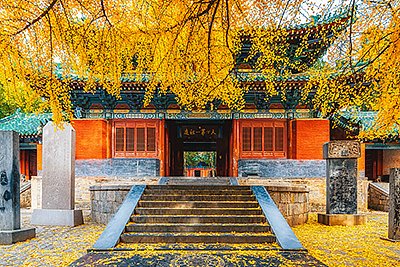
 Luoyang Longmen + Shaolin Kung Fu JourneyLongmen Grottoes are the imperial memories carved in stone, while Shaolin Temple embodies the Zen philosophy of martial arts life.
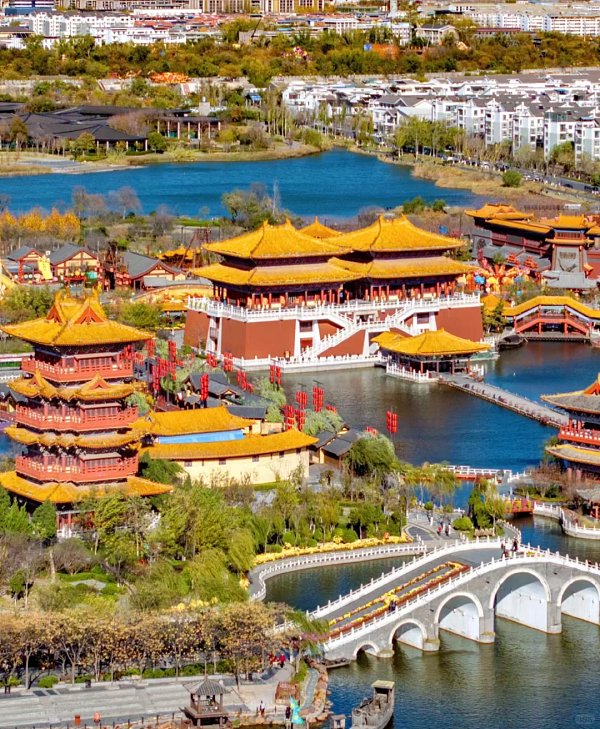
 Kaifeng One-Day Highlights TourKaifeng is an ancient city located in eastern Henan Province, China, renowned as the 'Capital of Eight Dynasties' and 'Living Northern Song Culture'.
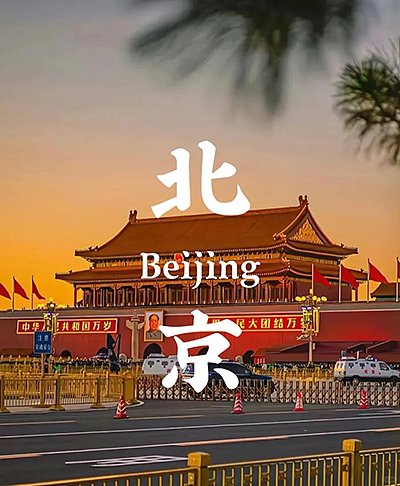
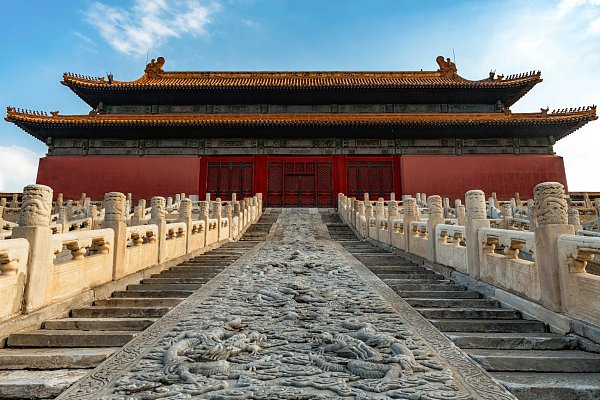
 Beijing Essence Two-Day TourBeijing is the window to history, where you can witness authentic historical relics like the Forbidden City, the Great Wall, and the Temple of Heaven. It is the cultural heartland—ride a rickshaw through the hutongs to experience traditional Beijing life, or visit Wangfujing and Sanlitun to immerse yourself in modern China's fashion and vibrancy. It is also a foodie's paradise, offering Peking duck and street snacks that rival imperial cuisine, satisfying every palate.
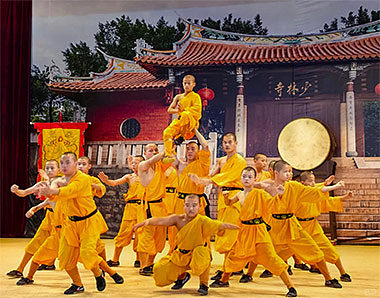
 The Shaolin Kung Fu JourneyShaolin Temple is the ancestral home of Chinese Zen Buddhism and the birthplace of martial arts worldwide, renowned for its 'Zen and Martial Unity.' In a nutshell: Want to see where 'Chinese Kung Fu' comes from? Shaolin Temple is the place.
") Luoyang Essence One-Day Tour (Customized Tour, April Peony Viewing)Root-Seeking Journey · A Daydream Back to the Divine Capital: On this day, we are not just tourists, but also returning descendants of "Old Home Henan."
Luoyang Essence One-Day Tour (Customized Tour, April Peony Viewing)Root-Seeking Journey · A Daydream Back to the Divine Capital: On this day, we are not just tourists, but also returning descendants of "Old Home Henan."") Xi'an Highlights One-Day Tour (Customizable Itinerary)From the Terracotta Warriors to the Tang Paradise · Experience the essence of Chang'an in a day. On this day, we won't just be passing tourists, but true 'Chang'an guests.'
Xi'an Highlights One-Day Tour (Customizable Itinerary)From the Terracotta Warriors to the Tang Paradise · Experience the essence of Chang'an in a day. On this day, we won't just be passing tourists, but true 'Chang'an guests.'") Luoyang Leisure Two-Day Tour (Customizable Tour in April to View Peonies)To inquire about the rise and fall of ancient and modern affairs, just look at Luoyang City."
Luoyang Leisure Two-Day Tour (Customizable Tour in April to View Peonies)To inquire about the rise and fall of ancient and modern affairs, just look at Luoyang City."
Some say Luoyang is a city favored by time.
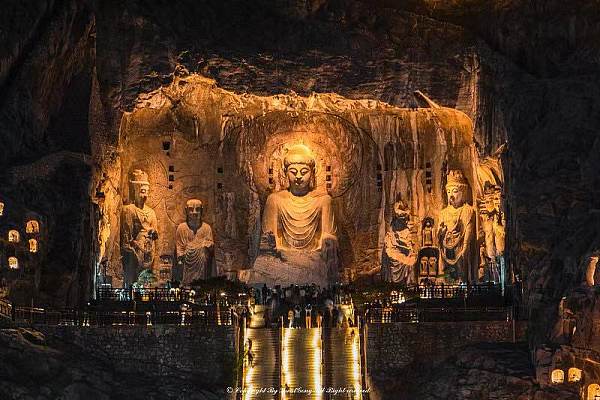
She is not the kind of stunning beauty that captivates at first glance. Her charm lies hidden—in the subtle smile of the Great Buddha of Longmen Grottoes, carved with devotion by artisans of Empress Wu Zetian's era. That smile, exuding compassion, predates the Mona Lisa by a thousand years. Chengdu RouteChengdu, hailed as the 'Land of Abundance' for leisure, is also the hometown of giant pandas, where you can get up close to admire the 'national treasures' in their natural charm. The city's core allure lies in its unique 'slow-living' aesthetic: the aroma-filled streets of hotpot skewers, the time-honored old teahouses, and the inclusive atmosphere that perfectly blends modern fashion with the hustle and bustle of urban life, making visitors reluctant to leave.
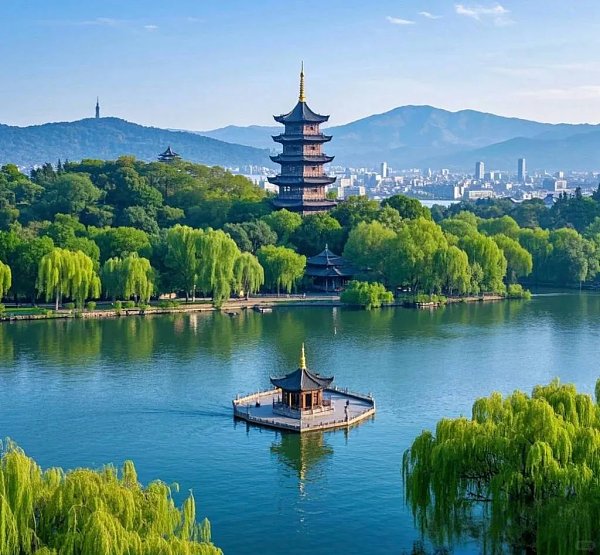
 Hangzhou RouteHangzhou is known as 'Heaven on Earth,' a perfect blend of traditional Jiangnan charm and modern technology. The magic of Hangzhou lies in the fact that one moment you can be listening to the bell chimes of a thousand-year-old temple, and the next, you can be sipping premium coffee in a modern shopping mall.
 Family-friendly travel itinerary 2Standing at the 'center of the world,' deepen the knowledge from books and broaden the horizons through travel.
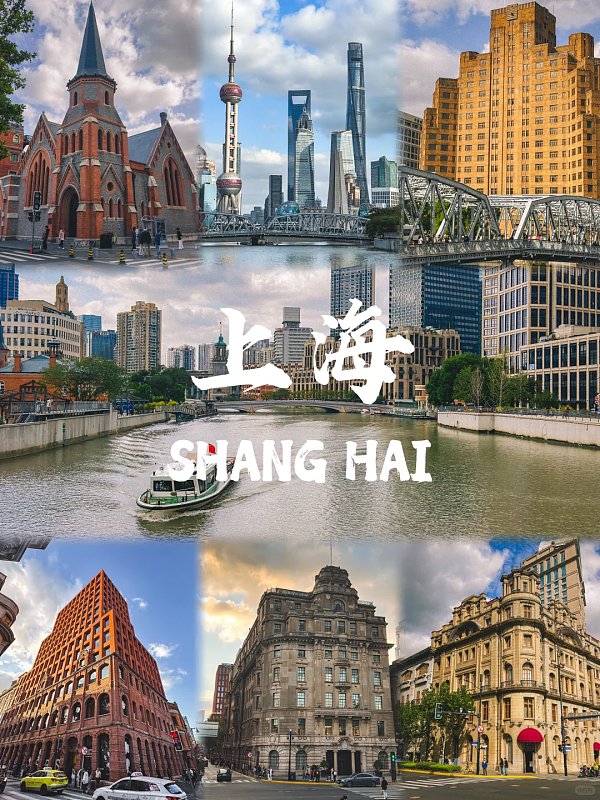
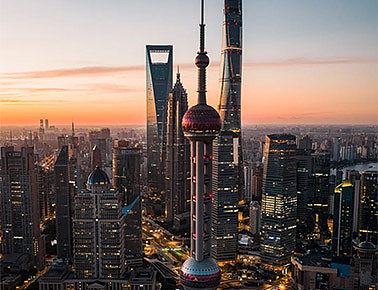
 Shanghai Research Summer CampShanghai is China's economic, financial, trade, and shipping hub, a cosmopolitan metropolis that blends modern prosperity with profound historical heritage. Here, you can find both the century-old charm of the Bund and the lively atmosphere of Old Town, as well as the skyscrapers of Lujiazui and world-class cultural tourism experiences.
 Study Tour Travel ItineraryGoing to Shanghai for a study tour is, simply put, a 'walking classroom,' with the core meaning being to closely connect textbook knowledge with real-life experiences.
 Beijing Essence Customized 5-Day Pure Play TourBeijing Essence 5-Day Pure Play Customized Tour, with private car transfers to visit world cultural heritage sites such as the Forbidden City, the Great Wall, and Tiananmen Square. Experience Hutong culture, enjoy a shopping-free itinerary, and benefit from multilingual guide services for a private and exclusive travel experience.
 Shanghai + Suzhou + Wuzhen 6-Day Custom TourImmersive Experience of Jiangnan's Scenic Beauty~
") 4 Days & 3 Nights Customized Tour in Luoyang (Peony Viewing Available in April)This city, known as the 'Ancient Capital of Thirteen Dynasties' and the 'Divine Capital', is engraved with the historical and cultural imprint of the 'Earliest China'.
4 Days & 3 Nights Customized Tour in Luoyang (Peony Viewing Available in April)This city, known as the 'Ancient Capital of Thirteen Dynasties' and the 'Divine Capital', is engraved with the historical and cultural imprint of the 'Earliest China'.
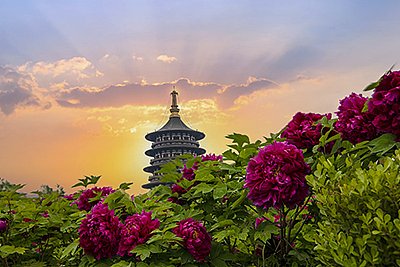
"Only the peony is truly the nation's beauty, blooming in season to move the capital." In 1982, Luoyang designated the peony as its city flower, and every April, it hosts the China Luoyang Peony Culture Festival.
Symbolic meaning: The king of flowers, representing wealth, prosperity, and auspiciousness. Xi'an 5-Day In-Depth TourThe ancient capital of thirteen dynasties, one of the world's four great ancient capitals, the starting point of the Silk Road, and the ancestral home of 'Glorious Tang Chang'an' in the hearts of overseas Chinese.
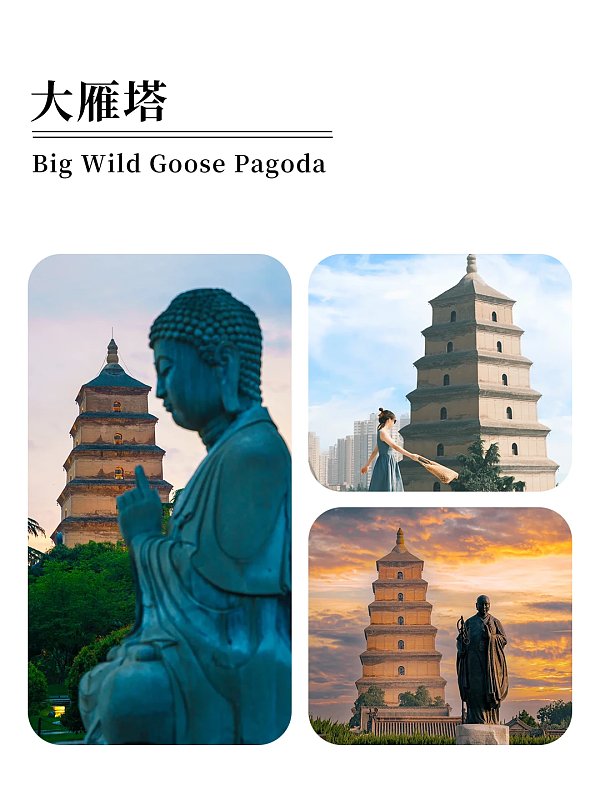
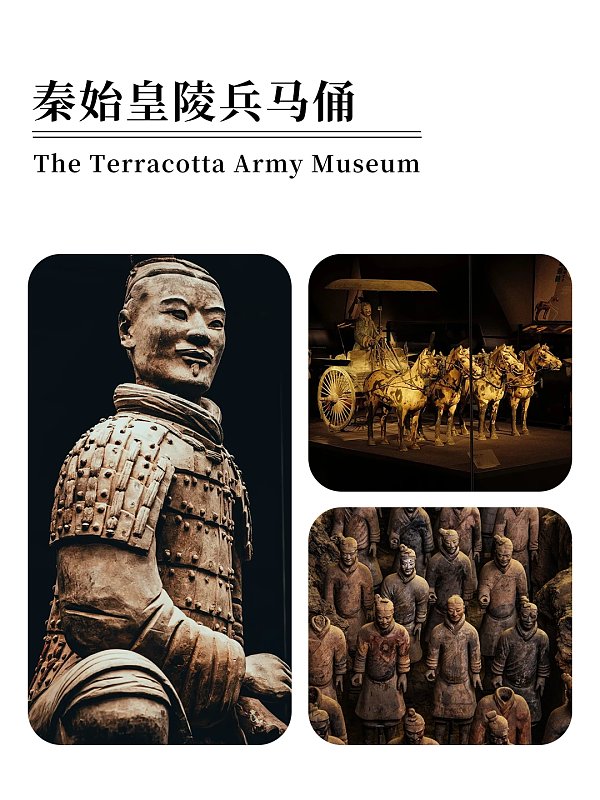
Here lies the Eighth Wonder of the World—the Terracotta Army, China's best-preserved Ming Dynasty city wall, the Great Wild Goose Pagoda where Xuanzang translated Buddhist scriptures, and the dreamlike Tang Dynasty Ever-Bright City at night.