

Why is it increasingly difficult for China Tourism Culture Research Group to conduct in-depth studies? The biggest gap lies in the mismatch between course design and on-site resources
Why is it difficult for China's cultural tourism research groups to go deep? The key lies in the disconnect between curriculum design and on-site resources—Shaolin Temple accommodation bookings, martial arts training courses, and performance times not matching, Qingming Shanghe Garden tour services and optimal sightseeing routes being disjointed, Kaifeng government explanations remaining superficial... Henan Letu Travel Agency, based in Luoyang, directly addresses the pain points of implementing China's premium tourism small group experiences.
1. Curriculum and Resources "Two Layers of Skin": The Structural Knot Behind Failed Research Implementation
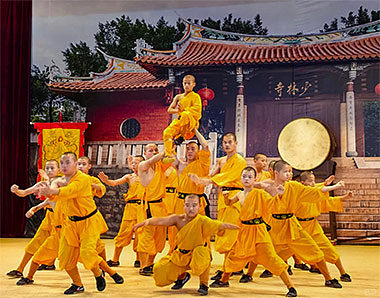
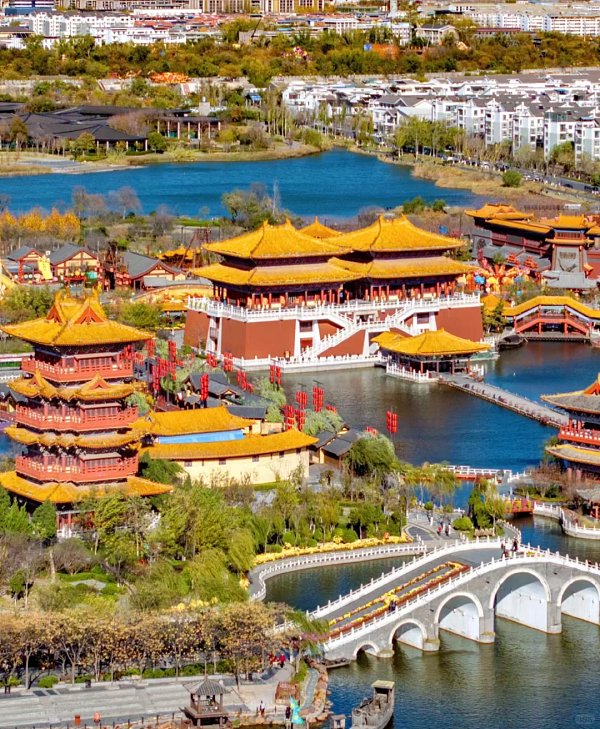
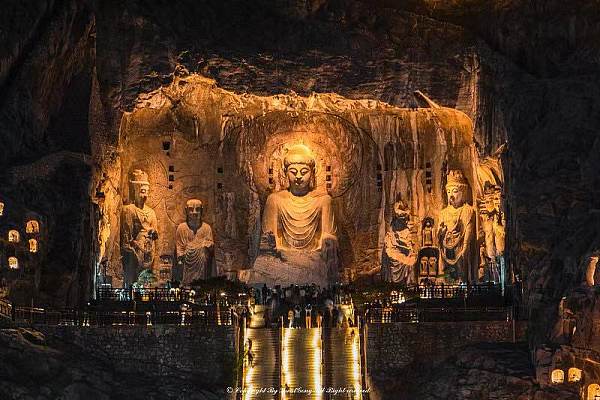
While the cultural tourism research market grows at an annual rate of 12.3%, 68% of B-end procurement parties report "flashy curriculum proposals with disappointing execution." The core issue isn’t superficial content but the long-term disconnect between curriculum design and on-site operational resources: research teams develop in Zhengzhou or Beijing behind closed doors, while Shaolin Temple offers only three daily martial arts training sessions (9:00/11:30/15:00), each capped at 25 participants; Qingming Shanghe Garden requires 72-hour advance bookings for immersive scripted guided tours; Longmen Grottoes Research Institute certifies lecturers quarterly, barring unauthorized personnel from conducting thematic teaching in the caves.
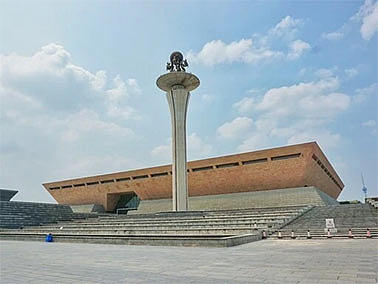
This "time-space-qualification" mismatch leads to a 41.7% deviation rate in research group itineraries. A certain East China education institution’s "Oracle Bone Culture Seven-Day Camp" saw only 35% of participants complete artifact rubbing due to the Yin Ruins archaeological site limiting daily hands-on sessions to two slots (10:00/14:00), with others downgraded to exhibition hall tours.
Henan Letu leverages Luoyang’s localized operations to establish a "dual-track verification mechanism": all curricula must synchronize with scenic area resource scheduling systems (real-time schedules, capacity, white-listed qualifications) and ground execution teams (guide rotations, vehicle routes, meal prep cycles). This improved implementation accuracy to 96.2%, reducing per-group adjustments from 5.3 to 0.8 times.
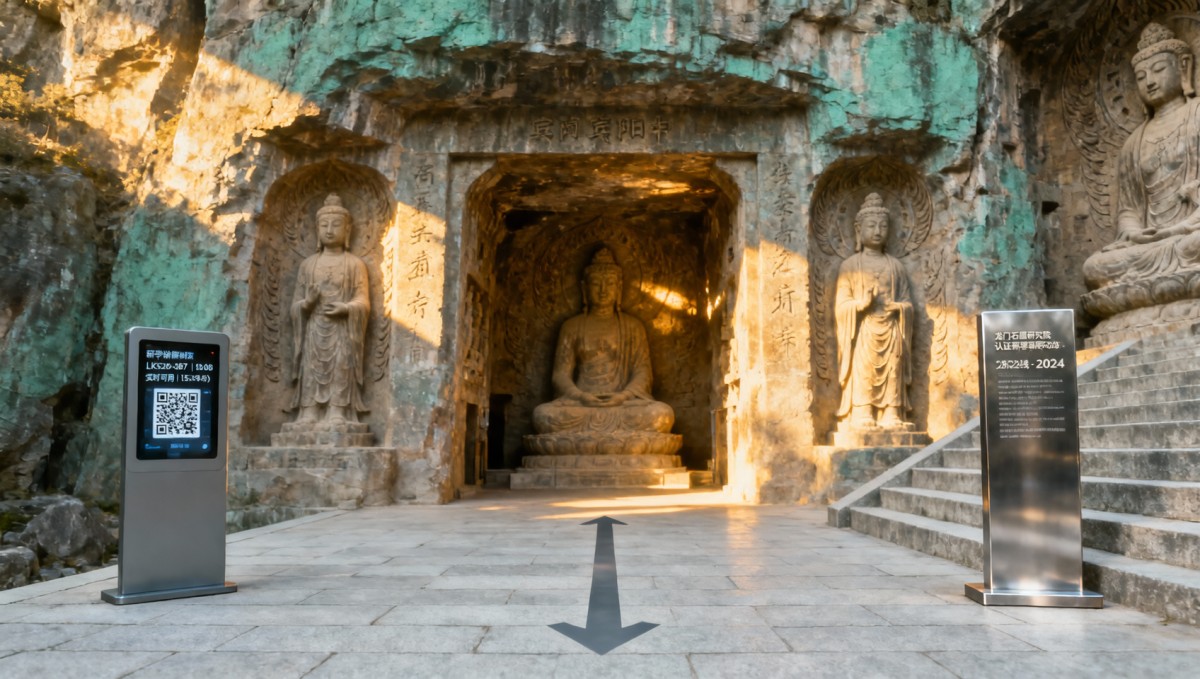
The data reveals: mismatches stem from information silos. Letu’s "dual-track" system embeds curriculum design into scenic area operations—accessing Shaolin’s smart management platform for real-time schedules while syncing with Anyang Museum’s booking system to achieve 15-minute precision.
2. From "Group-Ready" to "Research-Capable": The Evolution Path for Ground Service Providers
Traditional operators focus on "vehicle+guide+accommodation+ticket" logistics, whereas deep research requires "curriculum-instructor-venue-tools-assessment" five-dimensional coordination. Letu built a three-tier support system: base layer (standardized SOPs covering 127 nodes), professional layer (32 in-house researchers/non-legacy bearers/education masters), and ecosystem layer (partnerships with Henan Cultural Heritage Bureau and Luoyang Normal University).
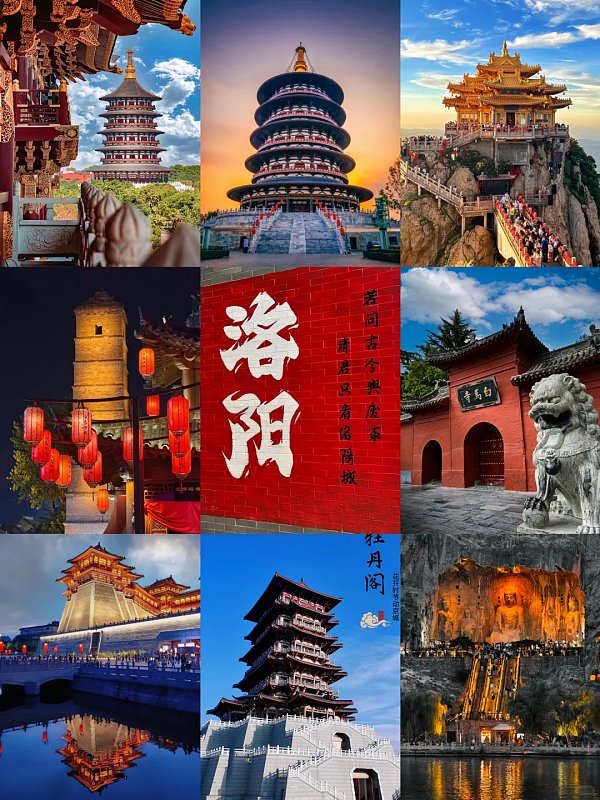
Their "Luoyang Time-Travel" route features six immersive modules: ① Sui-Tang Luoyang City AR restoration (requiring municipal archaeology institute data); ② White Horse Monastery sutra workshops (monk-led); ③ Luoyang Museum bronze rubbing (special tools/supervisors). Each module has dedicated resource coordinators ensuring 100% on-site execution.
Data shows this model achieves 73.5% client repeat rates—29 points above industry average. For corporate clients, Letu’s "Central Plains Governance Wisdom Program" combines Erlitou Xia Dynasty ruins with modern management theory, commanding premium fees of ¥42,000/person (vs. market average ¥26,000).
3. Procurement Decision Guide: Identifying Truly Research-Capable Partners
For evaluators, we distilled five hard criteria:
- Official scenic area partnerships (e.g., Shaolin Cultural Tourism Group/Longmen Grottoes certifications)
- Resource pool tagging (e.g., "Longmen Grottoes Lecturer LKS2024-087")
- Provision of 3-month 《Resource Matching Execution Reports》 (time slot fulfillment, instructor attendance, tool completeness)
- Minute-level contingency plans (e.g., VR substitutions for closed sites within 15 minutes)
- Open "curriculum-resource" bidirectional tracking (real-time view of venue schedules/guide rotations/vehicle tracking)
Letu’s transparent "Research Resource Dashboard" allows cross-referencing by date/destination/module, integrating 23 provincial research bases with 1,200+ daily updates, shortening decision cycles by 6.8 workdays.
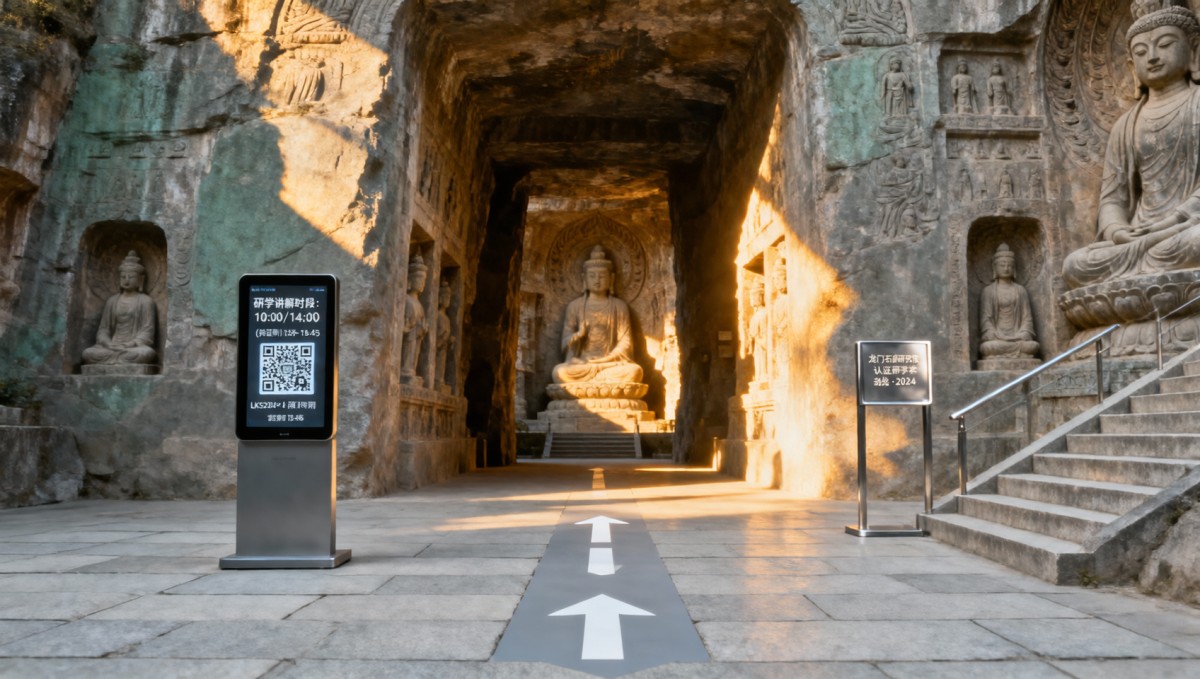
Choosing partners is fundamentally risk management. When research groups carry educational missions and brand reputations, every resource gap can escalate into trust crises. Letu’s "Luoyang Model" proves: only by rooting local capabilities in regional cultural muscles can curricula grow implementation roots.
4. Action Plan: Launch Your Resource Adaptation Now
If facing "good-on-paper, poor-in-practice" curricula, implement this three-step plan:
- Resource Audit: Submit existing outlines for Letu’s 《Henan Research Resource Fit Report》 within 48 hours (conflict analysis, gap identification, optimization suggestions)
- Co-Development: Joint workshops restructuring itineraries using Luoyang/Zhengzhou/Anyang/Kaifeng databases
- Pilot Testing: 3 trial runs with full transparency, transitioning to annual contracts upon success
Rooted in Central Plains culture for 23 years, Letu has served 217 education institutions, 43 SOEs, and multinationals. We know true cultural research lives not in PPTs, but in Shaolin’s morning bell echoes, oracle bone inscriptions, and Luoyang peony dawns.
Contact us now for exclusive 《Henan Research Resource Fit Toolkit》 and first-group booking privileges.
Popular destinations
 Luoyang Longmen + Shaolin Kung Fu JourneyLongmen Grottoes are the imperial memories carved in stone, while Shaolin Temple embodies the Zen philosophy of martial arts life.
 Kaifeng One-Day Highlights TourKaifeng is an ancient city located in eastern Henan Province, China, renowned as the 'Capital of Eight Dynasties' and 'Living Northern Song Culture'.
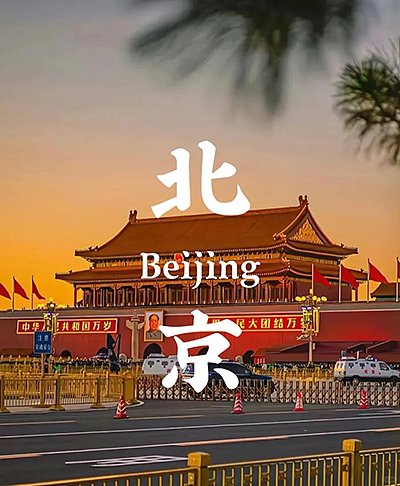
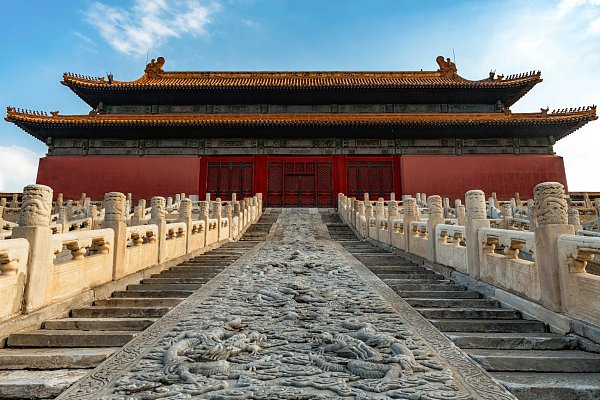
 Beijing Essence Two-Day TourBeijing is the window to history, where you can witness authentic historical relics like the Forbidden City, the Great Wall, and the Temple of Heaven. It is the cultural heartland—ride a rickshaw through the hutongs to experience traditional Beijing life, or visit Wangfujing and Sanlitun to immerse yourself in modern China's fashion and vibrancy. It is also a foodie's paradise, offering Peking duck and street snacks that rival imperial cuisine, satisfying every palate.
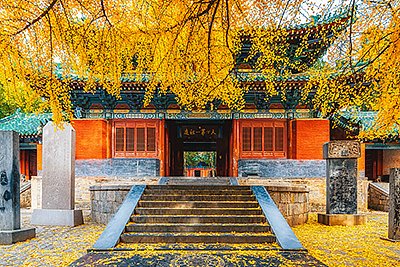
 The Shaolin Kung Fu JourneyShaolin Temple is the ancestral home of Chinese Zen Buddhism and the birthplace of martial arts worldwide, renowned for its 'Zen and Martial Unity.' In a nutshell: Want to see where 'Chinese Kung Fu' comes from? Shaolin Temple is the place.
") Luoyang Essence One-Day Tour (Customized Tour, April Peony Viewing)Root-Seeking Journey · A Daydream Back to the Divine Capital: On this day, we are not just tourists, but also returning descendants of "Old Home Henan."
Luoyang Essence One-Day Tour (Customized Tour, April Peony Viewing)Root-Seeking Journey · A Daydream Back to the Divine Capital: On this day, we are not just tourists, but also returning descendants of "Old Home Henan."") Xi'an Highlights One-Day Tour (Customizable Itinerary)From the Terracotta Warriors to the Tang Paradise · Experience the essence of Chang'an in a day. On this day, we won't just be passing tourists, but true 'Chang'an guests.'
Xi'an Highlights One-Day Tour (Customizable Itinerary)From the Terracotta Warriors to the Tang Paradise · Experience the essence of Chang'an in a day. On this day, we won't just be passing tourists, but true 'Chang'an guests.'") Luoyang Leisure Two-Day Tour (Customizable Tour in April to View Peonies)To inquire about the rise and fall of ancient and modern affairs, just look at Luoyang City."
Luoyang Leisure Two-Day Tour (Customizable Tour in April to View Peonies)To inquire about the rise and fall of ancient and modern affairs, just look at Luoyang City."
Some say Luoyang is a city favored by time.
She is not the kind of stunning beauty that captivates at first glance. Her charm lies hidden—in the subtle smile of the Great Buddha of Longmen Grottoes, carved with devotion by artisans of Empress Wu Zetian's era. That smile, exuding compassion, predates the Mona Lisa by a thousand years. Chengdu RouteChengdu, hailed as the 'Land of Abundance' for leisure, is also the hometown of giant pandas, where you can get up close to admire the 'national treasures' in their natural charm. The city's core allure lies in its unique 'slow-living' aesthetic: the aroma-filled streets of hotpot skewers, the time-honored old teahouses, and the inclusive atmosphere that perfectly blends modern fashion with the hustle and bustle of urban life, making visitors reluctant to leave.
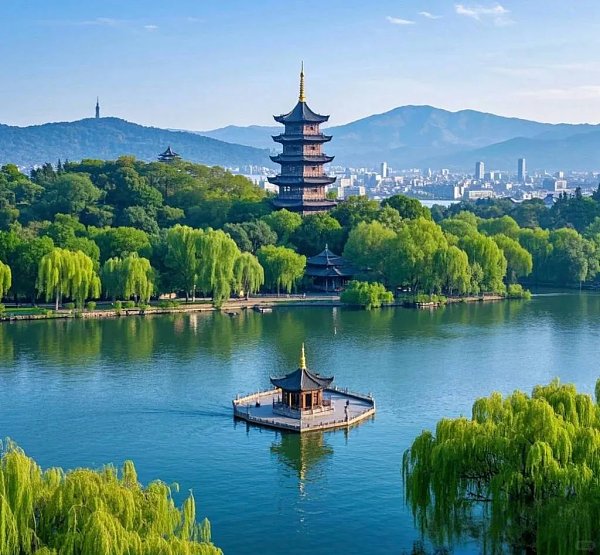
 Hangzhou RouteHangzhou is known as 'Heaven on Earth,' a perfect blend of traditional Jiangnan charm and modern technology. The magic of Hangzhou lies in the fact that one moment you can be listening to the bell chimes of a thousand-year-old temple, and the next, you can be sipping premium coffee in a modern shopping mall.
 Family-friendly travel itinerary 2Standing at the 'center of the world,' deepen the knowledge from books and broaden the horizons through travel.
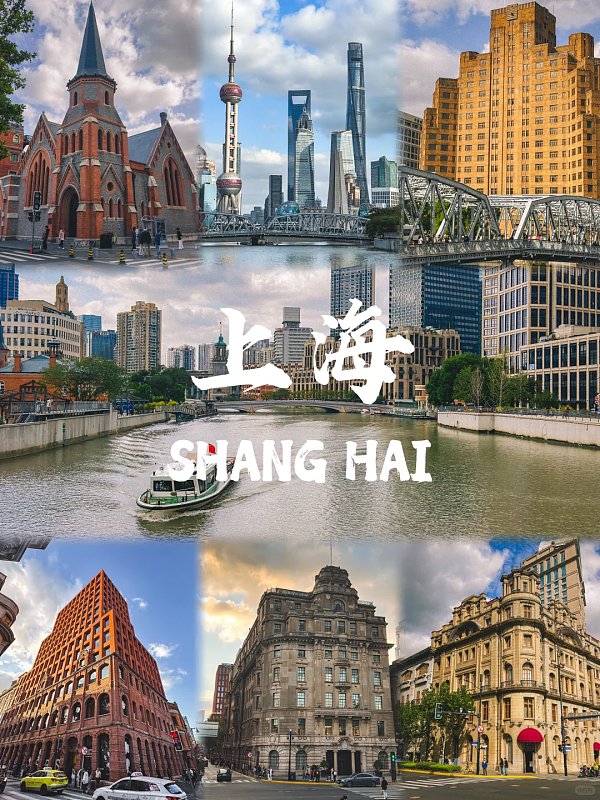
 Shanghai Research Summer CampShanghai is China's economic, financial, trade, and shipping hub, a cosmopolitan metropolis that blends modern prosperity with profound historical heritage. Here, you can find both the century-old charm of the Bund and the lively atmosphere of Old Town, as well as the skyscrapers of Lujiazui and world-class cultural tourism experiences.
 Study Tour Travel ItineraryGoing to Shanghai for a study tour is, simply put, a 'walking classroom,' with the core meaning being to closely connect textbook knowledge with real-life experiences.
 Beijing Essence Customized 5-Day Pure Play TourBeijing Essence 5-Day Pure Play Customized Tour, with private car transfers to visit world cultural heritage sites such as the Forbidden City, the Great Wall, and Tiananmen Square. Experience Hutong culture, enjoy a shopping-free itinerary, and benefit from multilingual guide services for a private and exclusive travel experience.
 Shanghai + Suzhou + Wuzhen 6-Day Custom TourImmersive Experience of Jiangnan's Scenic Beauty~
") 4 Days & 3 Nights Customized Tour in Luoyang (Peony Viewing Available in April)This city, known as the 'Ancient Capital of Thirteen Dynasties' and the 'Divine Capital', is engraved with the historical and cultural imprint of the 'Earliest China'.
4 Days & 3 Nights Customized Tour in Luoyang (Peony Viewing Available in April)This city, known as the 'Ancient Capital of Thirteen Dynasties' and the 'Divine Capital', is engraved with the historical and cultural imprint of the 'Earliest China'.
"Only the peony is truly the nation's beauty, blooming in season to move the capital." In 1982, Luoyang designated the peony as its city flower, and every April, it hosts the China Luoyang Peony Culture Festival.
Symbolic meaning: The king of flowers, representing wealth, prosperity, and auspiciousness. Xi'an 5-Day In-Depth TourThe ancient capital of thirteen dynasties, one of the world's four great ancient capitals, the starting point of the Silk Road, and the ancestral home of 'Glorious Tang Chang'an' in the hearts of overseas Chinese.
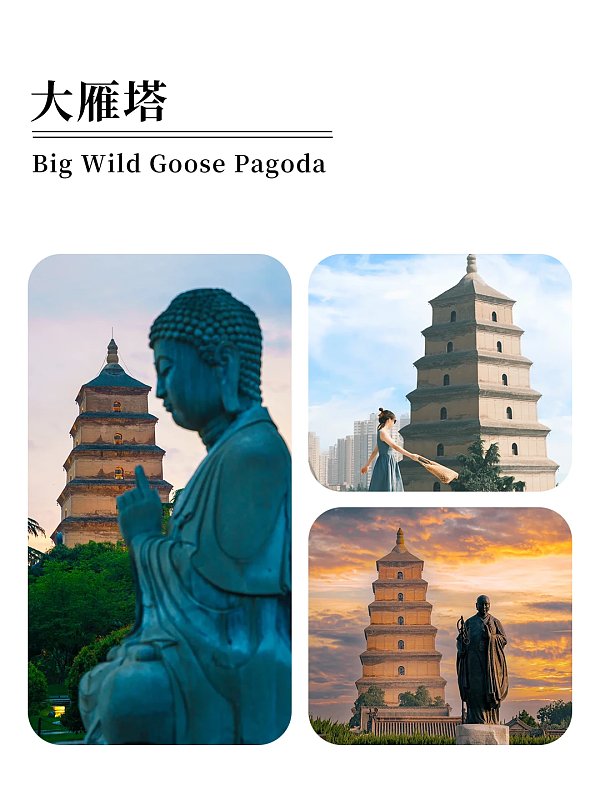
Here lies the Eighth Wonder of the World—the Terracotta Army, China's best-preserved Ming Dynasty city wall, the Great Wild Goose Pagoda where Xuanzang translated Buddhist scriptures, and the dreamlike Tang Dynasty Ever-Bright City at night.