
Seeking roots and ancestors in Henan: Why do most people bypass Anyang Yin Ruins and head straight to Luoyang? A comparative analysis of cultural significance between the two cities
When seeking roots and ancestors in Henan, why do most people bypass the Yin Ruins in Anyang and head straight to Luoyang? The strong appeal of IPs like Shaolin Temple tourism and Longmen Grottoes in Luoyang stems from a comprehensive balance of cultural weight, transportation efficiency, and experiential depth. Leto Travel Agency helps you rationally compare the value propositions of these two destinations, providing decision-making references for business travel and cultural research.
1. Cultural Weight: Yin Ruins as the "Origin" vs. Luoyang as the "Hub"
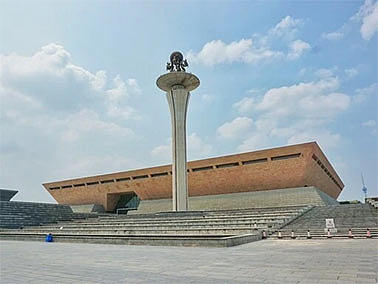
As the earliest verifiable capital ruins with written records in China (dating back 3,300 years), Anyang's Yin Ruins represent the birthplace of oracle bone inscriptions and the political center of late Shang Dynasty, holding irreplaceable historical significance as a cultural origin point. In 2023, after the opening of the new Yin Ruins Museum, it received over 420,000 research visitors annually, with university archaeology teams and history specialists accounting for 68%. However, its cultural presentation leans heavily toward academic rigor and static displays, with an interactive conversion rate below 35%.
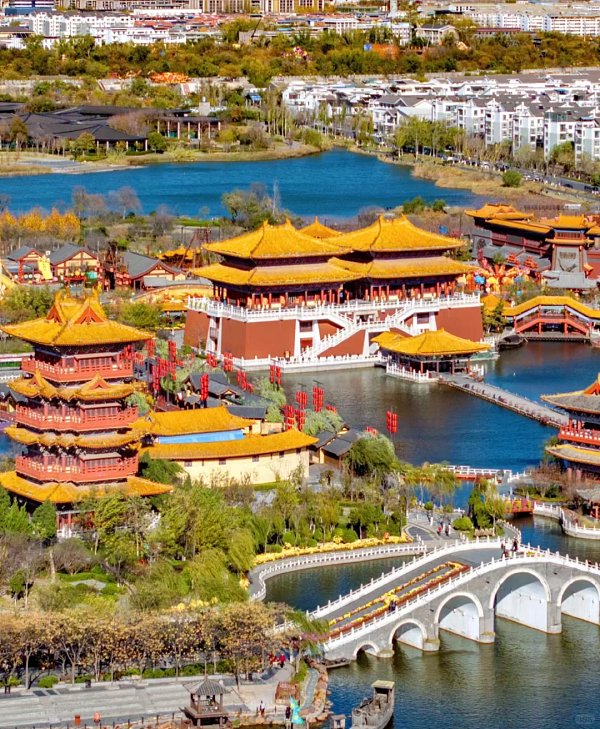
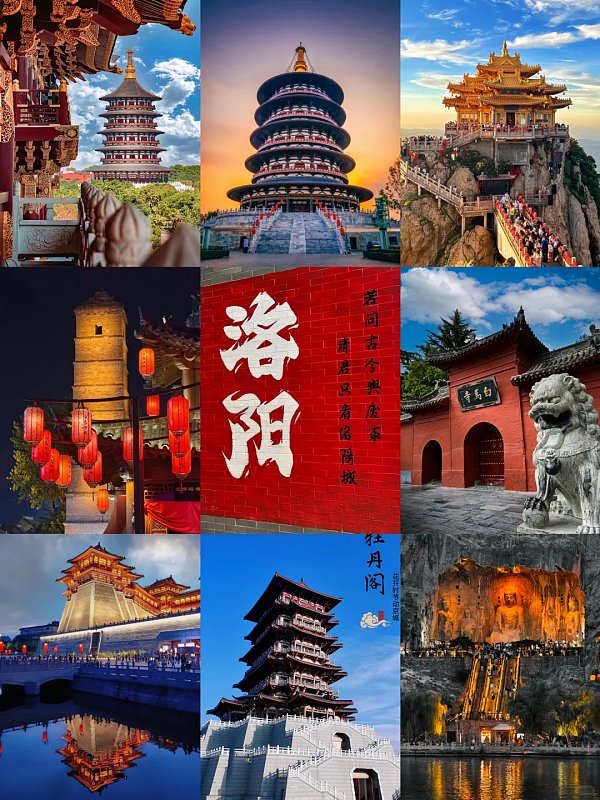
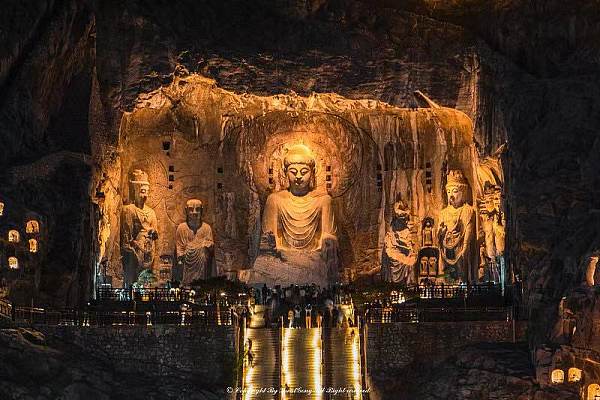
Luoyang, built upon its "Thirteen Dynasties Ancient Capital" heritage, forms a composite cultural matrix: Longmen Grottoes (a UNESCO World Heritage Site with 2,345 extant caves and over 100,000 statues), White Horse Temple (China's first Buddhist temple), Sui-Tang Luoyang City National Heritage Park, and Erlitou Xia Dynasty Ruins Museum (3,800 years old) collectively create a continuous civilization spectrum from Xia to Tang. 2024 tourism consumption data shows Luoyang visitors stay 2.8 days on average—1.3 days longer than Anyang—with nighttime cultural consumption accounting for 41%, significantly higher than Anyang's 22%.
For B2B procurement, cultural weight depends not just on "historical depth" but more crucially on "conversion efficiency"—whether it supports: 3+ hours of in-depth interpretation, 2+ immersive experiences, and 1 standardized research course package. Luoyang has established 12 provincial-level research practice education bases, developing customized products like the "Divine Capital Twelve Hours" immersive theater routes. Anyang currently has only 2 certified bases with 3 course packages.
Data shows Luoyang's clear advantages in heritage density, research capacity, and course adaptability. Particularly for high-frequency scenarios like primary/middle school research groups, corporate party-building training, and university humanities practice, Luoyang offers a three-tier solution: "half-day simulated excavation at Yin Ruins + half-day Longmen Grottoes rubbing experience + one-day Sui-Tang city ritual reenactment," while Anyang currently lacks cross-site linkage capabilities.
2. Transportation Efficiency: 30-Minute HSR Access Highlights Luoyang's Hub Advantage
The high-speed rail between Anyang East and Longmen Station takes just 30-38 minutes, with 22 daily departures (2024 Q2 data). However, Anyang Station's tourist shuttle buses to Luoyang city center operate only 6 weekly trips without luggage transfer or bilingual guide services. In contrast, Longmen Station features a "Leto Cultural Tourism Service Center" offering dedicated shuttles (15-minute response), luggage storage, multilingual guide devices, and scenic spot direct-booking services.
Resource allocation-wise, as Henan's core transportation node, Luoyang connects 37 A-level scenic spots via direct buses across 8 cities including Zhengzhou and Kaifeng. Anyang mainly relies on regional routes to Handan and Shijiazhuang, with provincial coordination response times averaging 4.2 hours—nearly 3 times longer than Luoyang's 1.5 hours.
For project managers, route efficiency directly impacts team turnover costs. A 50-person research team conducting "Longmen Grottoes + White Horse Temple + Ancient Luoyang City" tours in Luoyang maintains scheduling deviations within ±8 minutes. The same itinerary in Anyang ("Yin Ruins + Huanbei Shang City + Yue Fei Temple") increases daily transit time by 1.7 hours due to scattered sites and road conditions, compressing effective learning time by 23%.
3. Experiential Depth: From "Passive Viewing" to "Participatory Heritage"
Yin Ruins currently prioritizes site preservation, with over 90% areas off-limits and core zones capped at 300 visitors/hour. Luoyang has built 6 immersive spaces: Longmen AR Digital Buddha (12-language audio guides), Ancient Luoyang City非遗workshops (daily paper-cutting/Tang tri-color/incense-making classes), and Sui-Tang City应天门light shows (800-seat, 327 annual performances).
Leto tailors delivery standards: corporate groups get "red culture + ancient capital" dual courses (including CPC Luoyang founding site and Dingding Gate ruins); family tours enforce "3-hour hands-on rules" (each child completes 1 pottery replica, 1 grotto rubbing, 1 period costume performance); senior groups adopt "slow-paced itineraries" (≤3.2km/day with 4 rest stops and ≤5-minute medical response).
Data confirms Luoyang's finer service granularity, faster response, and more stable delivery. Its safety protocols feature "three-checks four-verifications"—pre-departure vehicle inspections, guide health codes, and insurance certificates; mid-tour epidemic controls, first-aid kits, fire exits, and emergency contacts—ensuring 100% pass rates in cultural tourism bureau audits.
4. Procurement Recommendations: Scenario-Based Resource Matching
We advise selecting destinations based on four key indicators:
- Research Intensity: ≥3 lesson hours/day + cross-dynasty comparisons → prioritize Luoyang; focused Shang Dynasty archaeology/oracle bone studies → choose Anyang.
- Budget Flexibility: ~800 RMB/person → Luoyang offers better value (3 core tickets + transport + guide packages for 728 RMB); deep archaeology training → Anyang's customization costs 15%-22% less.
- Compliance Requirements: Involving minors/foreigners/seniors → Luoyang's mature service system has zero major complaints in 3 years, certified as Henan's "Quality Service Demonstration Unit".
- Brand Communication: Needing short videos/live tours/derivative文创 → Luoyang connects with Douyin's official tourism matrix for synchronized customized content.
Leto offers dual-core "Anyang+Luoyang" solutions: starting at Yin Ruins and culminating in Luoyang experiences, featuring 5-day "Civilization Origins" tours with 2 nights in Anyang (oracle bone-themed hotels) and 3 in Luoyang (ancient city boutique lodgings), plus dedicated guides, bilingual manuals, and digital portfolios, compressing delivery cycles to 5 workdays.
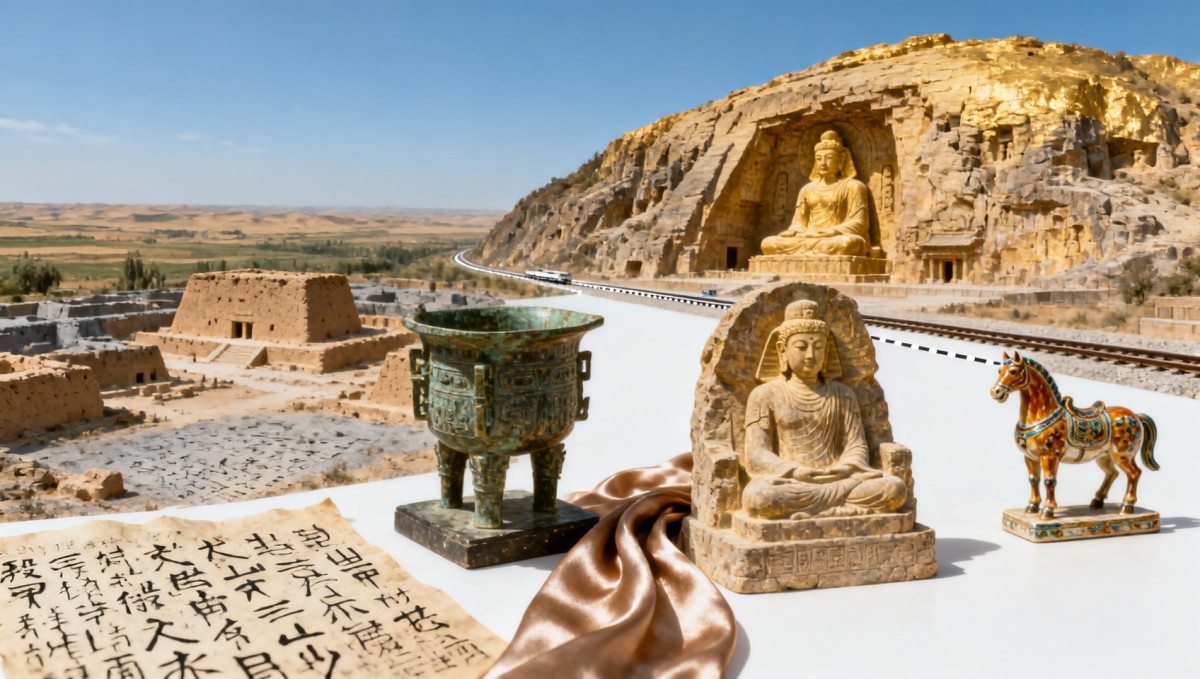
5. Conclusion: Transforming Every Root-Seeking Journey into Deliverable Cultural Value
Yin Ruins marks Chinese civilization's source coordinates; Luoyang serves as its dynamic super-interface. For researchers, we provide dual-city databases and course matching models; for procurement teams, real-time inventory systems and tiered pricing; for executives, pilot runs (≤15 people) and full-program evaluation reports (NPS, knowledge retention, media impact).
Rooted in Luoyang for 12 years, Leto has served 472 enterprises and 217 schools, delivering 3,800+ cultural travel projects. We don't "move scenery"—we translate Central Plains culture's value propositions.
Contact Leto's customization team for the "Anyang-Luoyang Research Resource Package" and "B2B Cultural Travel Procurement White Paper," including free initial itinerary proposals and cost structure breakdowns.
Popular destinations
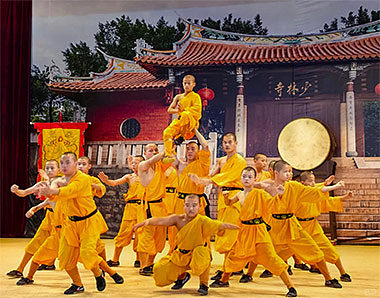
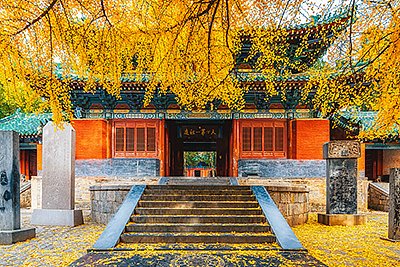
 Luoyang Longmen + Shaolin Kung Fu JourneyLongmen Grottoes are the imperial memories carved in stone, while Shaolin Temple embodies the Zen philosophy of martial arts life.
 Kaifeng One-Day Highlights TourKaifeng is an ancient city located in eastern Henan Province, China, renowned as the 'Capital of Eight Dynasties' and 'Living Northern Song Culture'.
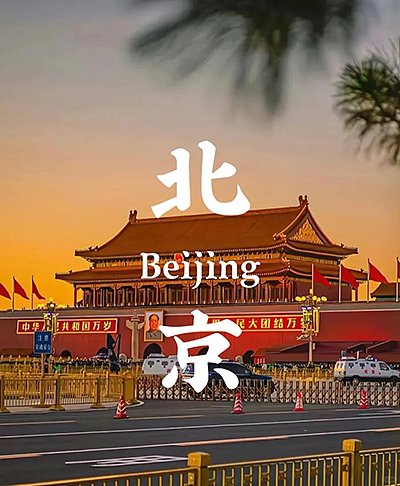
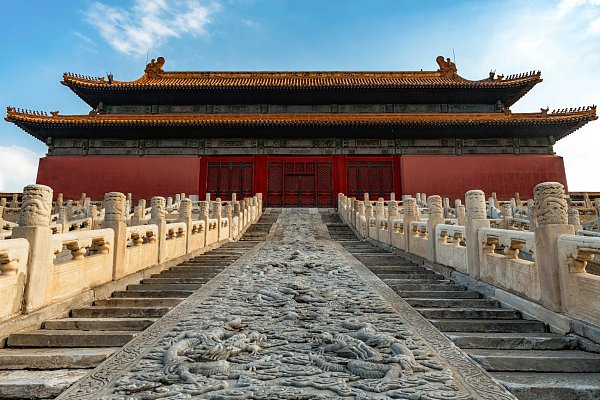
 Beijing Essence Two-Day TourBeijing is the window to history, where you can witness authentic historical relics like the Forbidden City, the Great Wall, and the Temple of Heaven. It is the cultural heartland—ride a rickshaw through the hutongs to experience traditional Beijing life, or visit Wangfujing and Sanlitun to immerse yourself in modern China's fashion and vibrancy. It is also a foodie's paradise, offering Peking duck and street snacks that rival imperial cuisine, satisfying every palate.
 The Shaolin Kung Fu JourneyShaolin Temple is the ancestral home of Chinese Zen Buddhism and the birthplace of martial arts worldwide, renowned for its 'Zen and Martial Unity.' In a nutshell: Want to see where 'Chinese Kung Fu' comes from? Shaolin Temple is the place.
") Luoyang Essence One-Day Tour (Customized Tour, April Peony Viewing)Root-Seeking Journey · A Daydream Back to the Divine Capital: On this day, we are not just tourists, but also returning descendants of "Old Home Henan."
Luoyang Essence One-Day Tour (Customized Tour, April Peony Viewing)Root-Seeking Journey · A Daydream Back to the Divine Capital: On this day, we are not just tourists, but also returning descendants of "Old Home Henan."") Xi'an Highlights One-Day Tour (Customizable Itinerary)From the Terracotta Warriors to the Tang Paradise · Experience the essence of Chang'an in a day. On this day, we won't just be passing tourists, but true 'Chang'an guests.'
Xi'an Highlights One-Day Tour (Customizable Itinerary)From the Terracotta Warriors to the Tang Paradise · Experience the essence of Chang'an in a day. On this day, we won't just be passing tourists, but true 'Chang'an guests.'") Luoyang Leisure Two-Day Tour (Customizable Tour in April to View Peonies)To inquire about the rise and fall of ancient and modern affairs, just look at Luoyang City."
Luoyang Leisure Two-Day Tour (Customizable Tour in April to View Peonies)To inquire about the rise and fall of ancient and modern affairs, just look at Luoyang City."
Some say Luoyang is a city favored by time.
She is not the kind of stunning beauty that captivates at first glance. Her charm lies hidden—in the subtle smile of the Great Buddha of Longmen Grottoes, carved with devotion by artisans of Empress Wu Zetian's era. That smile, exuding compassion, predates the Mona Lisa by a thousand years. Chengdu RouteChengdu, hailed as the 'Land of Abundance' for leisure, is also the hometown of giant pandas, where you can get up close to admire the 'national treasures' in their natural charm. The city's core allure lies in its unique 'slow-living' aesthetic: the aroma-filled streets of hotpot skewers, the time-honored old teahouses, and the inclusive atmosphere that perfectly blends modern fashion with the hustle and bustle of urban life, making visitors reluctant to leave.
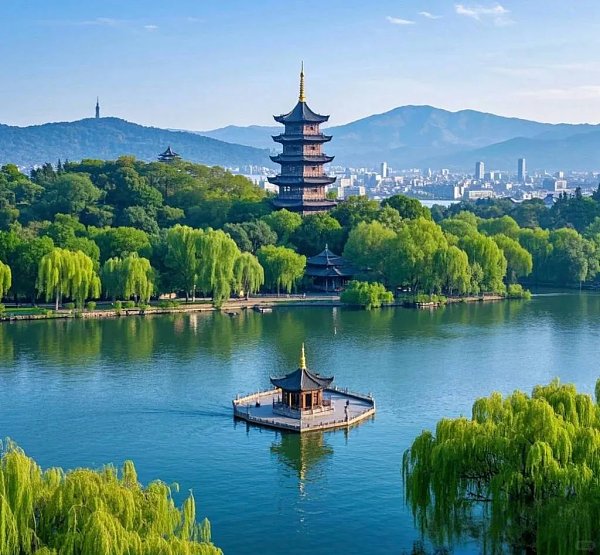
 Hangzhou RouteHangzhou is known as 'Heaven on Earth,' a perfect blend of traditional Jiangnan charm and modern technology. The magic of Hangzhou lies in the fact that one moment you can be listening to the bell chimes of a thousand-year-old temple, and the next, you can be sipping premium coffee in a modern shopping mall.
 Family-friendly travel itinerary 2Standing at the 'center of the world,' deepen the knowledge from books and broaden the horizons through travel.
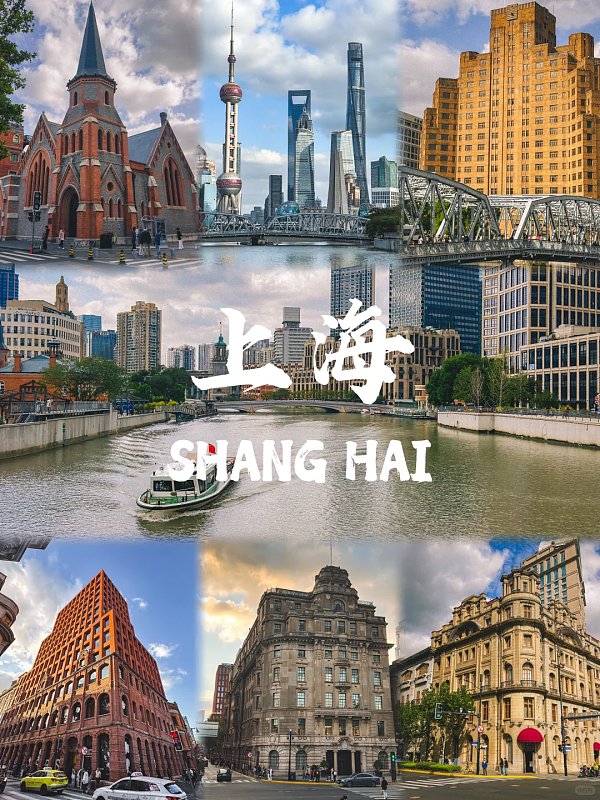
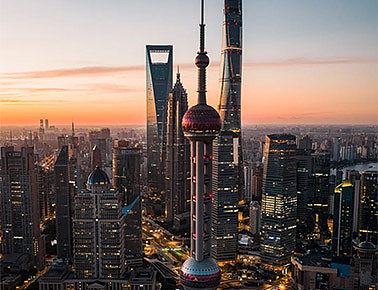
 Shanghai Research Summer CampShanghai is China's economic, financial, trade, and shipping hub, a cosmopolitan metropolis that blends modern prosperity with profound historical heritage. Here, you can find both the century-old charm of the Bund and the lively atmosphere of Old Town, as well as the skyscrapers of Lujiazui and world-class cultural tourism experiences.
 Study Tour Travel ItineraryGoing to Shanghai for a study tour is, simply put, a 'walking classroom,' with the core meaning being to closely connect textbook knowledge with real-life experiences.
 Beijing Essence Customized 5-Day Pure Play TourBeijing Essence 5-Day Pure Play Customized Tour, with private car transfers to visit world cultural heritage sites such as the Forbidden City, the Great Wall, and Tiananmen Square. Experience Hutong culture, enjoy a shopping-free itinerary, and benefit from multilingual guide services for a private and exclusive travel experience.
 Shanghai + Suzhou + Wuzhen 6-Day Custom TourImmersive Experience of Jiangnan's Scenic Beauty~
") 4 Days & 3 Nights Customized Tour in Luoyang (Peony Viewing Available in April)This city, known as the 'Ancient Capital of Thirteen Dynasties' and the 'Divine Capital', is engraved with the historical and cultural imprint of the 'Earliest China'.
4 Days & 3 Nights Customized Tour in Luoyang (Peony Viewing Available in April)This city, known as the 'Ancient Capital of Thirteen Dynasties' and the 'Divine Capital', is engraved with the historical and cultural imprint of the 'Earliest China'.
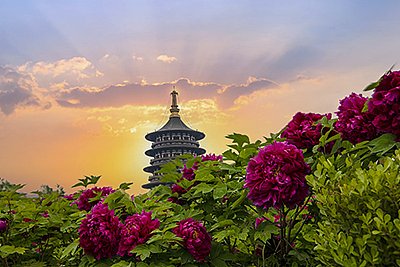
"Only the peony is truly the nation's beauty, blooming in season to move the capital." In 1982, Luoyang designated the peony as its city flower, and every April, it hosts the China Luoyang Peony Culture Festival.
Symbolic meaning: The king of flowers, representing wealth, prosperity, and auspiciousness. Xi'an 5-Day In-Depth TourThe ancient capital of thirteen dynasties, one of the world's four great ancient capitals, the starting point of the Silk Road, and the ancestral home of 'Glorious Tang Chang'an' in the hearts of overseas Chinese.
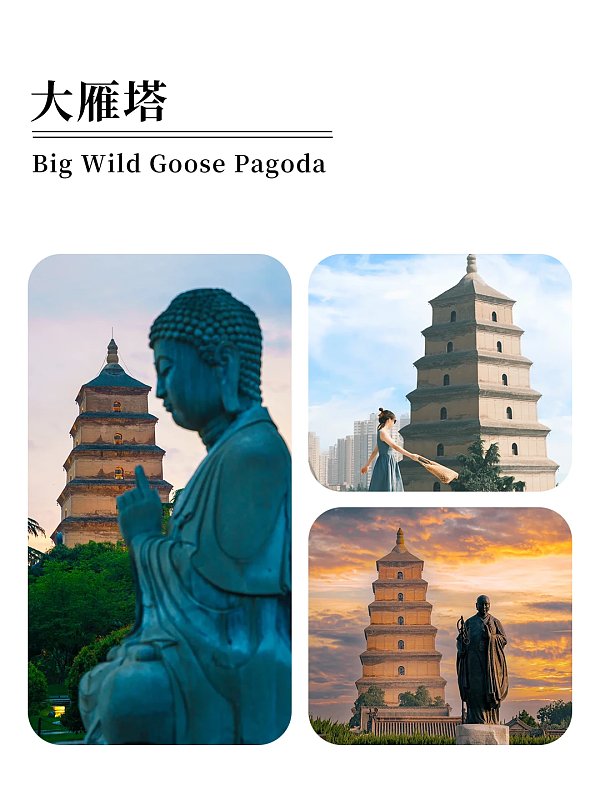
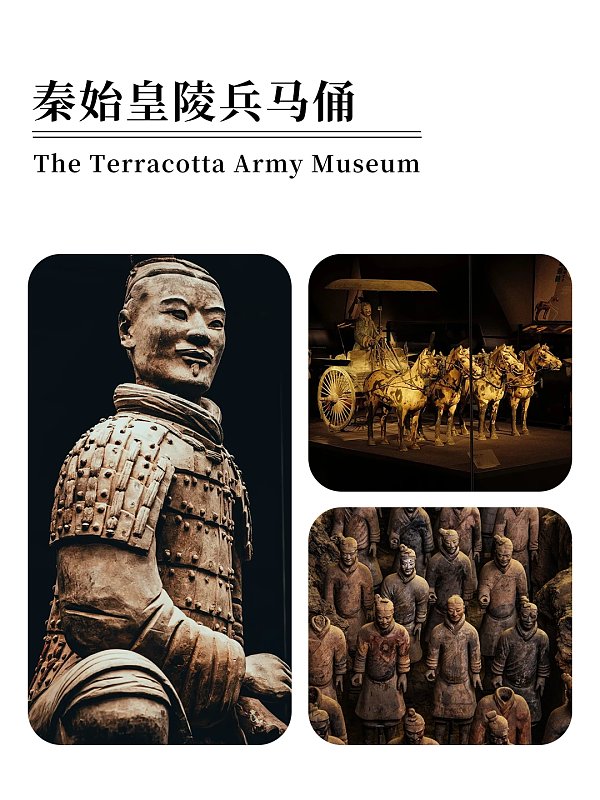
Here lies the Eighth Wonder of the World—the Terracotta Army, China's best-preserved Ming Dynasty city wall, the Great Wild Goose Pagoda where Xuanzang translated Buddhist scriptures, and the dreamlike Tang Dynasty Ever-Bright City at night.