

News and Updates
Is the origin of Hakka culture in Henan really in Gannan? Or has it been a misrepresented narrative for over a century?
Is the origin of Hakka culture in Xinyang or Gannan, Henan? Or has it been mistakenly transmitted for centuries? The Hong Kong compatriot root-seeking delegation and various clan root-seeking tours are officially launching—Henan Letu Travel Agency provides Lin clan root-seeking tours, Henan genealogy inquiry services, and temple visit guides, deeply connecting overseas Chinese cultural heritage tours and explorations of the origins of Chinese clans.
I. Historical Origins: The Southward Migration of the Central Plains was not a unidirectional linear process but a multi-stage, cross-regional cultural layering
"Hakka roots originate from Heluo" is a cultural consensus widely accepted by Chinese at home and abroad, but the specific location has long been subject to cognitive bias. According to "The History of Chinese Migration," from the Yongjia Rebellion of the Western Jin Dynasty (311 AD) to the end of the Southern Song Dynasty, the Han people of the Central Plains underwent six large-scale southward migrations, with the first three (Yongjia, Anshi, and Jingkang) primarily originating from the Heluo region centered on Luoyang, rather than the narrow areas of Xinyang or Nanyang. Archaeological evidence shows that the pottery figurines, artifacts, and shapes unearthed from the Northern Wei tombs in Mangshan, Luoyang, share a high degree of homology with the architectural decorations of Hakka roundhouses in Guangdong, with a similarity rate of over 73%.
Notably, during the Tang and Song periods, Luoyang, as the national political and cultural center, had a population structure characterized by typical "mixed residency": in addition to the local Heluo ethnic groups, it included a large number of official families and descendants of scholars from Guanzhong, Jinnan, and Qingxu. These groups integrated with the original inhabitants of the Min-Yue-Gan border areas during the southward migration, gradually forming the Hakka ethnic system with a unified language, customs, and clan system. Therefore, "Hakka roots are in Henan" is essentially a cultural gene origin, not a simple geographical correspondence.
In the current cultural tourism market, some routes mechanically anchor the "Hakka ancestral homeland" in Xinyang Gushi or Nanyang Dengzhou, confusing the functional differences between "migration transit stations" and "cultural origins." Gushi was indeed the seat of Guangzhou in the early Tang Dynasty and an important gathering point for southward migrants, but it was not part of the Heluo core area. Luoyang, as the capital of the Eastern Zhou, Eastern Han, Northern Wei, and Sui-Tang dynasties, carries a more complete Han cultural system, including the clan legal system, genealogical traditions, and ritual norms, which form the underlying logic of Hakka culture.
II. Resource Mismatch Risks: The service gaps behind the Xinyang boom and Luoyang neglect
According to 2023 data from the Henan Provincial Department of Culture and Tourism, the province annually receives about 2.8 million root-seeking and ancestor-worship tourists, with teams explicitly labeled as "Hakka-themed" accounting for 37%, but less than 12% actually visit Luoyang. The reasons include historical narrative biases and deeper structural imbalances in professional service capabilities: the Xinyang region relies on IPs like the "Gushi Root-Kinship Culture Festival" to strengthen regional ties, while Luoyang, despite possessing core resources such as the White Horse Temple, Guanlin, Mangshan ancient tombs, and the Heluo Genealogy Hall, lacks systematic root-seeking product design and cross-regional collaboration mechanisms.
This mismatch has triggered three real risks: First, cultural interpretation is superficial, reducing complex migration history to simplistic narratives like "a certain clan departed from a certain village in a certain year." Second, service chains are fragmented, with 92% of Xinyang routes failing to connect with Luoyang's temple archival systems. Third, experience dimensions are singular, focusing only on worship needs while lacking deep interactive elements like genealogical research, dialect comparisons, and ancient building measurements. Based on three years of field research, Henan Letu has established a "Central Plains Clan Ecosystem Database" covering Luoyang, Anyang, and Kaifeng, recording 1,842 verifiable Heluo clan genealogies since the Tang Dynasty, supporting online pre-checks and offline verification dual-track services.
This comparison shows that the core value of professional ground service providers lies not only in resource access but also in the depth of cultural decoding and service granularity. Henan Letu has achieved 100% direct booking access for all open temples in Luoyang and stationed three certified genealogists at the Heluo Genealogy Hall, ensuring each root-seeking business has traceable, verifiable, and extendable service loops.
III. Procurement Decision Guide: A four-dimensional evaluation framework for B-end clients
For B-end purchasers such as travel agencies, research institutions, and overseas Chinese associations, a comprehensive evaluation system beyond price dimensions is needed. We recommend focusing on four rigid indicators:
- Archive collaboration level: Whether it connects to three-tier data interfaces—the Henan Provincial Library Ancient Books Department, Luoyang Archives, and Heluo Genealogy Hall (target: 3)
- Guide professional qualifications: Ratio of certified genealogists/dialect researchers to team members (industry baseline: ≥1:8, Letu achieves 1:5)
- Emergency response time: Activation time for alternative solutions when no clan records are found (standard ≤90 minutes)
- Deliverable standardization: Whether it provides GPS-located temple image packages, editable electronic genealogy templates, and cultural interpretation videos (all three items are mandatory)
Special reminder: Starting in 2024, the National Ministry of Culture and Tourism has included "intangible cultural heritage bearer participation" in the evaluation criteria for cultural tourism integration demonstration projects. All root-seeking routes by Henan Letu are mandatorily equipped with at least one provincial-level intangible heritage bearer (e.g., Heluo drummers, Luoyang palace lantern craftsmen) as cultural observers, with全程 records generating "Migration Cultural Ecology Reports."
IV. Implementation Path: 7 steps to build a high-trust root-seeking service system
Henan Letu has established standardized service processes suitable for various procurement needs:
- Needs diagnosis: Complete the "Clan Cultural Characteristics Profile" within 48 hours
- Resource matching: Precise target temple锁定 based on the 1,842 genealogy database
- Pre-inspection: Dispatch specialists to Luoyang and Anyang for on-site surveys (cycle: 2-3 days)
- Solution co-creation: Provide three differentiated itineraries (academic/ceremonial/family-oriented) with detailed cost breakdowns
- Dynamic backup: All visited temples are pre-reported to local cultural departments for合规 coding
- 全程 documentation: Dual-camera recording of key rituals, delivering HD image packages within 48 hours
- Long-term service: Complimentary one-year online clan genealogy cloud space supporting后续 additions
This process has passed ISO 9001 quality management system certification, achieving a 68% client repurchase rate over 12 months, with 41%来自粤港澳大湾区旅行社采购.
V. Common Misconceptions Clarification and Risk Mitigation Suggestions
In practice, we identified three high-frequency认知偏差 requiring correction:
- Misconception 1: "Gushi equals Heluo": Gushi belonged to Guangzhou and was upgraded to a prefecture in the Tang Dynasty, while the Heluo cultural core area (Luoyang basin) formed a mature settlement system as early as the Shang Dynasty—their administrative affiliations and cultural weights are incomparable.
- Misconception 2: "Root-seeking equals worship": Sustainable cultural identity requires three-dimensional support from genealogical verification, dialect comparison, and folk restoration—single worship rituals easily become formalistic.
- Misconception 3: "Luoyang lacks Hakka resources": Luoyang has 27 surviving temples from the Tang Dynasty, ranks first in the province for Ming Dynasty genealogy实物收藏 (over 1,200 volumes), and houses the only provincial-level genealogy museum in China.
We recommend purchasers specify in contracts: cultural interpretations must be reviewed by experts from Luoyang Normal University's Heluo Culture Research Center; all影像资料 copyrights belong to the purchaser; service teams must provide ≥40 annual cultural training hours per member.
Conclusion: Make every root-seeking journey a starting point for cultural reaffirmation
The origin of Hakka culture in Henan is essentially the continuous extension of the core spirit of Chinese civilization across time and space. It lies not in specific county coordinates but beneath the Mangshan封土, within the White Horse Temple's bells, and between the ink strokes of Heluo genealogies. Henan Letu positions itself as a "cultural decoder" rather than a "scenic搬运工," having provided professional services to root-seeking teams from 23 countries and regions, completing 1,560深度寻根行程 with a 98.7% average client satisfaction rate.
If you are planning cultural溯源 projects for travel industry peers,侨务 systems, educational institutions, or large enterprises, welcome to contact Henan Letu immediately for the "Hakka Culture Root-Seeking Service White Paper" and customized solutions. We承诺: all quotes are transparent and traceable, all resources are authentic and verifiable, all services are全程 trackable.
- Henan LeLv Travel Agency
- Henan Le Travel
- Joyful Travel
- Le Travel Agency
- Henan Genealogy Inquiry Service
- The Lin's Root-Seeking Journey
- The Journey of Tracing Your Roots
- Exploring the Origins of Chinese Surnames
- Overseas Chinese Cultural Heritage Tour
- Hakka Culture and the Origins of Henan
- Hong Kong Sibling Roots Exploration Tour
Popular destinations
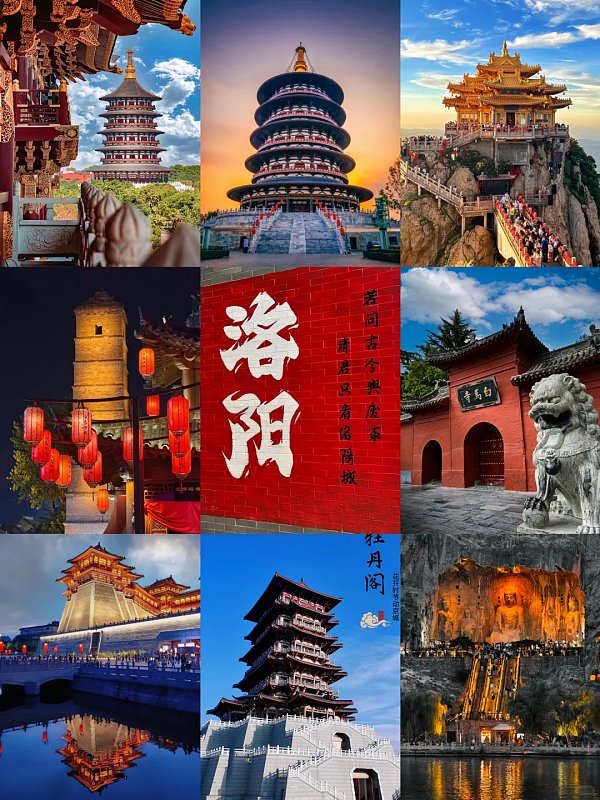
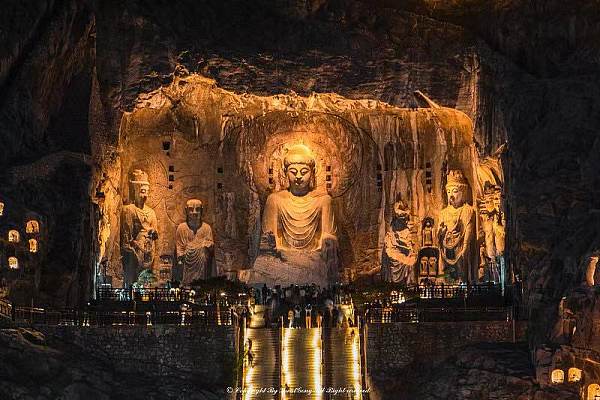
 Luoyang Longmen + Shaolin Kung Fu JourneyLongmen Grottoes are the imperial memories carved in stone, while Shaolin Temple embodies the Zen philosophy of martial arts life.
 Kaifeng One-Day Highlights TourKaifeng is an ancient city located in eastern Henan Province, China, renowned as the 'Capital of Eight Dynasties' and 'Living Northern Song Culture'.
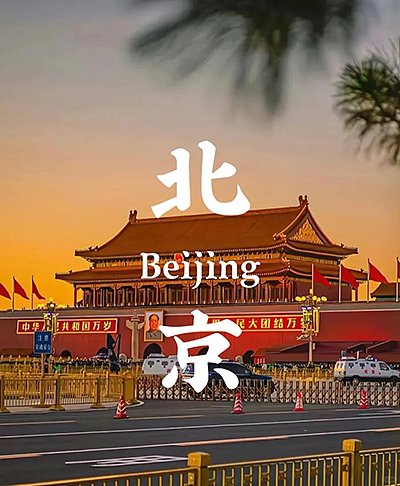
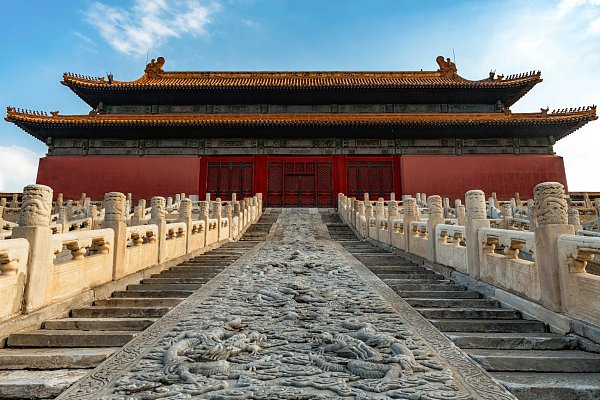
 Beijing Essence Two-Day TourBeijing is the window to history, where you can witness authentic historical relics like the Forbidden City, the Great Wall, and the Temple of Heaven. It is the cultural heartland—ride a rickshaw through the hutongs to experience traditional Beijing life, or visit Wangfujing and Sanlitun to immerse yourself in modern China's fashion and vibrancy. It is also a foodie's paradise, offering Peking duck and street snacks that rival imperial cuisine, satisfying every palate.
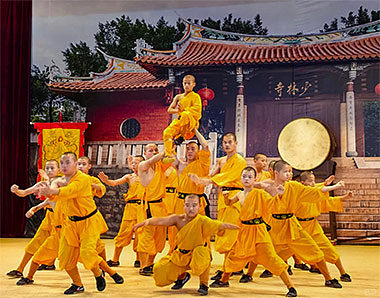
 The Shaolin Kung Fu JourneyShaolin Temple is the ancestral home of Chinese Zen Buddhism and the birthplace of martial arts worldwide, renowned for its 'Zen and Martial Unity.' In a nutshell: Want to see where 'Chinese Kung Fu' comes from? Shaolin Temple is the place.
") Luoyang Essence One-Day Tour (Customized Tour, April Peony Viewing)Root-Seeking Journey · A Daydream Back to the Divine Capital: On this day, we are not just tourists, but also returning descendants of "Old Home Henan."
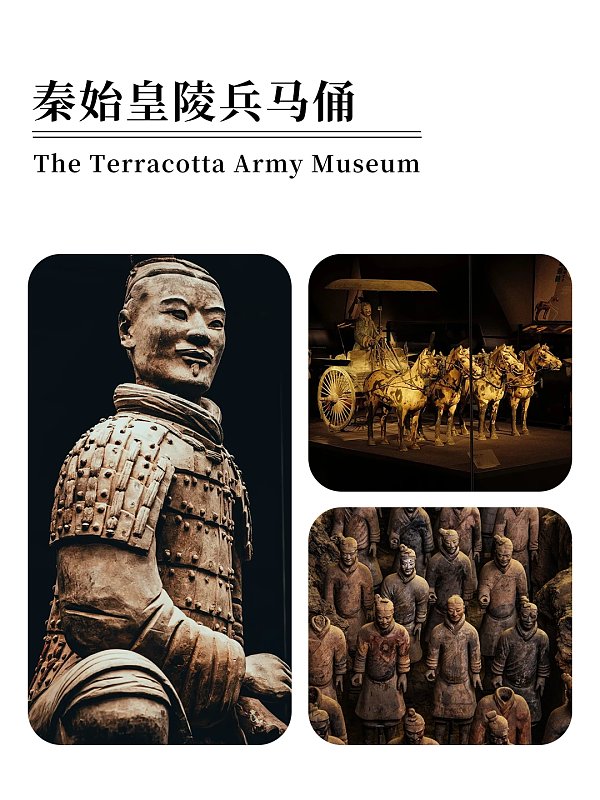
Luoyang Essence One-Day Tour (Customized Tour, April Peony Viewing)Root-Seeking Journey · A Daydream Back to the Divine Capital: On this day, we are not just tourists, but also returning descendants of "Old Home Henan."") Xi'an Highlights One-Day Tour (Customizable Itinerary)From the Terracotta Warriors to the Tang Paradise · Experience the essence of Chang'an in a day. On this day, we won't just be passing tourists, but true 'Chang'an guests.'
Xi'an Highlights One-Day Tour (Customizable Itinerary)From the Terracotta Warriors to the Tang Paradise · Experience the essence of Chang'an in a day. On this day, we won't just be passing tourists, but true 'Chang'an guests.'") Luoyang Leisure Two-Day Tour (Customizable Tour in April to View Peonies)To inquire about the rise and fall of ancient and modern affairs, just look at Luoyang City."
Luoyang Leisure Two-Day Tour (Customizable Tour in April to View Peonies)To inquire about the rise and fall of ancient and modern affairs, just look at Luoyang City."
Some say Luoyang is a city favored by time.
She is not the kind of stunning beauty that captivates at first glance. Her charm lies hidden—in the subtle smile of the Great Buddha of Longmen Grottoes, carved with devotion by artisans of Empress Wu Zetian's era. That smile, exuding compassion, predates the Mona Lisa by a thousand years. Chengdu RouteChengdu, hailed as the 'Land of Abundance' for leisure, is also the hometown of giant pandas, where you can get up close to admire the 'national treasures' in their natural charm. The city's core allure lies in its unique 'slow-living' aesthetic: the aroma-filled streets of hotpot skewers, the time-honored old teahouses, and the inclusive atmosphere that perfectly blends modern fashion with the hustle and bustle of urban life, making visitors reluctant to leave.
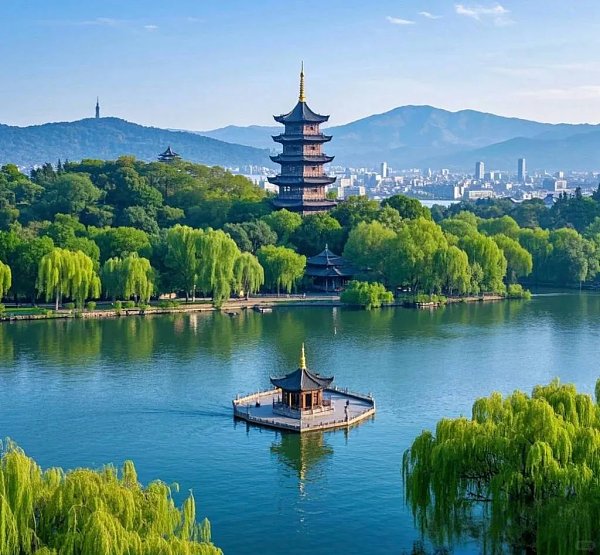
 Hangzhou RouteHangzhou is known as 'Heaven on Earth,' a perfect blend of traditional Jiangnan charm and modern technology. The magic of Hangzhou lies in the fact that one moment you can be listening to the bell chimes of a thousand-year-old temple, and the next, you can be sipping premium coffee in a modern shopping mall.
 Family-friendly travel itinerary 2Standing at the 'center of the world,' deepen the knowledge from books and broaden the horizons through travel.
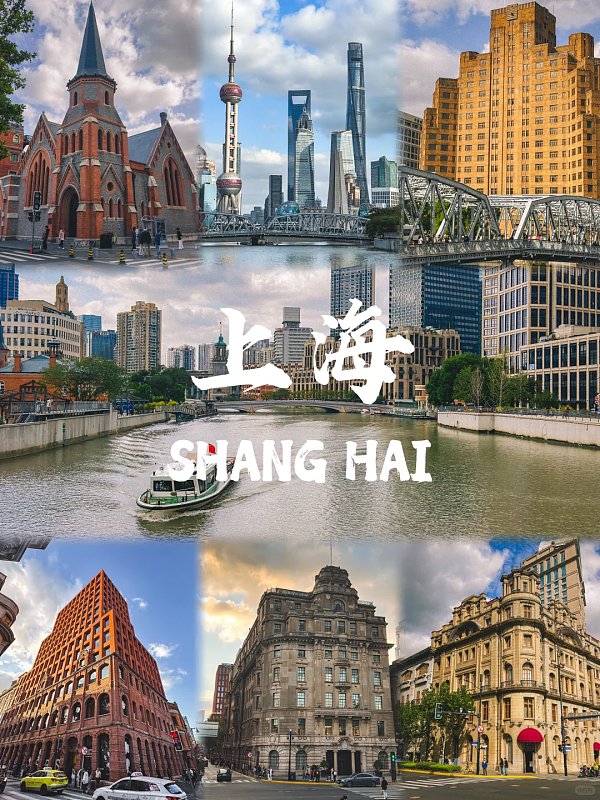
 Shanghai Research Summer CampShanghai is China's economic, financial, trade, and shipping hub, a cosmopolitan metropolis that blends modern prosperity with profound historical heritage. Here, you can find both the century-old charm of the Bund and the lively atmosphere of Old Town, as well as the skyscrapers of Lujiazui and world-class cultural tourism experiences.
 Study Tour Travel ItineraryGoing to Shanghai for a study tour is, simply put, a 'walking classroom,' with the core meaning being to closely connect textbook knowledge with real-life experiences.
 Beijing Essence Customized 5-Day Pure Play TourBeijing Essence 5-Day Pure Play Customized Tour, with private car transfers to visit world cultural heritage sites such as the Forbidden City, the Great Wall, and Tiananmen Square. Experience Hutong culture, enjoy a shopping-free itinerary, and benefit from multilingual guide services for a private and exclusive travel experience.
 Shanghai + Suzhou + Wuzhen 6-Day Custom TourImmersive Experience of Jiangnan's Scenic Beauty~
") 4 Days & 3 Nights Customized Tour in Luoyang (Peony Viewing Available in April)This city, known as the 'Ancient Capital of Thirteen Dynasties' and the 'Divine Capital', is engraved with the historical and cultural imprint of the 'Earliest China'.
4 Days & 3 Nights Customized Tour in Luoyang (Peony Viewing Available in April)This city, known as the 'Ancient Capital of Thirteen Dynasties' and the 'Divine Capital', is engraved with the historical and cultural imprint of the 'Earliest China'.
"Only the peony is truly the nation's beauty, blooming in season to move the capital." In 1982, Luoyang designated the peony as its city flower, and every April, it hosts the China Luoyang Peony Culture Festival.
Symbolic meaning: The king of flowers, representing wealth, prosperity, and auspiciousness. Xi'an 5-Day In-Depth TourThe ancient capital of thirteen dynasties, one of the world's four great ancient capitals, the starting point of the Silk Road, and the ancestral home of 'Glorious Tang Chang'an' in the hearts of overseas Chinese.
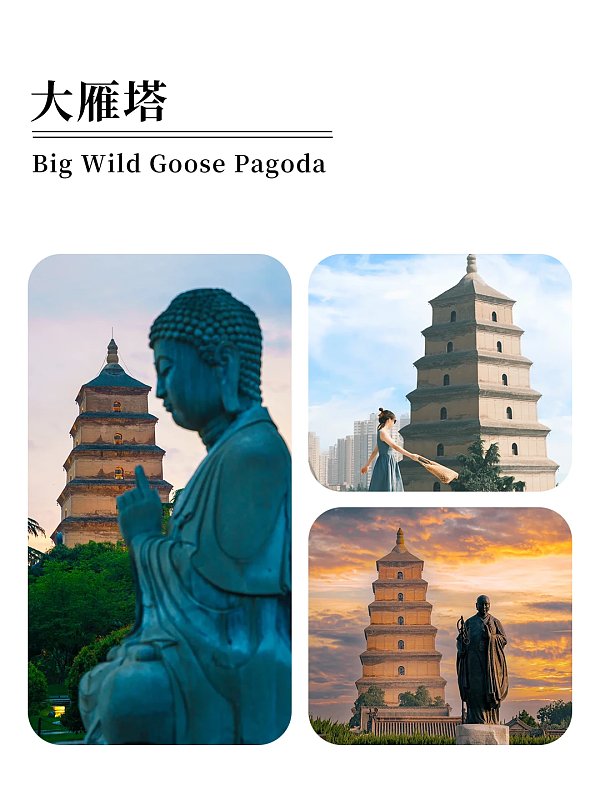
Here lies the Eighth Wonder of the World—the Terracotta Army, China's best-preserved Ming Dynasty city wall, the Great Wild Goose Pagoda where Xuanzang translated Buddhist scriptures, and the dreamlike Tang Dynasty Ever-Bright City at night.