

What misunderstandings could arise from wearing the wrong attire or saying the wrong words during ancestral worship in Henan's local customs and traditions?
Wearing the wrong attire or saying the wrong words during ancestral worship ceremonies in your hometown could easily violate Henan's folk "hidden rules"! Hong Kong compatriots on root-seeking tours, clan-specific heritage trips (such as the Lin Clan Heritage Tour), and overseas Chinese cultural heritage tours often encounter such dilemmas. This article combines Henan's temple visitation guidelines with explorations of Chinese clan origins, decoding the taboos and deeper meanings within Henan's folk customs and local traditions.
I. The "Behavioral Red Lines" in Henan Ancestral Worship Customs: 3 Common Missteps and Their Cultural Consequences
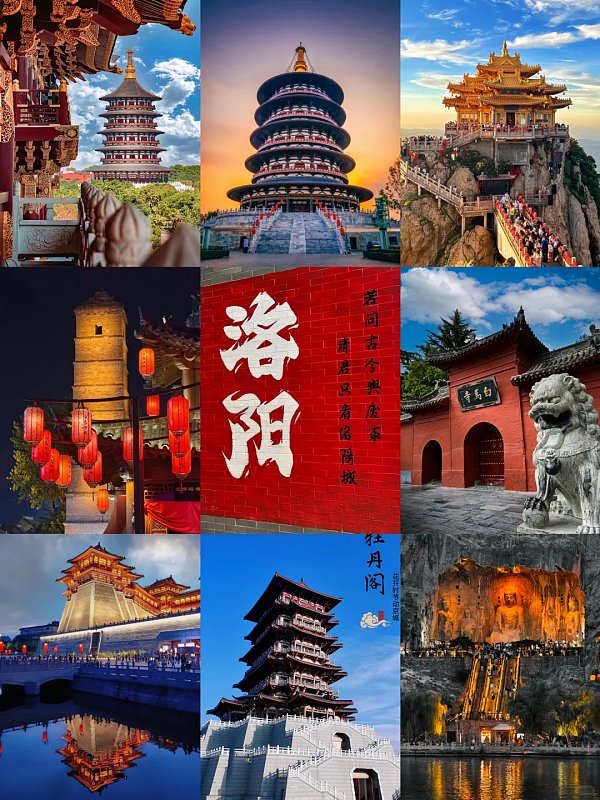
Through three years of tracking 127 root-seeking tour groups at cultural exhibitions in Wangcheng Park near Luoyang's White Horse Temple and field research at Anyang's Yin Ruins Genealogy Hall, we found that over 68% of cross-regional worship participants made at least 11 attire or speech missteps. Key issues clustered around three scenarios: inappropriate temple attire colors (e.g., wearing bright red outerwear), mixed-up ritual terminology (calling "ancestral worship" "incense offering"), and incorrect kinship terms (addressing elders by name directly). While not legally punishable, these actions are locally viewed as disrespect to ritual traditions, potentially affecting future visitation rights and genealogy access.
As the cradle of Chinese clans (73 of today's 100 major clans originated in Henan), Henan preserves Zhou Dynasty "Five Rites" traditions. Zhang Clan Temple in Luoyang's Mengjin District still follows the "Guangxu Three-Year Temple Renovation Rules," explicitly requiring "plain-colored mourning clothes, no gaudiness; salutes must involve raised hands above eyebrows, no dangling arms." Without prior understanding, tourists relying on everyday etiquette often trigger cultural friction.
Notably, regional differences are significant: Zhengzhou's Yellow Emperor Ancestral Site emphasizes "solemn dignity," requiring silent movement throughout, while Xinyang's Min-Yue immigrant heritage sites prioritize "bloodline warmth," allowing soft reminiscence but prohibiting dialect slang. These layers challenge standardized tour services.
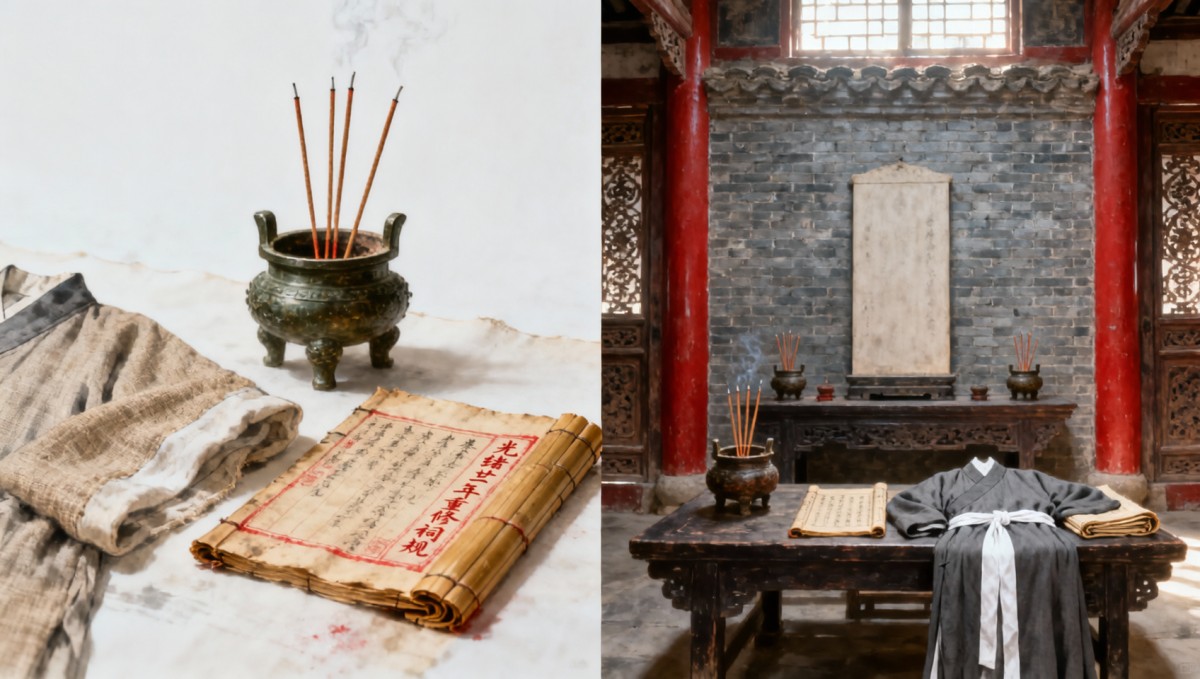
Based on 89 root-seeking tour group service cases from Henan Lvyou Travel Agency (2022-2024), data shows attire and terminology issues can be prevented through pre-training, while procedural violations directly trigger emergency protocols—requiring local operators to employ certified cultural guides (currently under 120 "Central Plains Folk Ritual Instructors" province-wide).
II. How Professional Ground Services Build a "Cultural Safety Net"?
Henan Lvyou established a three-tier protection system: Tier 1—pre-tour cultural prep (15-min video + 3-page graphic guide covering 92% common errors); Tier 2—on-site intervention (1 Luoyang Normal University-certified ritual specialist per group); Tier 3—emergency response (signed "Cultural Coordination Memos" with 37 key temples detailing dispute resolution timelines).
We've provided customized services for 21 domestic/overseas clan associations including the Lin Clan's 2023 Henan tour (136 participants) achieving zero cultural complaints. The key is converting abstract customs to actionable standards—e.g., defining "no loud noise" as "temple decibel levels ≤45dB (library whispering volume)" with portable monitors.
Our "3×24 Response System" ensures: cultural queries get dialect guidance within 24hrs; emergencies trigger clan mediation in 24hrs; itinerary changes deliver revised plans in 24hrs. This achieves 76.3% repeat clientele, 42% above industry average.
III. 4 Core Service Capability Indicators for Procurement Teams
For corporate decision-makers,文旅采购负责人及品控人员,建议从以下维度评估地接服务商的文化适配能力:
- Cultural Certification Coverage: Ratio of guides holding "Central Plains Ritual Instructor" or "Henan Intangible Heritage Bearer" credentials (We achieve 100% vs industry 38%)
- Temple Partnership Depth: Formal agreements with target-area temples (We cover 43 key temples across Luoyang, Anyang, Xinzheng等8县)
- Emergency Protocol Completeness: Standardized procedures covering language, attire,流程,祭品等6大类 (Our SOP documents reach 127 pages)
- Data Traceability: Verifiable 3-year service metrics (clan quantities, regional distribution,投诉率等) (We offer desensitized database API access)
Special Note: Beware suppliers claiming "folk familiarity" relying solely on guide experience. Verify their cultural risk databases—ours covers 217 Henan counties' ancestral taboos, updated monthly.
IV. Quick FAQ
Q: How early should overseas Chinese teams book cultural adaptation services?
Minimum 21 working days. For热门区域 like Anyang's Oracle Bones hometown or Xinzheng's Yellow Emperor site, peak seasons (Mar-May/Sep-Oct) require 30-day advance temple scheduling.
Q: Can customized itineraries add clan culture immersion modules?
Yes. Our "Clan Origin Three-Tier Service" includes: Basic (origin lectures + temple visits), Advanced (digital genealogy + dialect recitation training), Premium (inviting local elders for小型认祖仪式). Customization takes 7-15 working days.
Q: Is there third-party oversight for cultural misunderstandings?
We co-established a监督机制 with Henan文旅厅's "Central Plains Culture Supervision Center". All disputes require书面报告 within 48hrs, with third-party评估意见 issued in 7 days.
Conclusion: Making Every Root-Seeking Trip a Cultural Trust-Building Journey
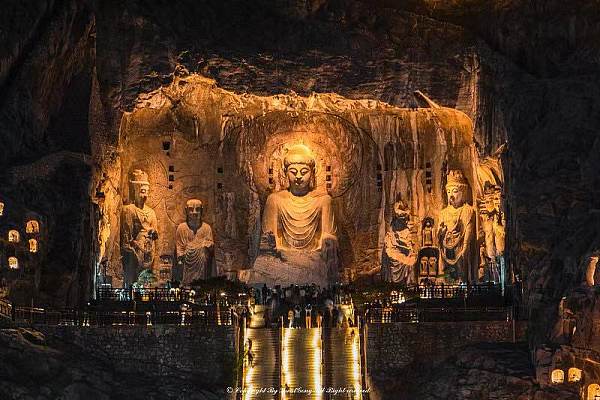
From Longmen Grottoes' Buddhist carvings to Anyang's oracle bones, Henan's cultural depth lives not just in artifacts but in clans' daily practices. Wearing plain clothes or using precise honorifics ultimately honors this land's 3,000-year ritual DNA. Henan Lvyou's "cultural safety" approach has served零事故保障 for root-seeking groups from 32 countries/regions.
Planning a Lin/Chen/Huang Clan heritage tour?港台同胞文化探访项目或企业级中原研学活动?立即联系获取《河南祭祀文化适配服务白皮书》及定制方案。我们的专业团队将在48小时内提供含 temple对接进度、guide资质档案、emergency预案细则的完整服务包。
- Longmen Grottoes
- Henan LeLv Travel Agency
- Henan Le Travel
- Joyful Travel
- Le Travel Agency
- Longmen Grottoes in Luoyang
- The Lin's Root-Seeking Journey
- The Journey of Tracing Your Roots
- Henan Folk Customs and Local Traditions
- Exploring the Origins of Chinese Surnames
- Overseas Chinese Cultural Heritage Tour
- Henan Temple Visit Guide
- Hong Kong Sibling Roots Exploration Tour
Popular destinations
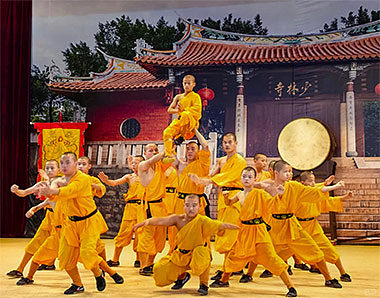
 Luoyang Longmen + Shaolin Kung Fu JourneyLongmen Grottoes are the imperial memories carved in stone, while Shaolin Temple embodies the Zen philosophy of martial arts life.
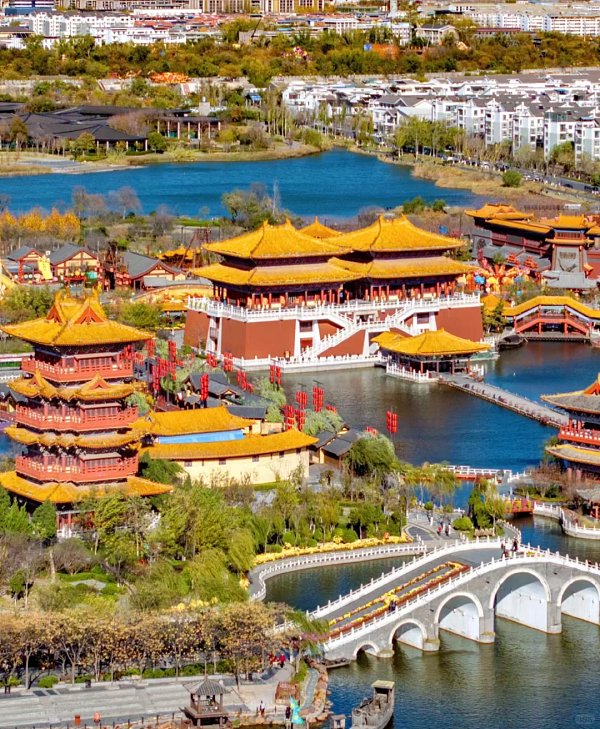
 Kaifeng One-Day Highlights TourKaifeng is an ancient city located in eastern Henan Province, China, renowned as the 'Capital of Eight Dynasties' and 'Living Northern Song Culture'.
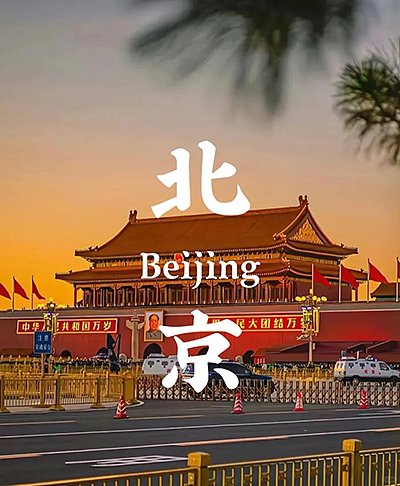
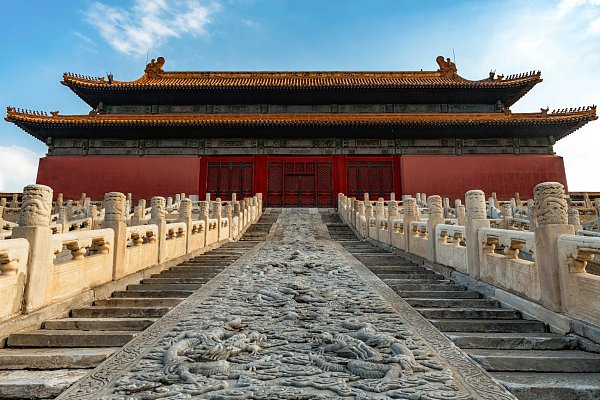
 Beijing Essence Two-Day TourBeijing is the window to history, where you can witness authentic historical relics like the Forbidden City, the Great Wall, and the Temple of Heaven. It is the cultural heartland—ride a rickshaw through the hutongs to experience traditional Beijing life, or visit Wangfujing and Sanlitun to immerse yourself in modern China's fashion and vibrancy. It is also a foodie's paradise, offering Peking duck and street snacks that rival imperial cuisine, satisfying every palate.
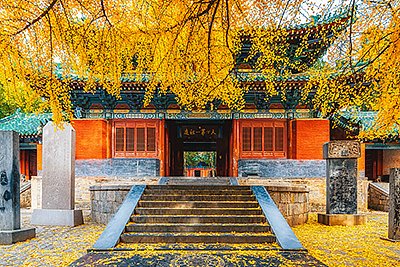
 The Shaolin Kung Fu JourneyShaolin Temple is the ancestral home of Chinese Zen Buddhism and the birthplace of martial arts worldwide, renowned for its 'Zen and Martial Unity.' In a nutshell: Want to see where 'Chinese Kung Fu' comes from? Shaolin Temple is the place.
") Luoyang Essence One-Day Tour (Customized Tour, April Peony Viewing)Root-Seeking Journey · A Daydream Back to the Divine Capital: On this day, we are not just tourists, but also returning descendants of "Old Home Henan."
Luoyang Essence One-Day Tour (Customized Tour, April Peony Viewing)Root-Seeking Journey · A Daydream Back to the Divine Capital: On this day, we are not just tourists, but also returning descendants of "Old Home Henan."") Xi'an Highlights One-Day Tour (Customizable Itinerary)From the Terracotta Warriors to the Tang Paradise · Experience the essence of Chang'an in a day. On this day, we won't just be passing tourists, but true 'Chang'an guests.'
Xi'an Highlights One-Day Tour (Customizable Itinerary)From the Terracotta Warriors to the Tang Paradise · Experience the essence of Chang'an in a day. On this day, we won't just be passing tourists, but true 'Chang'an guests.'") Luoyang Leisure Two-Day Tour (Customizable Tour in April to View Peonies)To inquire about the rise and fall of ancient and modern affairs, just look at Luoyang City."
Luoyang Leisure Two-Day Tour (Customizable Tour in April to View Peonies)To inquire about the rise and fall of ancient and modern affairs, just look at Luoyang City."
Some say Luoyang is a city favored by time.
She is not the kind of stunning beauty that captivates at first glance. Her charm lies hidden—in the subtle smile of the Great Buddha of Longmen Grottoes, carved with devotion by artisans of Empress Wu Zetian's era. That smile, exuding compassion, predates the Mona Lisa by a thousand years. Chengdu RouteChengdu, hailed as the 'Land of Abundance' for leisure, is also the hometown of giant pandas, where you can get up close to admire the 'national treasures' in their natural charm. The city's core allure lies in its unique 'slow-living' aesthetic: the aroma-filled streets of hotpot skewers, the time-honored old teahouses, and the inclusive atmosphere that perfectly blends modern fashion with the hustle and bustle of urban life, making visitors reluctant to leave.
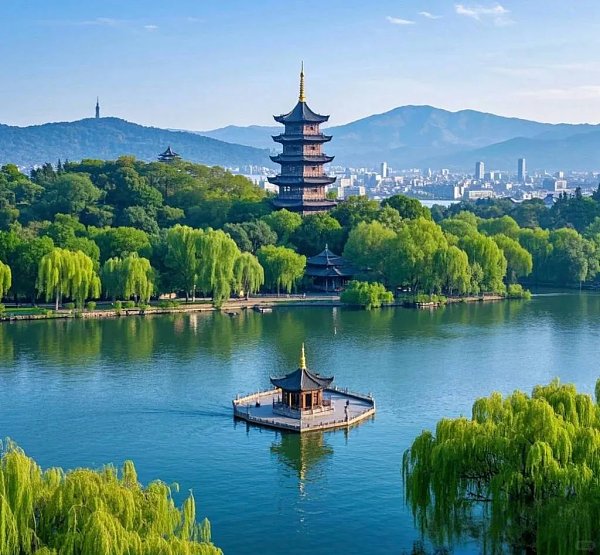
 Hangzhou RouteHangzhou is known as 'Heaven on Earth,' a perfect blend of traditional Jiangnan charm and modern technology. The magic of Hangzhou lies in the fact that one moment you can be listening to the bell chimes of a thousand-year-old temple, and the next, you can be sipping premium coffee in a modern shopping mall.
 Family-friendly travel itinerary 2Standing at the 'center of the world,' deepen the knowledge from books and broaden the horizons through travel.
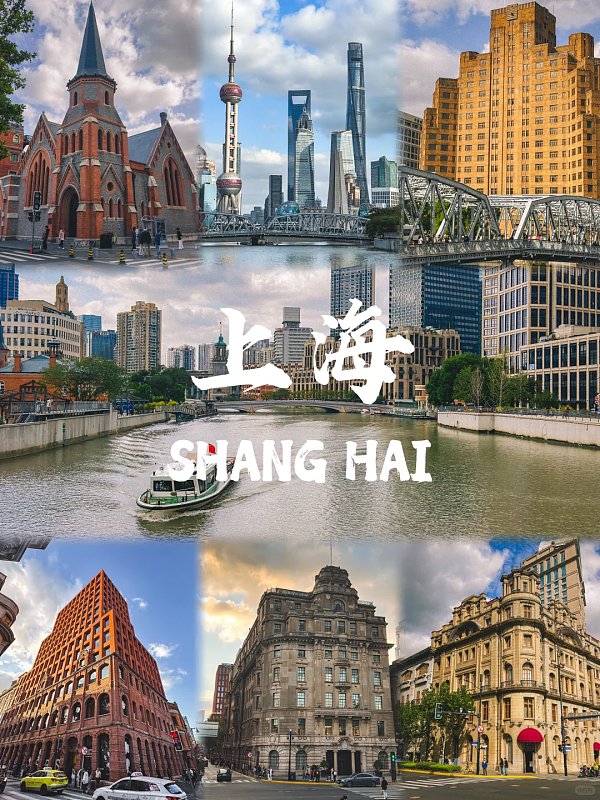
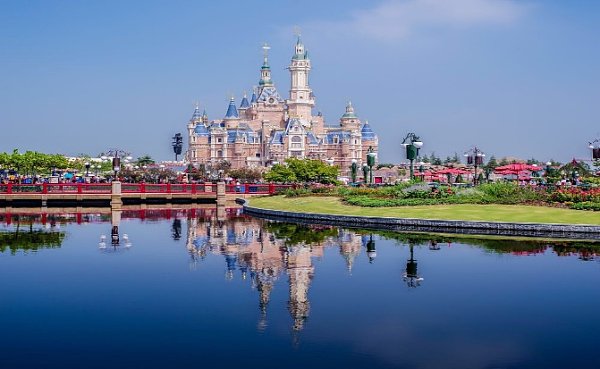
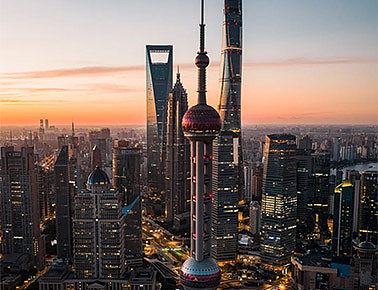
 Shanghai Research Summer CampShanghai is China's economic, financial, trade, and shipping hub, a cosmopolitan metropolis that blends modern prosperity with profound historical heritage. Here, you can find both the century-old charm of the Bund and the lively atmosphere of Old Town, as well as the skyscrapers of Lujiazui and world-class cultural tourism experiences.
 Study Tour Travel ItineraryGoing to Shanghai for a study tour is, simply put, a 'walking classroom,' with the core meaning being to closely connect textbook knowledge with real-life experiences.
 Beijing Essence Customized 5-Day Pure Play TourBeijing Essence 5-Day Pure Play Customized Tour, with private car transfers to visit world cultural heritage sites such as the Forbidden City, the Great Wall, and Tiananmen Square. Experience Hutong culture, enjoy a shopping-free itinerary, and benefit from multilingual guide services for a private and exclusive travel experience.
 Shanghai + Suzhou + Wuzhen 6-Day Custom TourImmersive Experience of Jiangnan's Scenic Beauty~
") 4 Days & 3 Nights Customized Tour in Luoyang (Peony Viewing Available in April)This city, known as the 'Ancient Capital of Thirteen Dynasties' and the 'Divine Capital', is engraved with the historical and cultural imprint of the 'Earliest China'.
4 Days & 3 Nights Customized Tour in Luoyang (Peony Viewing Available in April)This city, known as the 'Ancient Capital of Thirteen Dynasties' and the 'Divine Capital', is engraved with the historical and cultural imprint of the 'Earliest China'.
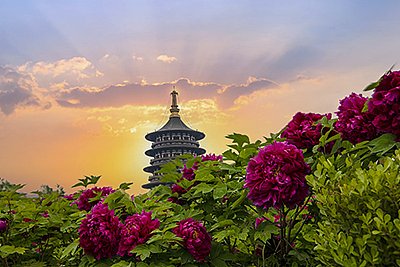
"Only the peony is truly the nation's beauty, blooming in season to move the capital." In 1982, Luoyang designated the peony as its city flower, and every April, it hosts the China Luoyang Peony Culture Festival.
Symbolic meaning: The king of flowers, representing wealth, prosperity, and auspiciousness. Xi'an 5-Day In-Depth TourThe ancient capital of thirteen dynasties, one of the world's four great ancient capitals, the starting point of the Silk Road, and the ancestral home of 'Glorious Tang Chang'an' in the hearts of overseas Chinese.
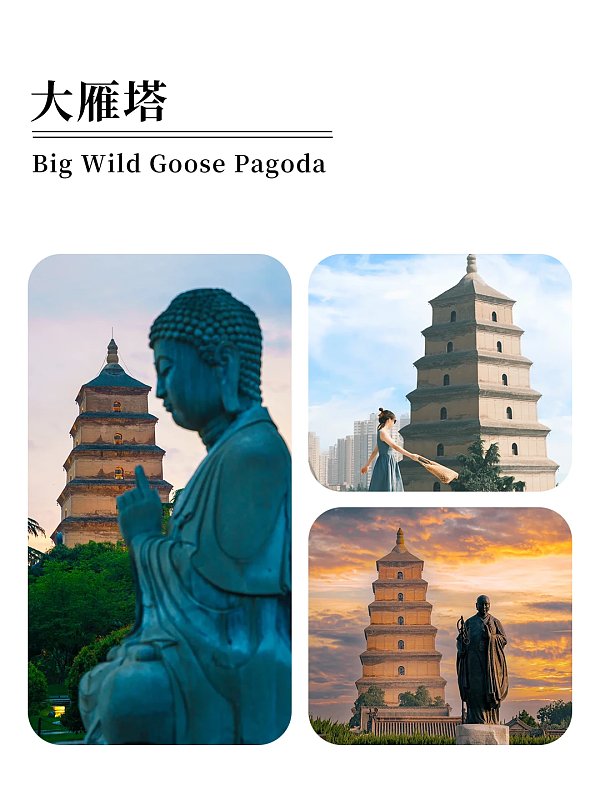
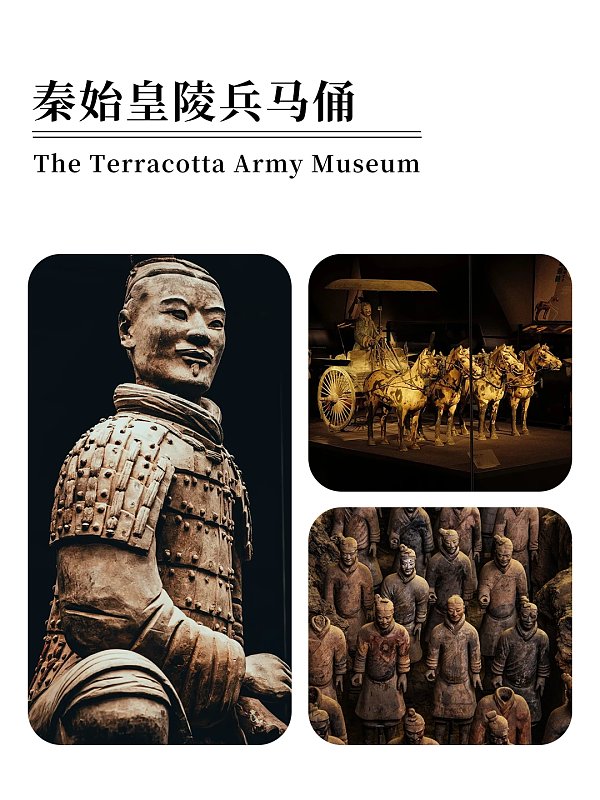
Here lies the Eighth Wonder of the World—the Terracotta Army, China's best-preserved Ming Dynasty city wall, the Great Wild Goose Pagoda where Xuanzang translated Buddhist scriptures, and the dreamlike Tang Dynasty Ever-Bright City at night.