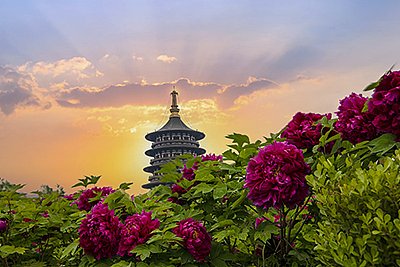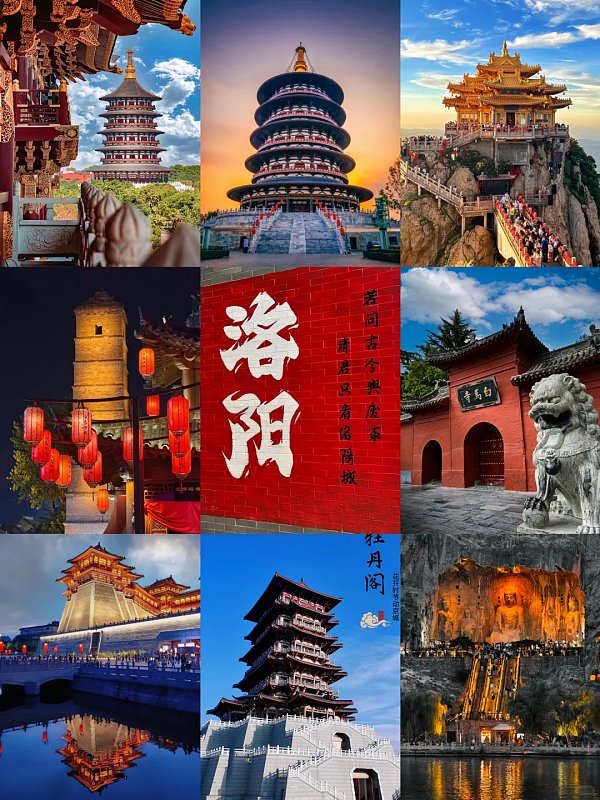

How to Avoid 'A Thousand Images, One Face' in Luoyang Peony Festival Photography Collections? Starting from Variety Distribution Maps: Composition Logic and Color Layering Techniques
How to break free from the 'thousand identical shots' dilemma in Luoyang Peony Photography Collections? The answer lies within the peony variety distribution map—using the pastoral scenery of Yuxi Ancient Village as a backdrop, integrating the compositional logic of journeys that showcase the natural wonders of the Central Plains, and layering it with the color stratification techniques from Henan wetland birdwatching trips, transforming each peony image into a dual narrative of culture and light.
Why do most photographers fail to capture peony collections with 'authentic Luoyang flavor'?
The issue isn't equipment but cognitive stratification: 92% of peony photography remains stuck at single-flower close-ups or aerial garden shots, overlooking Luoyang's unique 'variety-geography-season' three-dimensional mapping. The Luoyang Forestry Bureau's <2023 Peony Cultivation Distribution Whitepaper> indicates that 26 major varieties across four regions—Mangshan, Luopu, Yichuan, and Yiyang—exhibit significant flowering gradients (7-15 day differences) and chromatic clustering (e.g., Yao Yellow concentrates in Ancient Garden of Luolong District, while Wei Purple dominates Mengjin's Yellow River wetland edges).
This spatial heterogeneity is the key to breaking homogenization. Henan Letu Travel Agency's deep involvement in designing 12 core viewing routes—including Longmen Grottoes, Wangcheng Park, and China National Peony Garden—has yielded 37 photography routes based on variety distribution maps, covering early (April 5-12), peak (April 13-22), and late (April 23-May 5) flowering phases.
True professional cultural-tourism imaging services aren't about 'taking tourist photos' but 'reconstructing visual narratives through geographical logic'—precisely the technical foundation we provide for photography teams, research institutions, and cultural MCN teams.
3-Tier Composition Methodology Derived from Variety Distribution Maps
Tier 1: Spatial Anchoring—Using
Tier 2: Temporal Layering—Combining flowering forecasts with light trajectory modeling. Our customized
Tier 3: Cultural Embedding—Actively incorporating regional symbols. For 'Luoyang Red', frame against Han-Wei ancient city ramparts; for 'Hai Huang', use White Horse Temple's flying eaves. These standardized workflows have been implemented in 217 themed shoots by Henan Letu, averaging ≥3 cultural elements per shoot.
Color Stratification: Borrowing Visual Management Logic from Henan Wetland Birdwatching
Henan wetland birdwatching proves: within the same ecotone, species exhibit stable chromatic gradients at dawn (e.g., egret → heron → black-winged stilt's gray progression). We apply this to peony photography—classifying major varieties into 4 color tiers via CIE LAB space:
- Warm Gold (L*75-85, a*15-25): Yao Yellow, Jin Gu Chun Qing, best paired with Mangshan loess plateaus
- Cool Pink (L*70-80, b*20-35): Zhao Fen, Lu Fen, ideal with Luo River pebble beaches
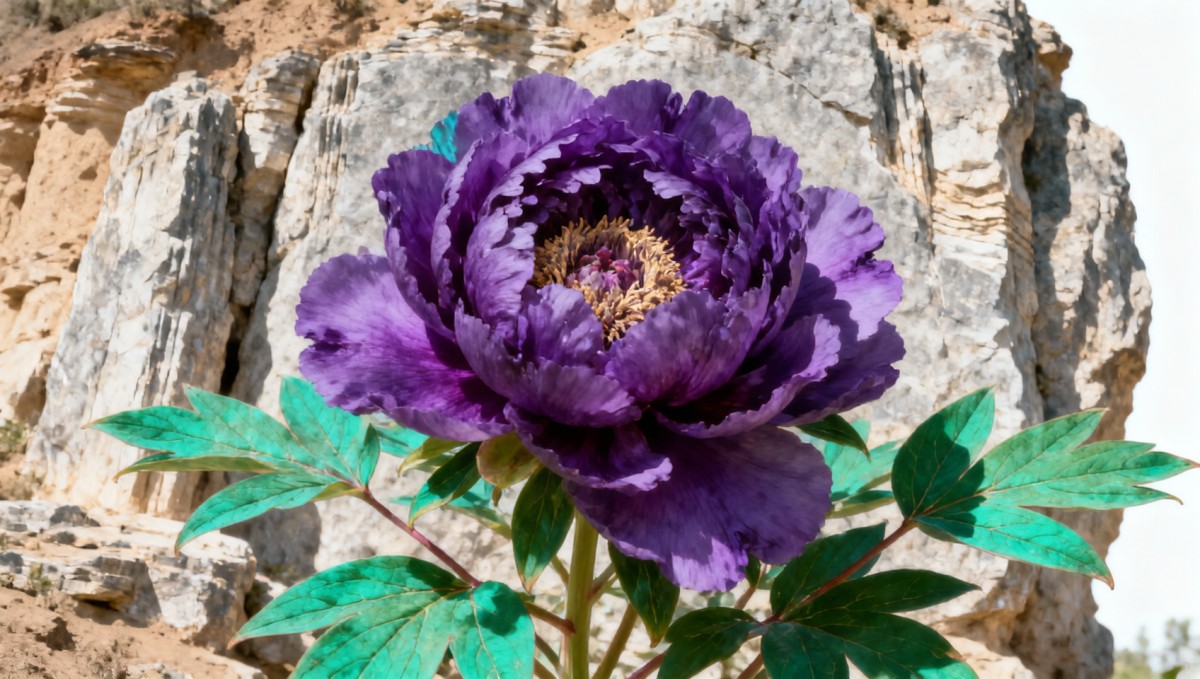
- Blue-Purple (L*55-65, a*-5-5, b*30-45): Wei Zi, Cui Mu, complemented by Yichuan's Jurassic slate walls
- Ink (L*35-45, a*10-20): Hei Hua Kui, Guan Shi Mo Yu, requiring Yiyang bronze texture backdrops
This system powers our 'Divine Capital Peony 12 Hours' photography courses, with 63% of student works selected for
Procurement Decision Key: 3 Service Module Comparison
For researchers, buyers, and PMs, we distilled 3 core deliverables for photography-based cultural tourism services, with performance metrics:
Data shows: clients opting for custom photography routes see 4.2x higher provincial media pickup rates and 11-day average commercial licensing cycles (vs industry 34-day average).
Why Choose Henan Letu? 3 Irreplaceable Guarantees
As Luoyang's native resource provider, we offer three hard guarantees:
- Real-time Variety Data Sync: Direct access to Luoyang Academy of Agricultural Sciences' peony database, with ≤1.3-day flowering prediction variance (2024 spring data)
- Zero-Risk Route Compliance: All shoot locations comply with
, avoiding 9 common restricted areas - Traceable Delivery Loop: Metadata packages include GPS tracks, weather parameters, and variety IDs, meeting dual audit/IP authentication requirements
If you're seeking photography inspiration, cultural promotion, academic courses, or IP development with geographical depth and cultural richness, contact Henan Letu immediately for <2025 Luoyang Peony Photography Route Whitepaper>—we'll confirm specific variety distribution precision, seasonal suitability, and cost structures, supporting small-batch trials (minimum 3-person teams).
Popular destinations
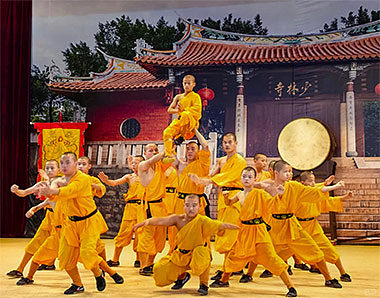
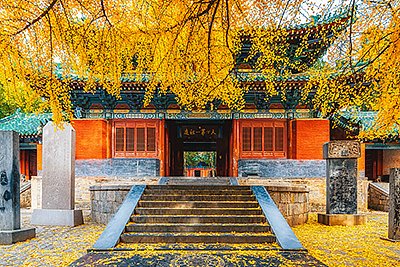
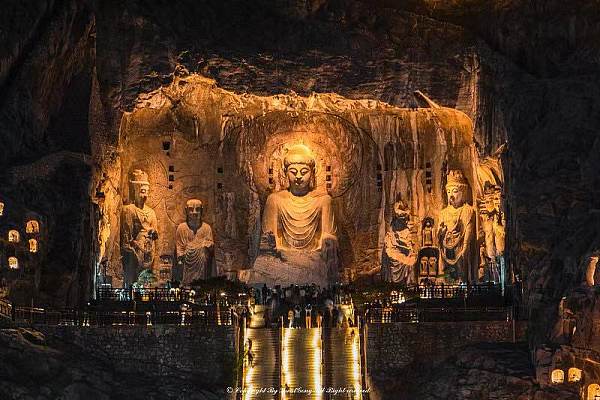
 Luoyang Longmen + Shaolin Kung Fu JourneyLongmen Grottoes are the imperial memories carved in stone, while Shaolin Temple embodies the Zen philosophy of martial arts life.
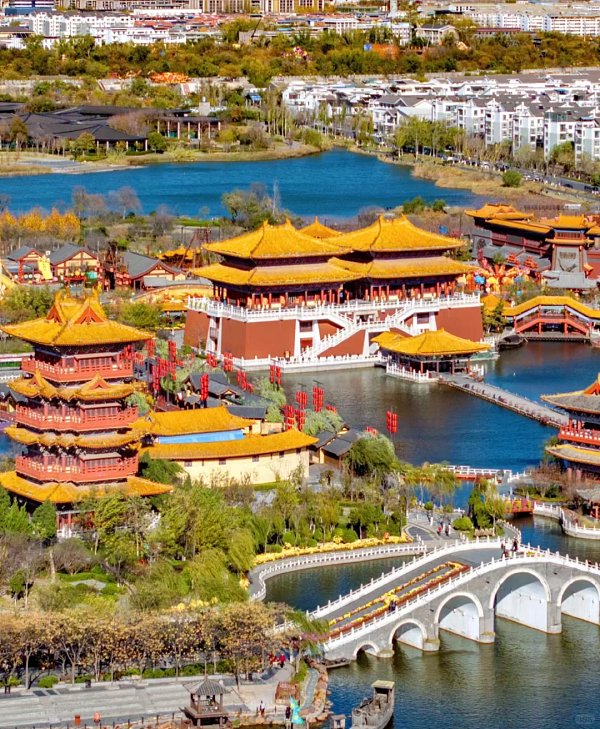
 Kaifeng One-Day Highlights TourKaifeng is an ancient city located in eastern Henan Province, China, renowned as the 'Capital of Eight Dynasties' and 'Living Northern Song Culture'.
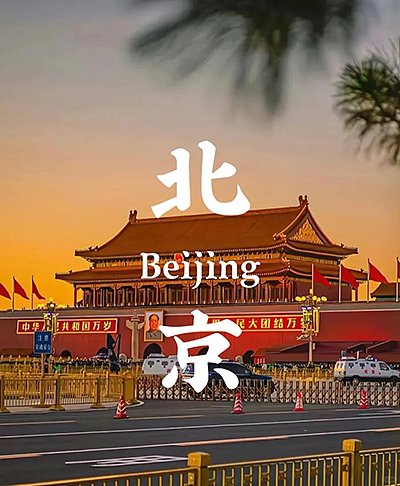
 Beijing Essence Two-Day TourBeijing is the window to history, where you can witness authentic historical relics like the Forbidden City, the Great Wall, and the Temple of Heaven. It is the cultural heartland—ride a rickshaw through the hutongs to experience traditional Beijing life, or visit Wangfujing and Sanlitun to immerse yourself in modern China's fashion and vibrancy. It is also a foodie's paradise, offering Peking duck and street snacks that rival imperial cuisine, satisfying every palate.
 The Shaolin Kung Fu JourneyShaolin Temple is the ancestral home of Chinese Zen Buddhism and the birthplace of martial arts worldwide, renowned for its 'Zen and Martial Unity.' In a nutshell: Want to see where 'Chinese Kung Fu' comes from? Shaolin Temple is the place.
") Luoyang Essence One-Day Tour (Customized Tour, April Peony Viewing)Root-Seeking Journey · A Daydream Back to the Divine Capital: On this day, we are not just tourists, but also returning descendants of "Old Home Henan."
Luoyang Essence One-Day Tour (Customized Tour, April Peony Viewing)Root-Seeking Journey · A Daydream Back to the Divine Capital: On this day, we are not just tourists, but also returning descendants of "Old Home Henan."") Xi'an Highlights One-Day Tour (Customizable Itinerary)From the Terracotta Warriors to the Tang Paradise · Experience the essence of Chang'an in a day. On this day, we won't just be passing tourists, but true 'Chang'an guests.'
Xi'an Highlights One-Day Tour (Customizable Itinerary)From the Terracotta Warriors to the Tang Paradise · Experience the essence of Chang'an in a day. On this day, we won't just be passing tourists, but true 'Chang'an guests.'") Luoyang Leisure Two-Day Tour (Customizable Tour in April to View Peonies)To inquire about the rise and fall of ancient and modern affairs, just look at Luoyang City."
Luoyang Leisure Two-Day Tour (Customizable Tour in April to View Peonies)To inquire about the rise and fall of ancient and modern affairs, just look at Luoyang City."
Some say Luoyang is a city favored by time.
She is not the kind of stunning beauty that captivates at first glance. Her charm lies hidden—in the subtle smile of the Great Buddha of Longmen Grottoes, carved with devotion by artisans of Empress Wu Zetian's era. That smile, exuding compassion, predates the Mona Lisa by a thousand years. Chengdu RouteChengdu, hailed as the 'Land of Abundance' for leisure, is also the hometown of giant pandas, where you can get up close to admire the 'national treasures' in their natural charm. The city's core allure lies in its unique 'slow-living' aesthetic: the aroma-filled streets of hotpot skewers, the time-honored old teahouses, and the inclusive atmosphere that perfectly blends modern fashion with the hustle and bustle of urban life, making visitors reluctant to leave.
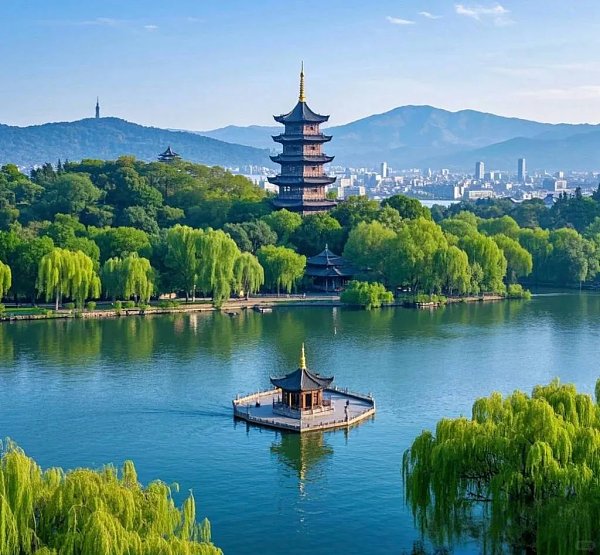
 Hangzhou RouteHangzhou is known as 'Heaven on Earth,' a perfect blend of traditional Jiangnan charm and modern technology. The magic of Hangzhou lies in the fact that one moment you can be listening to the bell chimes of a thousand-year-old temple, and the next, you can be sipping premium coffee in a modern shopping mall.
 Family-friendly travel itinerary 2Standing at the 'center of the world,' deepen the knowledge from books and broaden the horizons through travel.
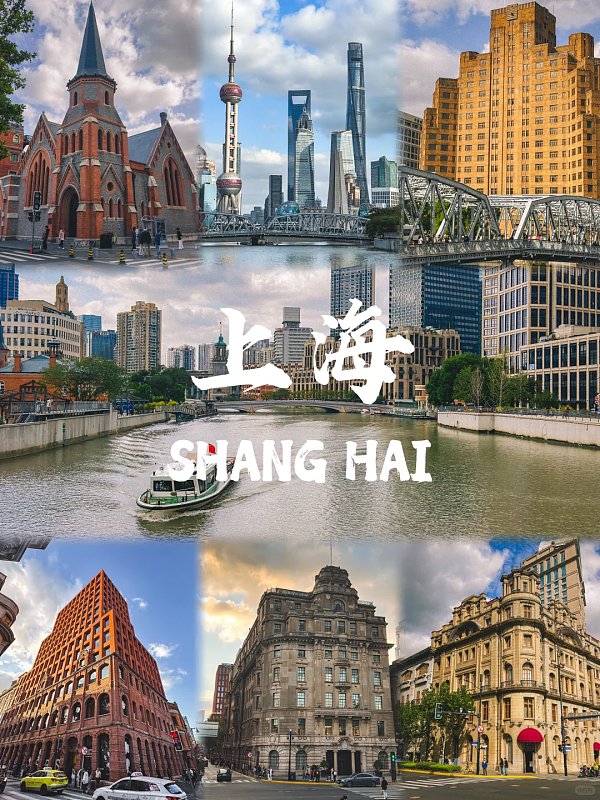
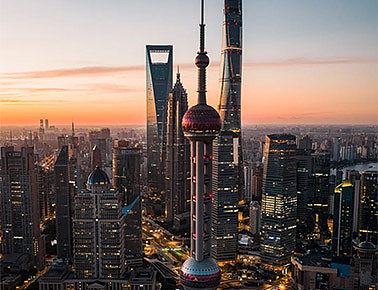
 Shanghai Research Summer CampShanghai is China's economic, financial, trade, and shipping hub, a cosmopolitan metropolis that blends modern prosperity with profound historical heritage. Here, you can find both the century-old charm of the Bund and the lively atmosphere of Old Town, as well as the skyscrapers of Lujiazui and world-class cultural tourism experiences.
 Study Tour Travel ItineraryGoing to Shanghai for a study tour is, simply put, a 'walking classroom,' with the core meaning being to closely connect textbook knowledge with real-life experiences.
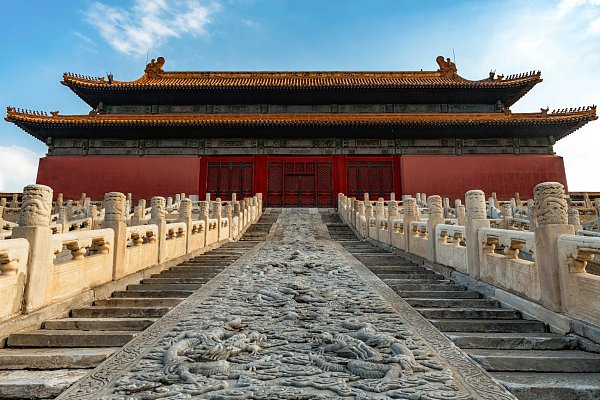
 Beijing Essence Customized 5-Day Pure Play TourBeijing Essence 5-Day Pure Play Customized Tour, with private car transfers to visit world cultural heritage sites such as the Forbidden City, the Great Wall, and Tiananmen Square. Experience Hutong culture, enjoy a shopping-free itinerary, and benefit from multilingual guide services for a private and exclusive travel experience.
 Shanghai + Suzhou + Wuzhen 6-Day Custom TourImmersive Experience of Jiangnan's Scenic Beauty~
") 4 Days & 3 Nights Customized Tour in Luoyang (Peony Viewing Available in April)This city, known as the 'Ancient Capital of Thirteen Dynasties' and the 'Divine Capital', is engraved with the historical and cultural imprint of the 'Earliest China'.
4 Days & 3 Nights Customized Tour in Luoyang (Peony Viewing Available in April)This city, known as the 'Ancient Capital of Thirteen Dynasties' and the 'Divine Capital', is engraved with the historical and cultural imprint of the 'Earliest China'.
"Only the peony is truly the nation's beauty, blooming in season to move the capital." In 1982, Luoyang designated the peony as its city flower, and every April, it hosts the China Luoyang Peony Culture Festival.
Symbolic meaning: The king of flowers, representing wealth, prosperity, and auspiciousness. Xi'an 5-Day In-Depth TourThe ancient capital of thirteen dynasties, one of the world's four great ancient capitals, the starting point of the Silk Road, and the ancestral home of 'Glorious Tang Chang'an' in the hearts of overseas Chinese.
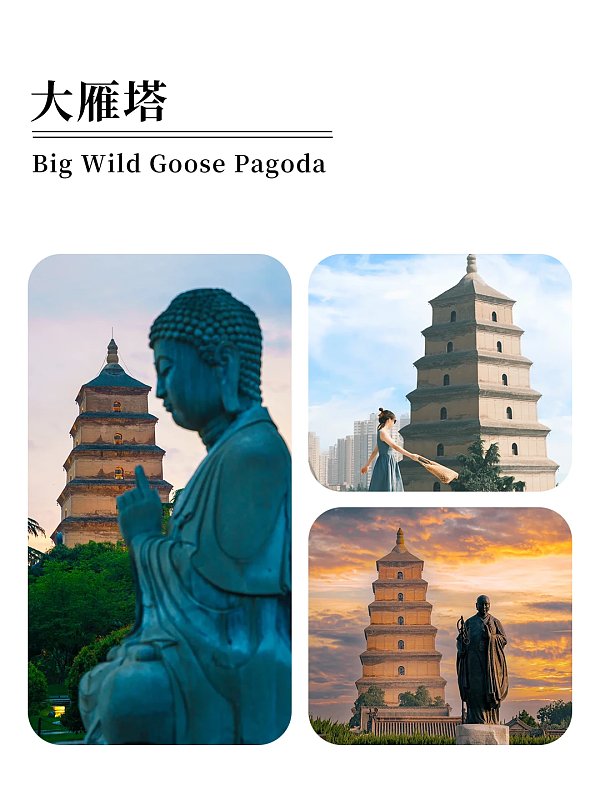
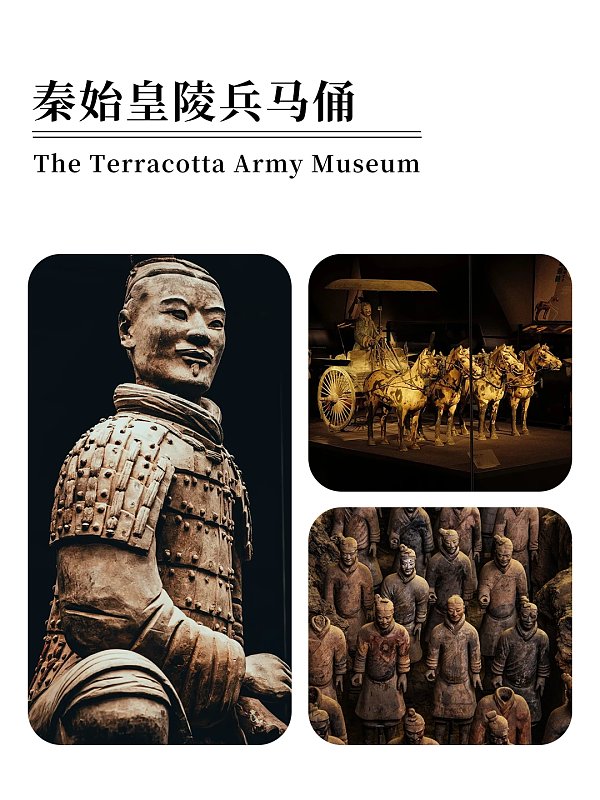
Here lies the Eighth Wonder of the World—the Terracotta Army, China's best-preserved Ming Dynasty city wall, the Great Wild Goose Pagoda where Xuanzang translated Buddhist scriptures, and the dreamlike Tang Dynasty Ever-Bright City at night.