



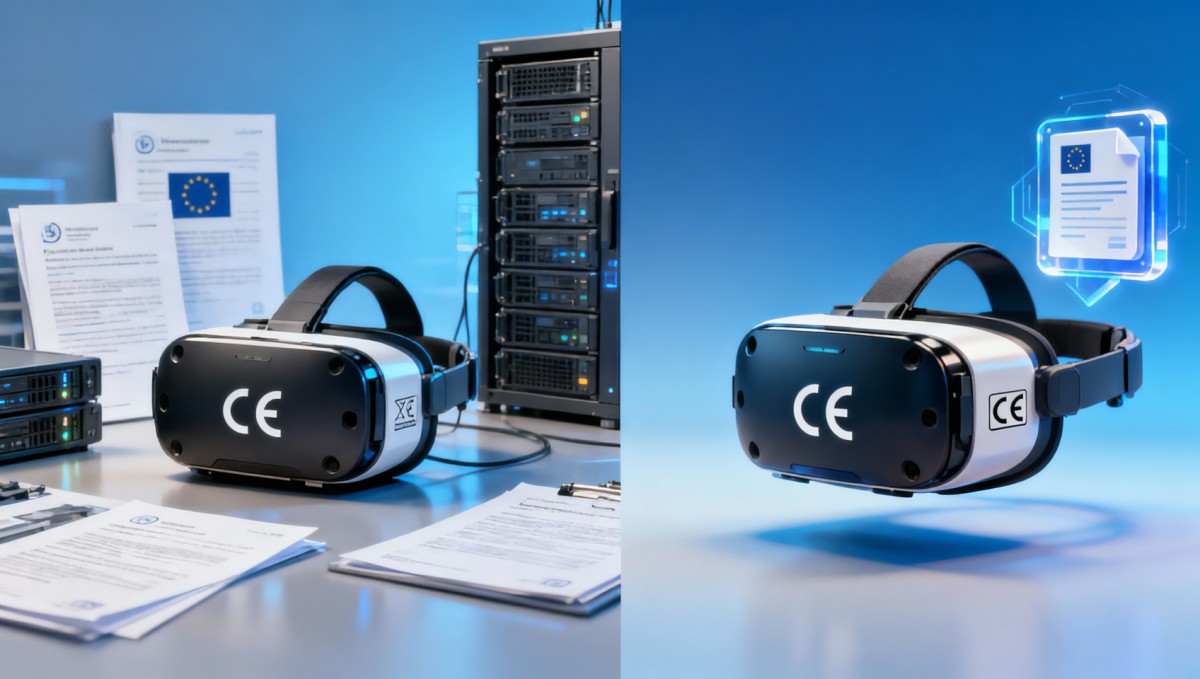
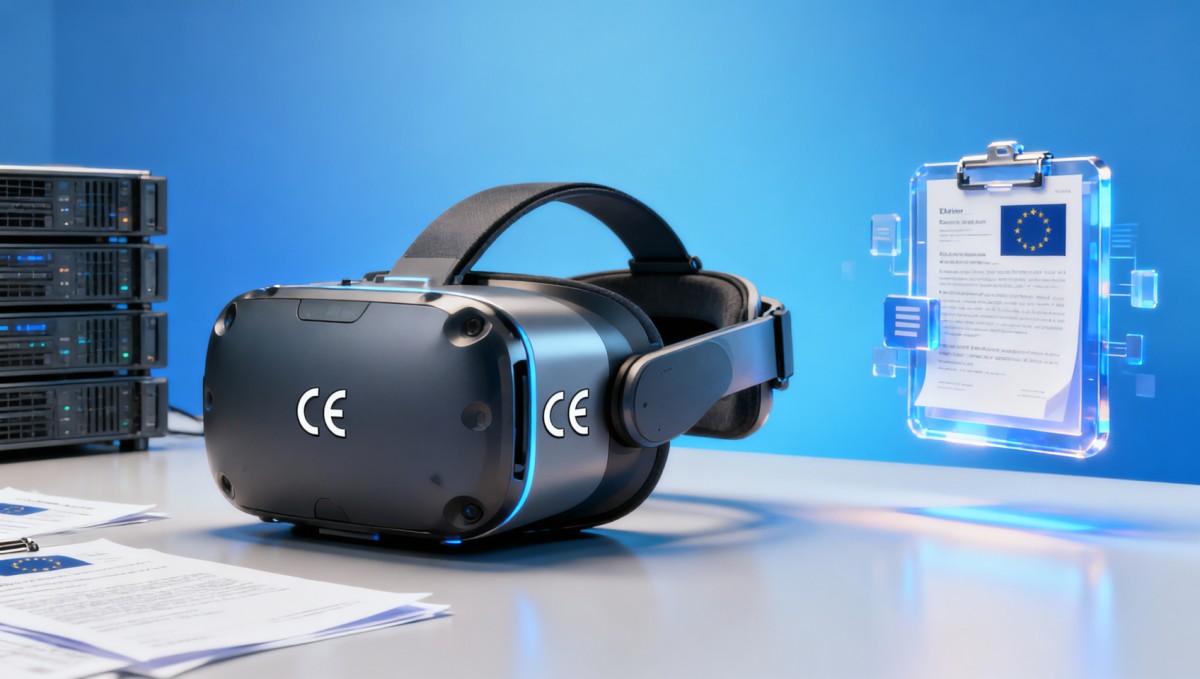
On April 7, 2026, the European Commission released the draft "Digital Cultural Services Security Framework," which for the first time explicitly includes immersive digital tourism experience equipment (including VR/AR navigation terminals, intelligent voice commentary hardware, etc.) within the mandatory scope of CE certification, requiring compliance by the first quarter of 2027. This new regulation directly impacts China's exports of smart tourism hardware, which account for 72% of the global market share. Relevant enterprises must pass three new tests: human factors engineering, data localization storage, and children's content classification. Manufacturers, exporters, and supply chain enterprises in the smart tourism hardware sector need to pay close attention.
Event Overview
On April 7, 2026, the European Commission issued the draft "Digital Cultural Services Security Framework," marking the first inclusion of immersive digital tourism experience equipment (including VR/AR navigation terminals, intelligent voice commentary hardware, etc.) in the mandatory scope of CE certification. The new regulations require products to pass three additional tests—human factors engineering, data localization storage, and children's content classification—and will take effect in the first quarter of 2027. Currently, the draft is in the public consultation phase, with potential adjustments to follow based on feedback.
Impact on Specific Industries
Smart Tourism Hardware Manufacturers
As the most directly affected group, Chinese smart tourism hardware manufacturers must reassess product design and production processes. The human factors engineering tests may involve equipment comfort and visual fatigue indicators, necessitating hardware design adjustments. Data localization requirements could increase server deployment costs, while children's content classification demands robust content review mechanisms.
Export Trading Enterprises
Exporters of smart tourism hardware to the EU must ensure products meet the new certification requirements to avoid customs clearance obstacles. Notably, CE certification cycles may lengthen, requiring advance shipment planning to mitigate contractual risks from certification delays.
Supply Chain Service Providers
Component suppliers may face updated technical specifications, such as optical modules needing adaptation to human factors engineering test standards. Industry-wide, upstream and downstream supply chains must enhance collaboration to ensure component compliance with end-product certification requirements.
Key Focus Areas and Immediate Actions for Enterprises
Priority Assessment of Compliance Gaps
Enterprises should immediately cross-check draft requirements to identify potential risks across the three test domains, particularly long-overlooked ergonomic design flaws. Third-party testing agencies can conduct preliminary evaluations to clarify technical improvement directions.
Establish Dynamic Monitoring Mechanisms
Given the draft's ongoing public consultation, final clauses may undergo adjustments. Companies are advised to assign specialists to track official EU document updates, focusing particularly on transitional arrangements and exemption clause revisions.
Pre-allocate Certification Resources
Analysis suggests potential certification bottlenecks before the 2027生效期. Leading enterprises should prioritize communication with EU Notified Bodies to reserve testing slots, while SMEs may collaborate with industry associations to seek batch testing discounts.
Editorial Perspective / Industry Observation
This regulation represents not just a technical barrier escalation but reflects the EU's systematic approach to digital cultural product oversight. It should be interpreted as a signaling event: human factors requirements may gradually extend to other consumer electronics, while data localization clauses could become templates for other regions. The industry must monitor whether cloud rendering, AI-guided tours, and derivative services will be纳入监管范围.
Conclusion
The expansion of CE certification scope marks a new合规阶段 for smart tourism hardware exports. For Chinese enterprises holding over 70% global market share, this presents both an opportunity to enhance product competitiveness and a challenge against trade barriers. The industry should conduct technical预研 based on the draft while maintaining sensitivity to regulatory细则变化.
Source Information
Core information derives from the European Commission's "Digital Cultural Services Security Framework" draft (COM(2026) 215 final) published on April 7, 2026. China's export share data references International Data Corporation's (IDC) 2025 annual report. Specific implementation rules of the draft require further observation.
Your 1:1 travel consultant will respond within 1 business day
How to plan your trip
- How to Choose the Best Henan Travel Route for Your First Visit
- Is a Kung Fu cultural experience tour suitable for families with children?
- What to eat in Luoyang on your first visit
- Where should you start to understand Chinese history in Henan?
- Summer Palace tour route: Enter via the East Palace Gate or the North Palace Gate? Different visitor groups
Monthly travel guide
- What to wear when going out in Zhengzhou in April
- What is the best month to visit Zhangjiajie? July brings scorching sun, while October has fewer crowds and beautiful scenery, but the temperature difference is so large that you need to bring clothes for two seasons.
- Luoyang Peony Festival Tourism: Besides Wangcheng Park, which lesser-known gardens have fewer crowds, dense blooms, and free admission?
- The best time to visit Shaolin Temple: Avoid peak tourist seasons while experiencing 3 golden cultural periods—morning bells, evening drums, and meditation.
- Shaolin Temple Authentic Zen Meditation Experience: Time allocation and common beginner mistakes for seated incense, walking incense, and tea meditation
- Is the private Shaolin Kung Fu course worth it? Hourly rate, teaching qualifications, and whether frame-by-frame analysis of action videos is available?
- Why are more and more overseas Chinese choosing Anyang Yin Ruins over Luoyang for cultural heritage tours? Real motive analysis
- Does Henan's traditional Spring Festival temple fair still preserve the 'Shehuo Stilts Walking' tradition? The 3 most authentic temple fair locations in 2026
- Luoyang Night Market Must-Eat List: From Xigong Snack Street to Yingtianmen Night Market, Which Stalls Are Still Drawing Lines in 2026?
- What's the difference between Luoyang Tang costume experience and Hanfu experience? Tang Dynasty round-neck robe vs. curved-hem deep garment wearing experience comparison
- Recommended Hanfu Experience Stores in Luoyang: One-stop services including costume rental, makeup, and photography. Which stores offer free cultural explanations?
- Can you really touch the pottery jars used by Han Dynasty merchants on the Silk Road Trade History Experience Tour?
Popular destinations
- China's Henan Province 144-Hour Visa-Free Transit Policy in 2026: Latest Regulations & In-Depth Travel Strategies
- Will China’s 2026 inbound policy affect travel plans to Henan
- Will the list of Chinese cities eligible for visa-free entry for 144 hours change in 2026?
- Before linking your passport to Alipay, confirm these things first
- Booked Forbidden City tickets but can't get in? 3 common reasons: ID type, facial recognition, and turnstile access failure
Why choose us

High cost-performance and transparent experience
Offer astonishing low prices without hidden tourism traps, enabling travelers to explore at lower costs while avoiding unnecessary spending loopholes, ensuring transparent consumption.

Personalization and dedicated service
Support 100% free customization, paired with one-on-one expert service, crafting exclusive itineraries based on travelers' specific needs, while providing professional guidance to enhance the personalization and professionalism of the journey.

Premium itinerary planning
Compact yet rich itineraries allow travelers to experience more within limited time; simultaneously, carefully selected hotels in prime locations provide convenient lodging conditions, overall enhancing travel comfort and experience.