



Travel Guide
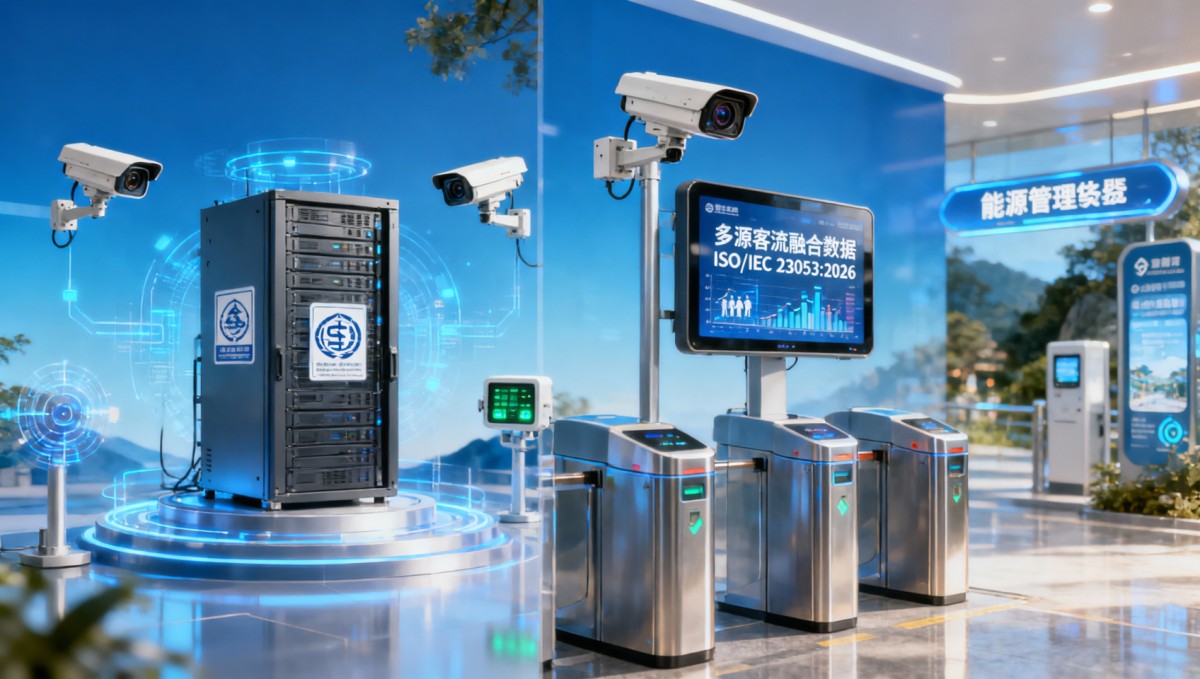
The International Organization for Standardization (ISO) officially implemented the ISO/IEC 23053:2026 "General Requirements for Smart Scenic Area Information Systems" on April 5, 2026. This standard incorporates six technical clauses proposed by China under 'Multi-source Visitor Flow Fusion Perception' into its core specifications. Global scenic area operators, system integrators, and equipment suppliers must adjust their procurement and acceptance processes according to the new standard, with Chinese smart tourism enterprises having already completed product certification adaptations. The implementation of this standard will reshape the technical thresholds of the smart scenic area industry chain, directly impacting system integration, equipment manufacturing, and scenic area operations in segmented sectors.
Event Overview
On April 5, 2026, the ISO/IEC 23053:2026 standard came into effect, establishing the technical framework for smart scenic area information systems. The standard document highlights that China-led key technologies, such as visitor flow dynamic analysis algorithms and energy management interface protocols, are listed as mandatory clauses. Currently, leading domestic companies like Zhongzhi You and Shenda Intelligence have passed standard compliance certification.
Impact on Key Sub-sectors
Smart Scenic Area System Integrators
Software architectures must be redesigned to accommodate Chinese technical protocols specified in the standard. Integrators relying on European/American solutions face system transformation pressures, with project delivery cycles potentially extending by 15%-20% from an industry perspective.
IoT Equipment Manufacturers
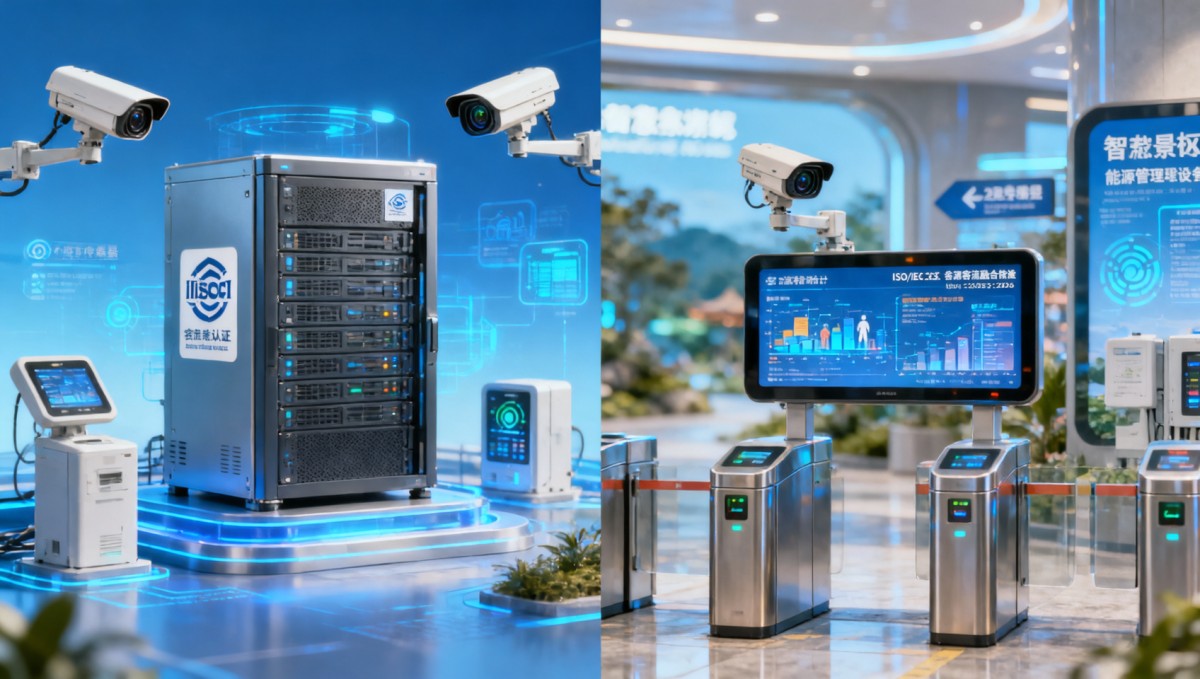
Hardware like visitor statistics cameras and environmental sensors require additional standard-compliant data output interfaces. More critically, firmware upgrade costs and component compatibility issues demand immediate attention.
International Scenic Area Operators
Procurement tender documents must incorporate updated technical clauses. Observations suggest regions with high Chinese solution adoption rates, such as Southeast Asia and the Middle East, may implement the new regulations earlier.
Key Focus Areas for Enterprises
Technical Compliance Window
While allowing an 18-month transition period, leading operators like Disney Europe already require compliance by Q4 2026. A pragmatic interpretation suggests actual implementation timelines will exceed official schedules.
Certification Resource Competition
Only five global laboratories currently possess standard testing qualifications. Equipment manufacturers are advised to schedule preemptive certification slots to avoid product launch delays.
Supply Chain Reevaluation
Enterprises using non-Chinese technology routes must assess secondary suppliers' migration capabilities, prioritizing interface protocol compatibility audits.
Industry Perspective
Analytically, this standard marks China's transition from 'market application' to 'rule-making' in smart scenic area technologies. Current focus should address regional implementation variances—for instance, potential GDPR-aligned data clauses in the EU versus simplified energy management modules in Eastern countries.
Conclusion
As the first international smart scenic area standard with China's deep participation, ISO/IEC 23053:2026 will reshape the industry's technological ecosystem. Enterprises should develop response strategies combining 'standard + regional policy' perspectives, prioritizing compliance in core business modules.
Sources
1. ISO Official Standard Announcement (2026-04-05)
2. Interpretation Document from China's National Standardization Administration Committee
*Note: Country-specific implementation details require ongoing observation
Your 1:1 travel consultant will respond within 1 business day
How to plan your trip
- How to Choose the Best Henan Travel Route for Your First Visit
- Is a Kung Fu cultural experience tour suitable for families with children?
- What to eat in Luoyang on your first visit
- Where should you start to understand Chinese history in Henan?
- Summer Palace tour route: Enter via the East Palace Gate or the North Palace Gate? Different visitor groups
Monthly travel guide
- What to wear when going out in Zhengzhou in April
- What is the best month to visit Zhangjiajie? July brings scorching sun, while October has fewer crowds and beautiful scenery, but the temperature difference is so large that you need to bring clothes for two seasons.
- Luoyang Peony Festival Tourism: Besides Wangcheng Park, which lesser-known gardens have fewer crowds, dense blooms, and free admission?
- The best time to visit Shaolin Temple: Avoid peak tourist seasons while experiencing 3 golden cultural periods—morning bells, evening drums, and meditation.
- Shaolin Temple Authentic Zen Meditation Experience: Time allocation and common beginner mistakes for seated incense, walking incense, and tea meditation
- Is the private Shaolin Kung Fu course worth it? Hourly rate, teaching qualifications, and whether frame-by-frame analysis of action videos is available?
- Why are more and more overseas Chinese choosing Anyang Yin Ruins over Luoyang for cultural heritage tours? Real motive analysis
- Does Henan's traditional Spring Festival temple fair still preserve the 'Shehuo Stilts Walking' tradition? The 3 most authentic temple fair locations in 2026
- Luoyang Night Market Must-Eat List: From Xigong Snack Street to Yingtianmen Night Market, Which Stalls Are Still Drawing Lines in 2026?
- What's the difference between Luoyang Tang costume experience and Hanfu experience? Tang Dynasty round-neck robe vs. curved-hem deep garment wearing experience comparison
- Recommended Hanfu Experience Stores in Luoyang: One-stop services including costume rental, makeup, and photography. Which stores offer free cultural explanations?
- Can you really touch the pottery jars used by Han Dynasty merchants on the Silk Road Trade History Experience Tour?
Popular destinations
- What information should you focus on in a Henan local tour operator profile
- Can a professional tour guide team enhance the travel experience in Henan
- How to Assess Henan Cultural Tourism Qualifications Without Being Misled
- How to Tell Whether a China Inbound Tour Operator Is Reliable
- Which platform is the most reliable for booking Forbidden City tickets? If the official mini program fails to secure tickets, these 2 alternative channels have been proven effective
Why choose us

High cost-performance and transparent experience
Offer astonishing low prices without hidden tourism traps, enabling travelers to explore at lower costs while avoiding unnecessary spending loopholes, ensuring transparent consumption.

Personalization and dedicated service
Support 100% free customization, paired with one-on-one expert service, crafting exclusive itineraries based on travelers' specific needs, while providing professional guidance to enhance the personalization and professionalism of the journey.

Premium itinerary planning
Compact yet rich itineraries allow travelers to experience more within limited time; simultaneously, carefully selected hotels in prime locations provide convenient lodging conditions, overall enhancing travel comfort and experience.